


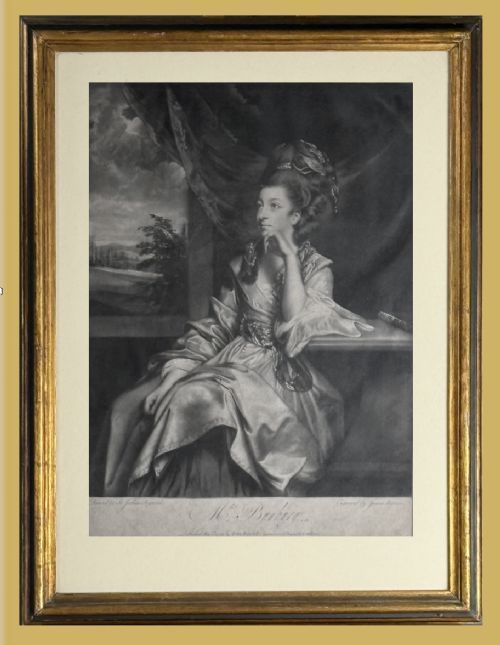
Antique Engraved Artwork
When you collect antique engraved artwork, you acquire printed plates and marks on paper that capture centuries of portraiture, animals, and classical scenes.
Antique Engraved Artwork
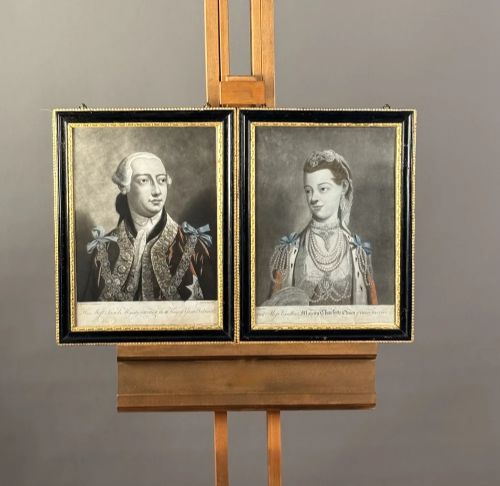
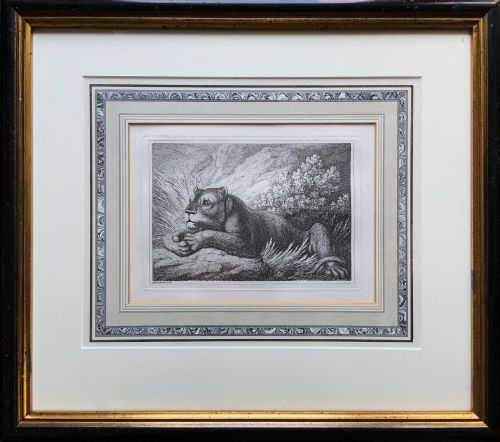
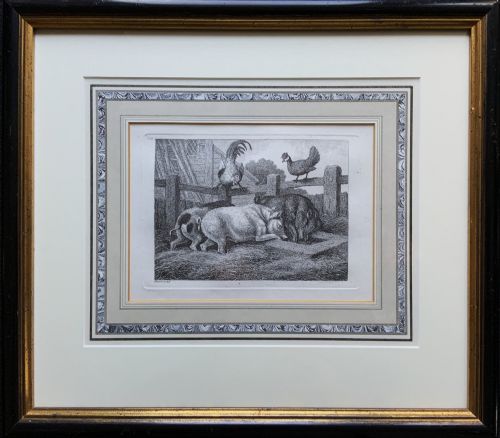
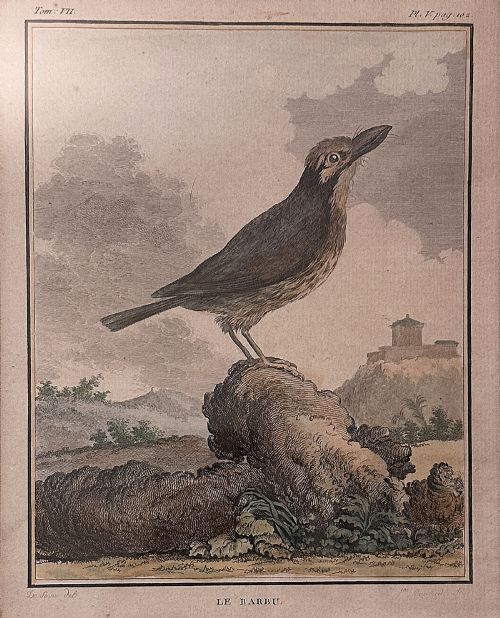
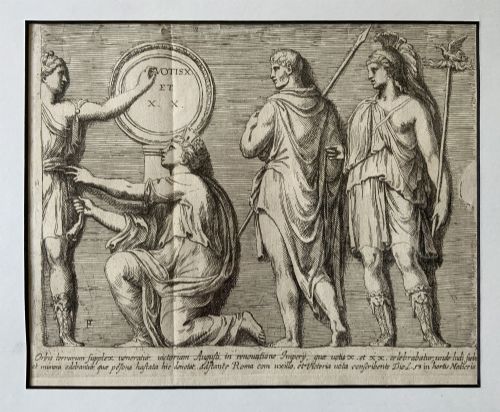
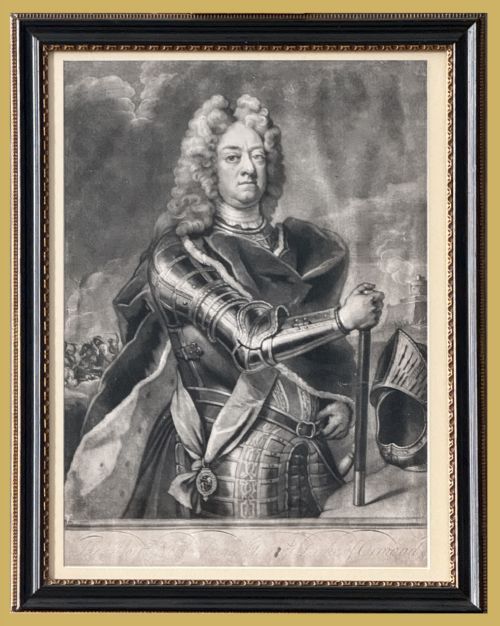
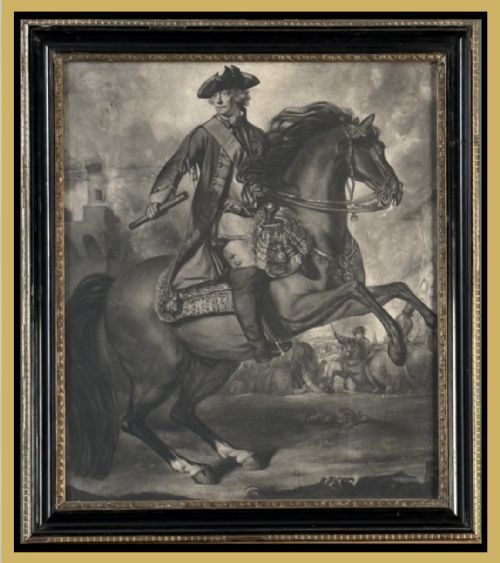
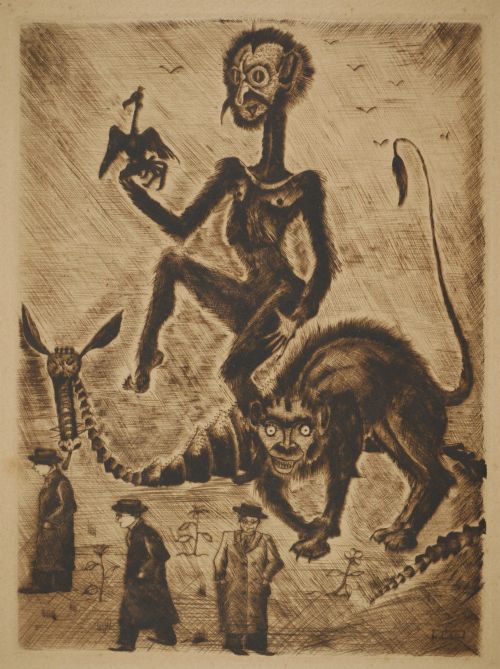
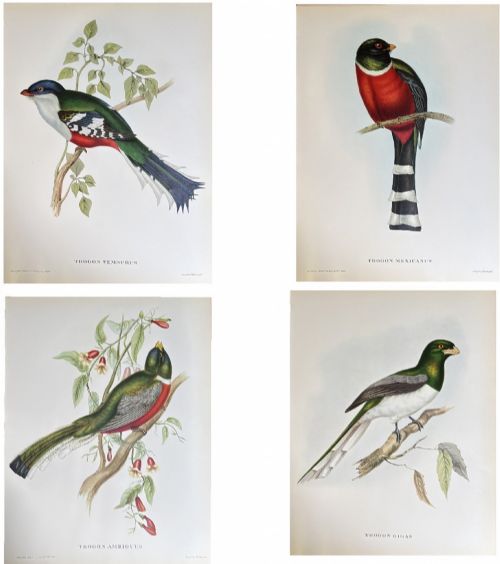
When searching for antique engraved artwork, buyers encounter framed prints, wall art, and sheet prints spanning from the seventeenth century through to the mid-twentieth century. The selection ranges from eighteenth-century mezzotint portraits and classical etchings to nineteenth-century bird studies and twentieth-century animal drypoints.
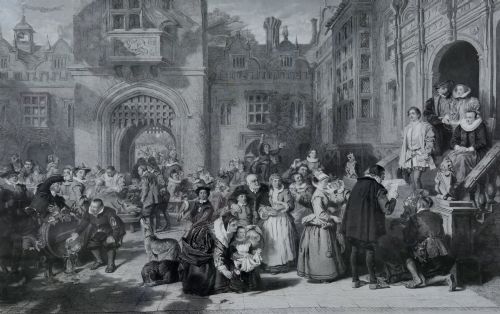
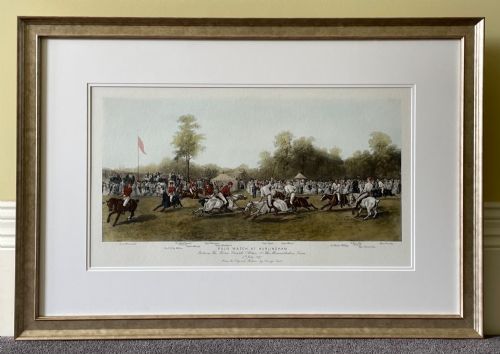
The pieces on this page appear in various forms, including individual framed works, sets of tropical birds, and anatomical illustrations. Portraiture and historical scenes dominate the earlier centuries, while later items introduce landscapes, sporting scenes, and surreal prints.
How They Were Made
These works rely fundamentally on paper surfaces combined with ink applied through various intaglio and relief printing techniques, including etching, engraving, mezzotint, and stipple work. Makers transferred compositions onto plates before printing them onto paper sheets.
Many of these pieces are housed in period surrounds such as original Hogarth frames, oak frames, and giltwood mouldings, sometimes utilising gold leaf accents to complement the printed artwork.
Listings span centuries from the 17th century to the 1950s, utilising paper, ink, and gilt wood.
What Varies in Quality
The distinction between tiers of these works rests upon the clarity of the plate impression and the historical significance of the printmaker and the painter whose work was copied. Early pulls from copper plates deliver crisp lines and deep tonal gradations in mezzotints, whereas worn plates yield softened details.
The integrity of the original framing, such as period gilt wood or Hogarth mouldings, alongside the preservation state of the paper itself, defines the standing of an individual piece within its period.
Samuel Howitt·François Perrier·John Simon·Edward Fisher·John Smith·James Watson·Herbert Dicksee·James Heath·Thomas Watson·Kurt Meyer Eberhardt·John Faber Jr·Valentine Green·James MacArdell
The Antique Engraved Artwork Glossary
- Engraving
- An intaglio printing process where an artist cuts lines directly into a metal plate using a sharp tool called a burin. This technique produces crisp, clean lines that hold up well across multiple impressions.
- Mezzotint
- A tonal method of engraving where the metal plate is roughened uniformly to produce rich dark areas and subtle gradations of light. It became the dominant medium for reproducing portraits in the eighteenth century.
- Etching
- A process where lines are bitten into a metal plate with acid rather than carved physically with a tool. This allows for fluid, expressive strokes akin to drawing.
- Stipple engraving
- A technique utilising dots of varying density to create soft tonal effects and flesh tones. It gained immense popularity during the eighteenth century for sentimental and allegorical subjects.
- Drypoint
- A printmaking method where a sharp needle scratches directly into the metal plate, raising a delicate ridge of metal called burr. This burr catches the ink to produce velvety, rich lines that soften gently over successive printings.
Antique Engraved Artwork: Frequently Asked Questions
How should I hang antique engravings?
Keep works on paper away from direct sunlight to prevent the ink and paper stock from fading over time. Maintain stable room temperatures to protect both the antique frames and the paper.
Use picture hooks rated for the weight of the frame, ensuring the piece hangs securely against the wall without straining the original mitres or moulding joints.
What is a mezzotint portrait?
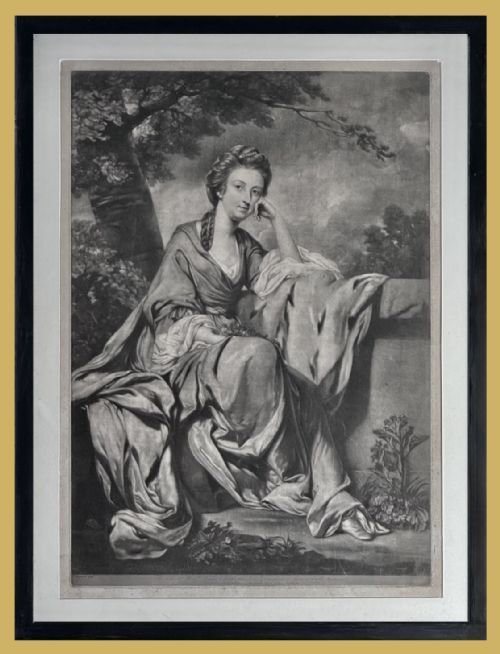
A mezzotint is an intricate printmaking method designed to capture rich shadows and smooth tonal transitions without relying on traditional line work. Makers roughened the copper plate completely before scraping away areas to create light.
These prints frequently reproduced famous paintings by artists such as Sir Joshua Reynolds, preserving grand portraits of nobility and historical figures for collectors.
How do I identify eighteenth century prints?
Examine the paper stock for watermark patterns and chain lines characteristic of hand-moulded paper from the period. The typography used for sitter names and publication lines often points directly to eighteenth-century conventions.
Check the printing technique against the recorded styles of the era, noting the prevalence of mezzotints and stipple engravings alongside specific publishing dates.
Are these pieces framed originally?
Some works retain their period surrounds, such as seventeenth-century style or nineteenth-century Hogarth frames, while others are found in later oak or giltwood mouldings applied during subsequent centuries.
Original frames enhance the historical context of the artwork, though many prints were re-framed over their long lifespans to suit changing domestic interiors.