


Antique English Street Painting
When you search for an antique English street painting, you meet watercolours, oils and townscapes capturing local life.
Antique English Street Painting
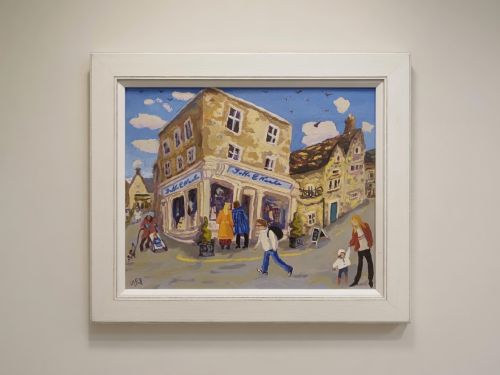
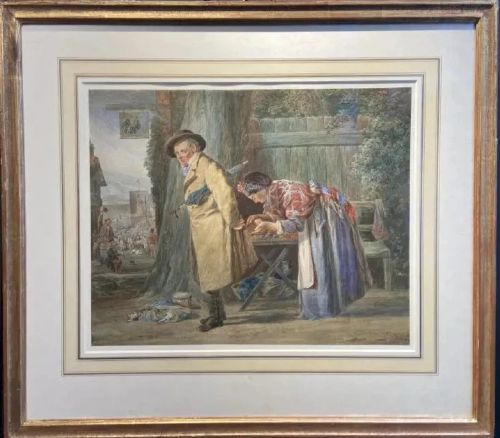
An antique English street painting records townscapes, village markets and historic thoroughfares across the country, often drawn from places such as York, Whitby and London. These works capture specific streets, inns and daily scenes using watercolour on paper or oil on canvas.
The versions most common on this page date from the nineteenth century through to the early decades of the twentieth century, encompassing Victorian, Edwardian and British Impressionism styles. They frequently depict named locations, providing a visual record of changing architecture and public life.
Materials and techniques
Artists relied primarily on watercolour on paper or oil on canvas to construct these street scenes, frequently framing the finished works behind glass within wood surrounds. Paper supports often show age-related toning that matches the period of creation.
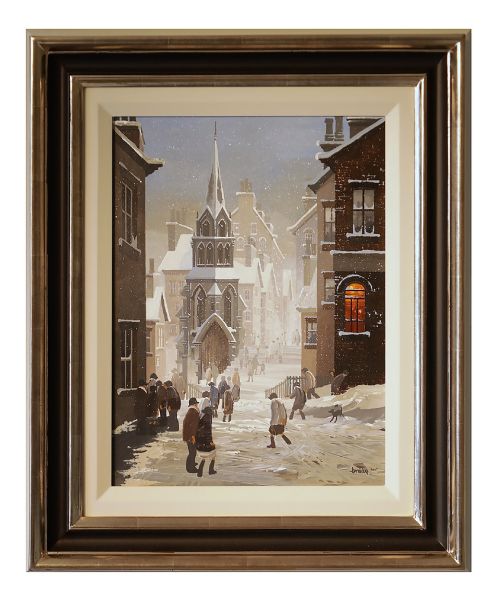
Pigments were applied with careful brushwork to delineate stonework houses, market places and atmospheric weather conditions like snow. Many examples retain artist signatures, dates or inscriptions identifying specific northern and southern streets.
Listings feature watercolours and oils produced across the nineteenth and early twentieth centuries, capturing named English streets and village scenes.
Factors that distinguish quality
Quality rests in the precision of architectural perspective and the handling of light within the streetscape, separating hurried sketches from accomplished townscape compositions. Stronger works convey a distinct sense of place and human activity rather than generic facades.
Condition of the paper or canvas also dictates standing, with well-preserved colour and minimal fading retaining the visual impact intended by the artist. Original framing and clear contemporary inscriptions regarding the location add substantive interest for collectors.
Charles Vyse·George Whyatt·Frederick William Booty·Rowland Henry Hill·Alfred Leyman
The Antique English Street Painting Glossary
- Watercolour painting
- A work executed with water-soluble pigments on paper support. These pieces dominate the townscape category.
- Oil painting
- An artwork created using pigments suspended in a drying oil, typically applied to canvas. This medium offers richer texture than works on paper.
- Townscape
- A genre of art depicting buildings, streets and public spaces in an urban environment. These views often document historic English localities.
- British Impressionism
- An art style characterised by visible brushstrokes and an emphasis on light and everyday subjects. It emerged strongly in the late nineteenth and early twentieth centuries.
- Folk art
- Self-taught artistic production that prioritises direct expression over academic convention. Such pieces often display a charmingly primitive approach to perspective.
Antique English Street Painting: Frequently Asked Questions
What periods do these street paintings come from?
The works span the nineteenth century through the early twentieth century, taking in Victorian and Edwardian eras. Painters during these decades recorded both rural villages and bustling urban thoroughfares.
Dates often appear in signatures or contemporary inscriptions on the reverse of the paper or stretcher frames, helping to anchor the piece within a specific historical moment.
Where were these townscapes usually painted?
Artists travelled to specific English locations such as York, Whitby, London and various regional villages to capture local architecture and street life. Inscriptions frequently name the exact street, inn or market place.
This topographical detail provides a clear historical record of how these public spaces appeared during the Georgian, Victorian or Edwardian periods.
How should I care for a watercolour street painting?
Works on paper require protection from direct sunlight to prevent the watercolours from fading over time. Glazing helps shield the delicate pigment and paper support from atmospheric pollutants and moisture.
Positioning the framed artwork away from damp walls and extreme temperature fluctuations ensures the long-term stability of both the painting and its backing.
How do I identify a Victorian street painting?
Stylistic cues such as realistic depiction of Victorian dress, building styles and framing methods point towards the nineteenth-century origins of the piece. Many bear period handwriting identifying the street or date.
Signatures combined with known working dates of artists from the era help confirm whether a work belongs to the nineteenth or early twentieth century.