
Antique English Seating
Antique English seating spans robust country furniture and formal mahogany dining chairs crafted across centuries.
Antique English Seating
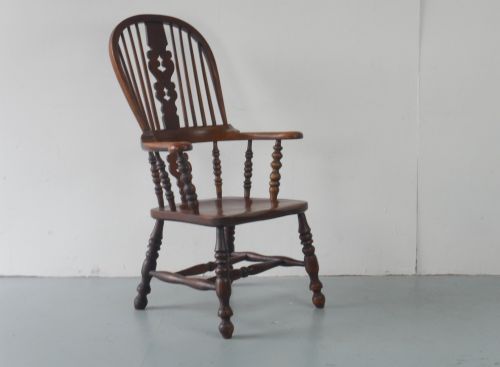
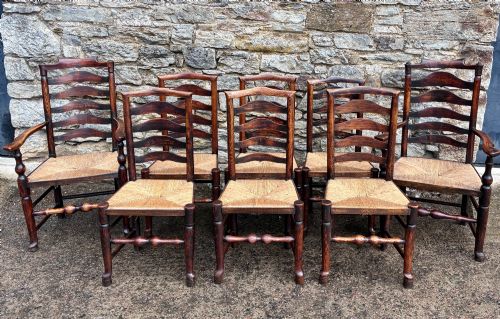
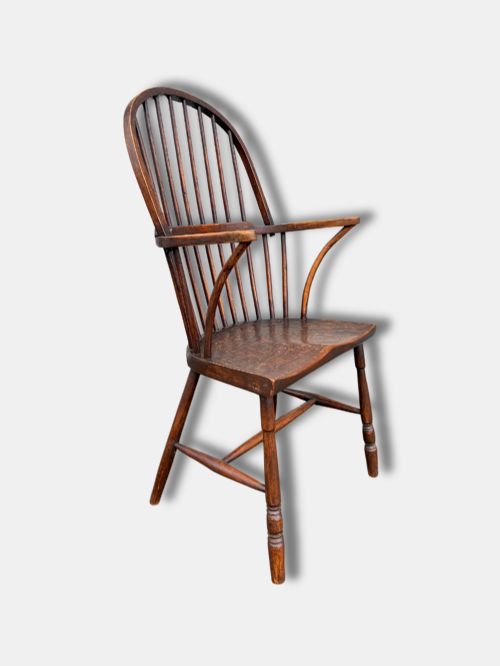
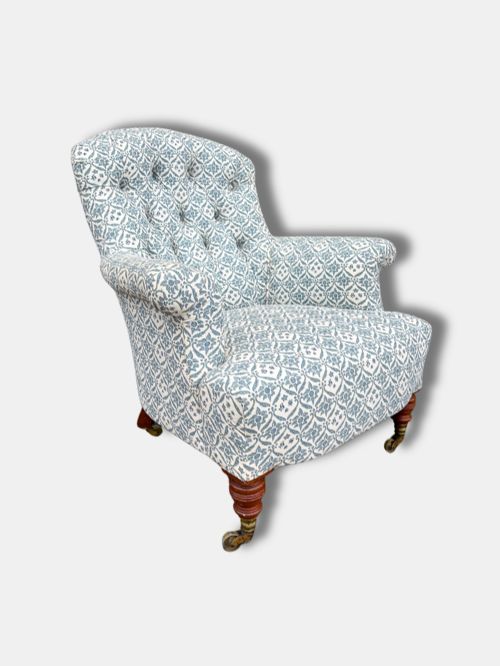
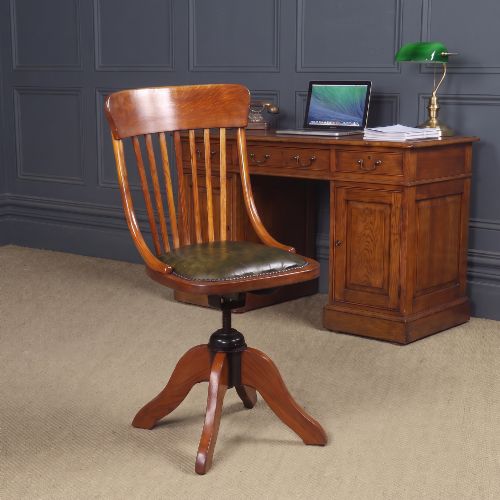
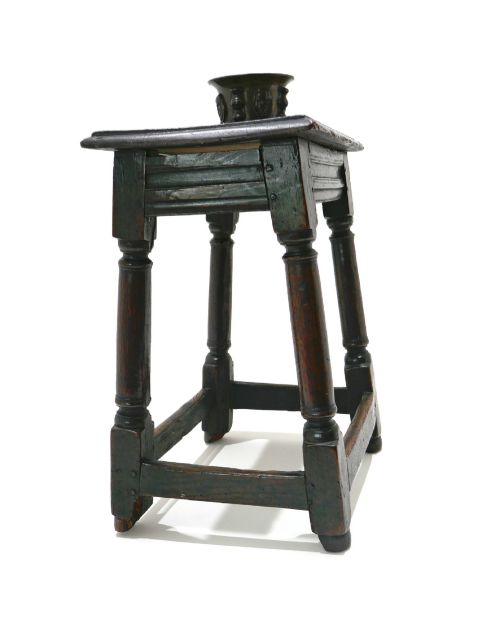
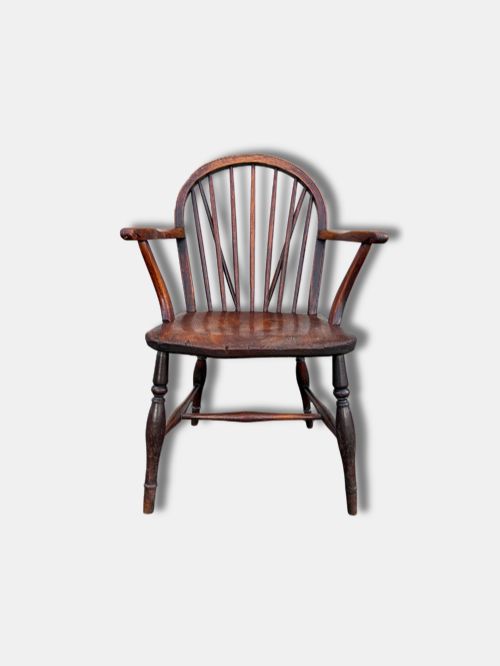
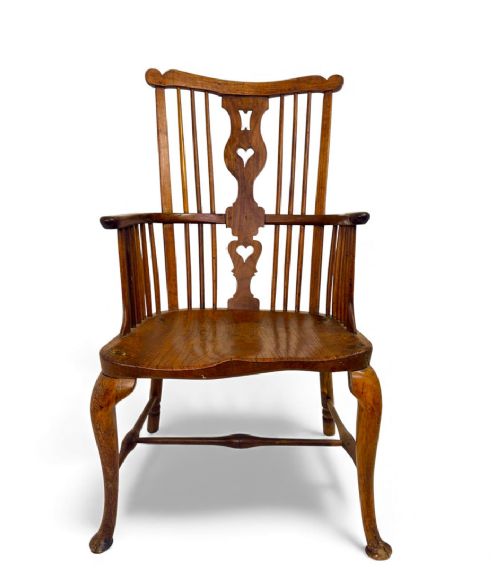
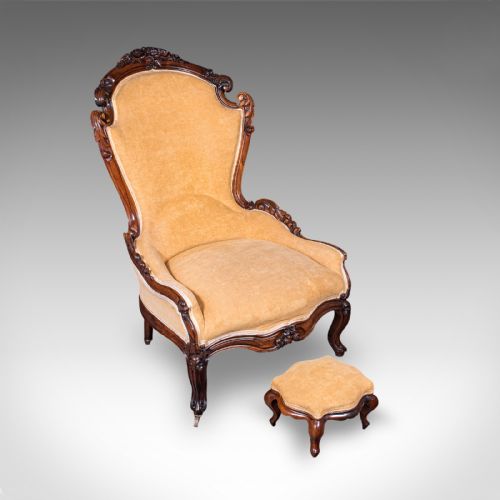
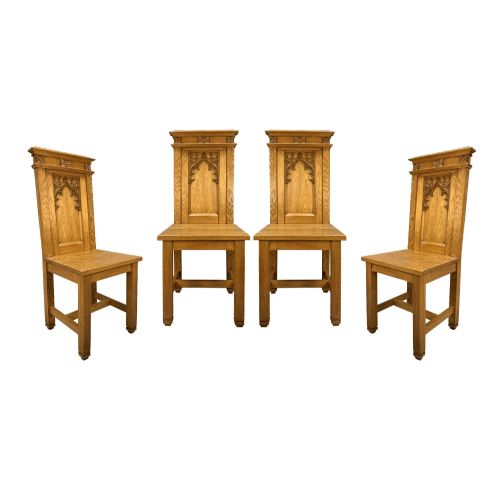
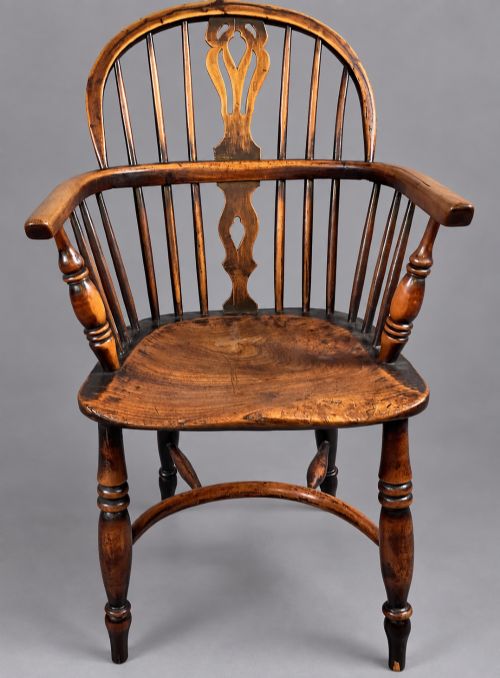
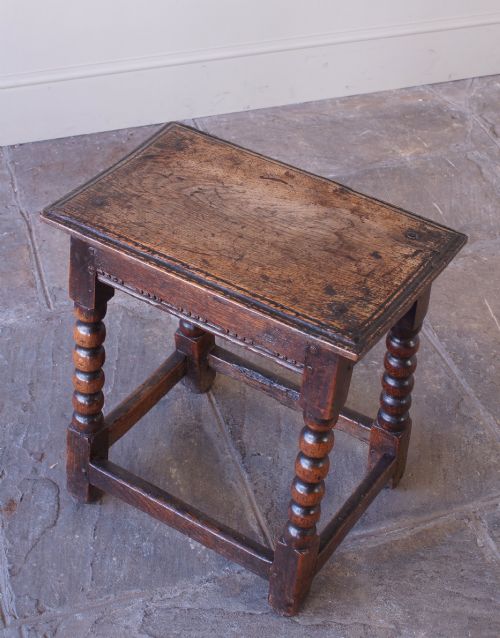
Antique English seating encompasses everything from humble elm kitchen chairs and rush-seated armchairs to formal mahogany dining sets and upholstered Chesterfield sofas. Buyers seeking these pieces encounter a diverse range of forms including Windsor armchairs, oak hall chairs, joint stools, and garden benches.
The selection ranges across periods from the 18th century through the Victorian and Edwardian eras into the early 20th century. Regional country pieces sit alongside refined urban furniture reflecting styles such as Regency, Gothic Revival, and Arts and Crafts.
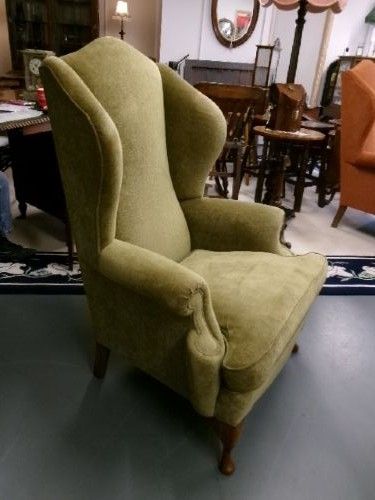
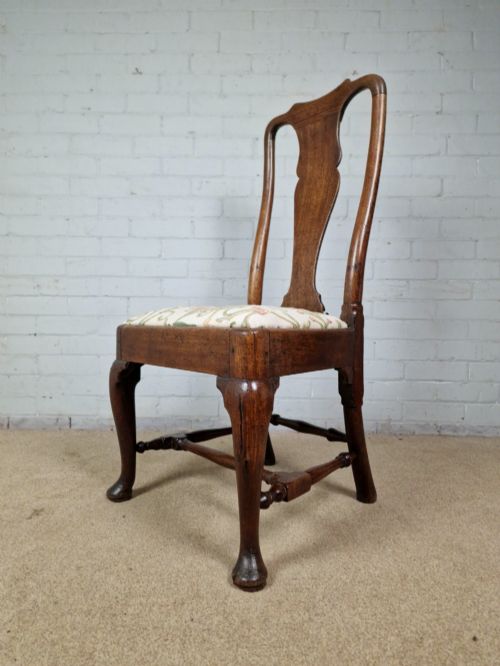
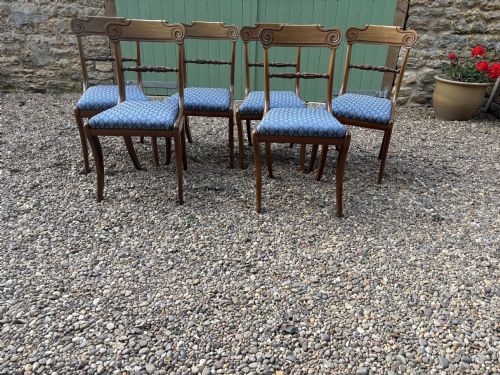
Most frequent are chairs and stools designed for dining rooms, kitchens, and halls, alongside larger seating options like settees and benches. Woods like oak, elm, ash, and mahogany dominate the offerings, often complemented by rush or fabric upholstery.
Materials and construction
Cabinetmakers and country joiners utilised native hardwoods such as oak, elm, ash, beech, and yew alongside imported mahogany. Country pieces often combined timbers, pairing elm seats with ash spindles or beech frames.
Traditional construction methods relied on mortise and tenon joints, steam bending for Windsor chair bows, and Windsor-style socket construction where legs and spindles pierce the seat slab.
Pub and tavern stools appear alongside grand library armchairs, proving past generations appreciated a sturdy seat with their ale.
Variations in quality
Quality rests in the integrity of the timber selection and the retention of original surfaces, such as deep patination on country oak and elm. Finer formal dining chairs exhibit crisp carving and precise joinery.
The presence of maker attribution, original hardware, and untouched structural joins elevates certain pieces above standard vernacular examples.
HOWARD AND SONS·William Morris·Maple and Co·Philip Clissett·Gillows
The Antique English Seating Glossary
- Windsor chair
- A chair built with a solid wooden seat into which the legs and back spindles are dowelled directly. These traditional country seats often feature elm saddle seats and ash or yew bows.
- Joint stool
- A sturdy wooden stool constructed with mortise and tenon joinery using wooden pegs. These early forms served multiple household purposes before dedicated chairs became common.
- Carver
- An armchair, typically designed to sit at the head of a dining table. They frequently match a set of smaller side chairs.
- Settle
- A high-backed wooden bench with solid arms and a storage box beneath the seat. They shielded occupants from draughts in vernacular interiors.
- Patina
- The surface sheen and colour developed by wood over decades of handling, polishing, and ageing. A good patina indicates untouched historical age.
Antique English Seating: Frequently Asked Questions
How do I date an antique Windsor chair?
Dating relies upon timber choice, construction complexity, and the shaping of the seat. Earlier examples tend to use native yew and ash with deeply sculpted elm seats.
Later Victorian and Edwardian iterations often display simpler turned components and standardised factory assembly methods.
Can I use antique dining chairs daily?
Most solid wood dining chairs from the Georgian and Victorian periods remain robust enough for regular daily use. Proper timber construction handles everyday sitting provided joints remain tight.
Upholstered pieces may require inspection of internal webbing and stuffing before heavy use.
What is the difference between an elm and mahogany chair?
Elm typically appears in country vernacular seating like Windsor chairs and kitchen stools, valued for its tough, interlocked grain that resists splitting. Mahogany belongs to formal urban dining furniture.
Mahogany allowed cabinetmakers to execute sharp carved details like Chippendale style splats during the Georgian era.
How do I care for antique wood seating?
Keep wooden seating away from direct heat sources and radical humidity shifts to prevent timber shrinkage and cracking. Periodic application of appropriate wax feeds the grain.
Avoid modern silicone polishes that build up residue and dull the historic patina.