

Antique English Painting
When you want an antique english painting for your wall, you find portraits, landscapes, and rural scenes that capture centuries of domestic history.
Antique English Painting
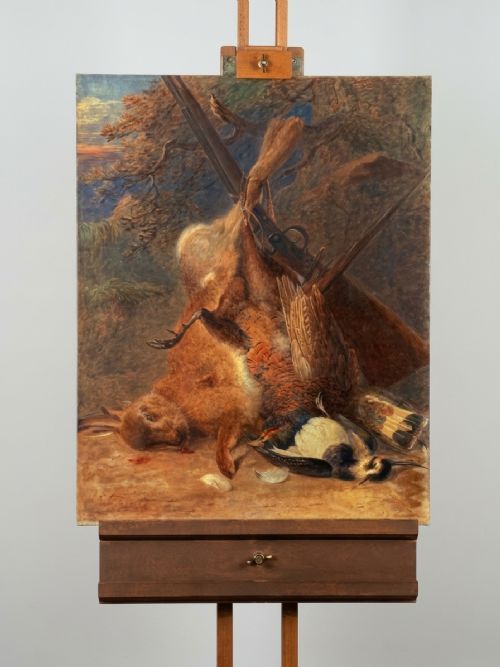
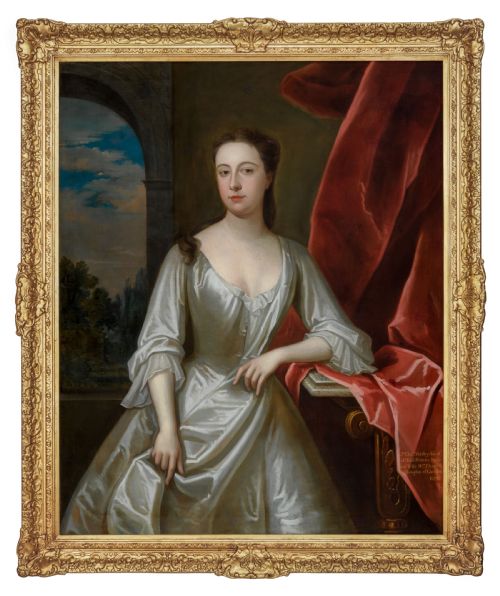
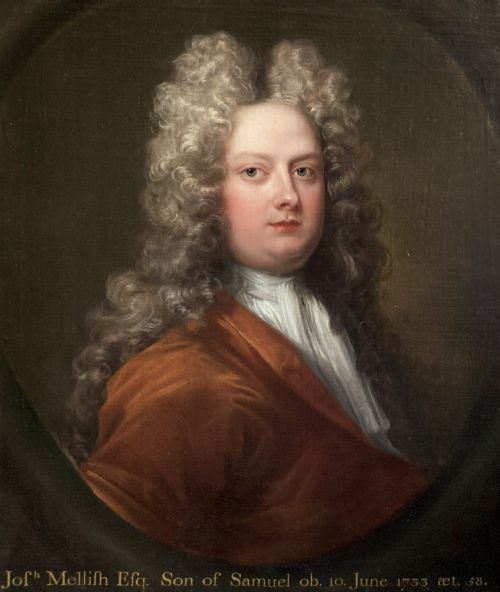
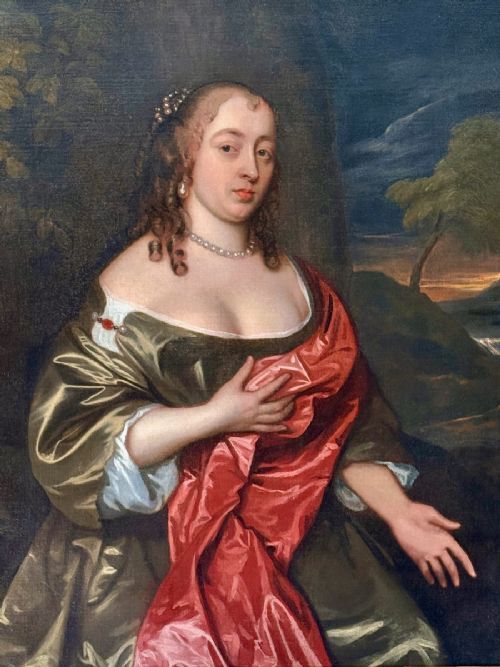
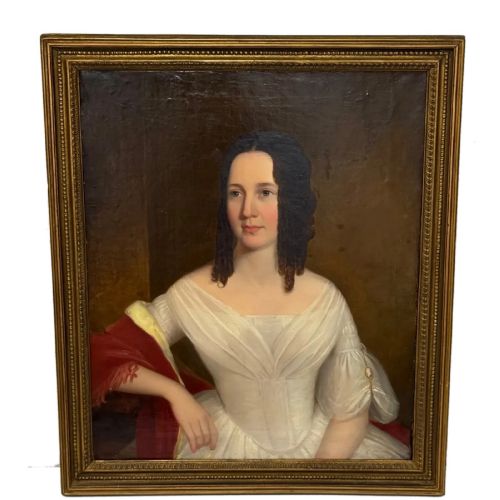
An antique english painting encompasses centuries of visual heritage, ranging from formal portraits of nobility to pastoral watercolours and lively coastal scenes. When exploring this selection, buyers encounter works executed by named artists, regional schools, and anonymous hands working across the seventeenth, eighteenth, and nineteenth centuries.
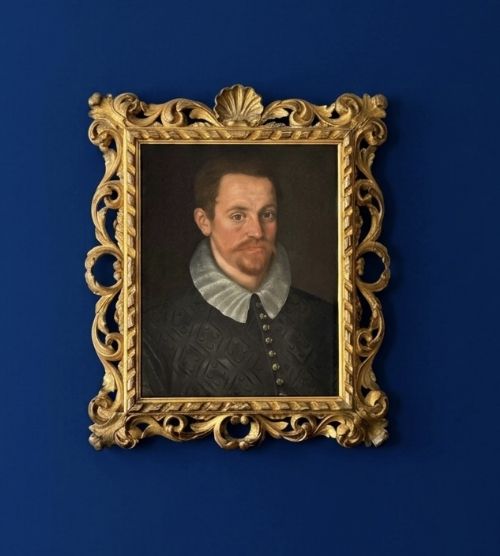
The subjects reflect the changing tastes of British patrons, moving from dark, stiffly rendered seventeenth-century doublets to expansive Georgian landscapes and atmospheric Victorian watercolours. Portraits on canvas sit alongside panel paintings and works on paper, demonstrating the diverse formats favoured by historical sitters and commissioners.
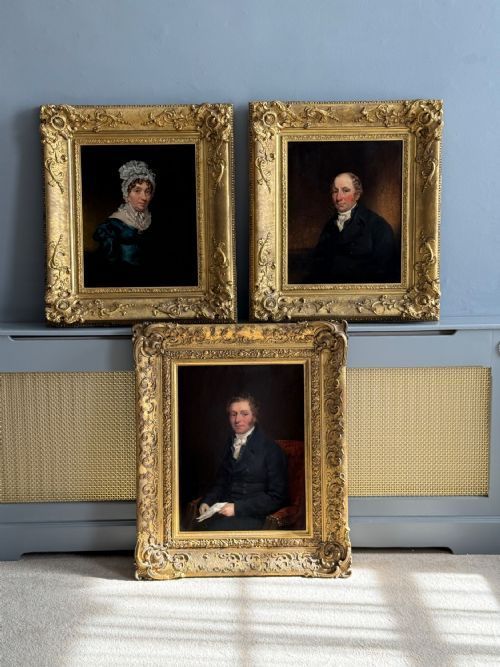
Many surviving pieces preserve specific local topographies, architectural landmarks, and rural pastimes that document bygone eras with direct observation. Whether selecting a grand oil portrait in its original gilt frame or a delicate watercolour sketch of a river valley, collectors acquire tangible fragments of historical visual culture.
What Varies In Quality
The technical skill of the brushwork and the anatomical accuracy of figurative elements separate standard workshop productions from the most accomplished masterworks. Superior paintings demonstrate confident handling of light, shadow, and texture, particularly in the rendering of textiles, facial expressions, and atmospheric sky effects.
Condition and originality heavily influence the standing of a piece, specifically the survival of the original pigment layers without extensive modern overpainting or stabilization. The presence of period-appropriate framing and documented provenance connecting the artwork to specific sitters or collections elevates its historical weight.
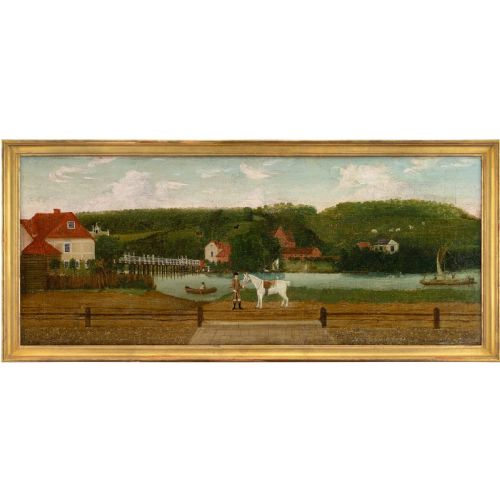
Several portraits preserve the exact startled expressions of gentlemen posing alongside their horses before sprawling riverside estates.
Sir William Beechey·Joseph Clover·Charles Jervas·John Hayls·Bernard Hailstone·James Orrock·Alfred Young Nutt·Arthur Wardle·George Sydney Shepherd
The Antique English Painting Glossary
- Oil on canvas
- A technique where pigment mixed with drying oil is applied to a woven fabric support stretched over a wooden frame. This method allowed artists to achieve rich tonal gradations and durable surfaces.
- Bodycolour
- An opaque watercolour paint created by adding white pigment to gum-water mixtures, producing solid passages of colour alongside translucent washes. It was frequently utilised in nineteenth-century works for heightened visual impact.
- Panel painting
- A rigid support constructed from wood, commonly used during earlier centuries before canvas became the dominant substrate for portable artworks. Oak and other native timbers provided smooth surfaces for detailed brushwork.
- Giltwood
- Wood carved and coated with a thin layer of gold leaf, forming ornate decorative frames designed to complement and protect paintings. These surrounds are often contemporaneous with the artworks they enclose.
- Provenance
- The documented history of ownership, exhibition, and origin attached to a work of art, establishing its authenticity and lineage. Clear records connect a piece directly to past collections or families.
Antique English Painting: Frequently Asked Questions
How do I date an antique painting?
Dating relies on stylistic evidence, costume details, the preparation of the canvas or panel, and any inscribed signatures or dates on the reverse. Examining the framing materials and stretcher construction provides further clues to the period of creation.
Comparing brushwork techniques and known artist working dates helps narrow the timeline. Archival records and documented provenance often confirm the exact decade of execution.
Where should I hang an oil painting?
Hang oil paintings away from direct sunlight and fluctuating heat sources to prevent cracking of the paint layer and warping of the wooden stretcher or panel. Stable indoor humidity preserves both the canvas and the historical frame.
Ensure the wall fixings can support the weight, particularly for large works framed in heavy giltwood. Position the centre of the canvas at average eye level for optimal viewing.
What is the difference between oil and watercolour?
Oils utilise slow-drying pigmented plant oils on canvas or wood, allowing artists to rework surfaces and build rich, opaque layers of colour. Watercolours use water-soluble pigments on paper, creating luminous, transparent effects through washes.
Oils generally require sturdy frames and protective backing boards rather than glass. Watercolours need conservation-grade framing under glass to protect the vulnerable paper surface from atmospheric moisture.