


Antique English Ottoman
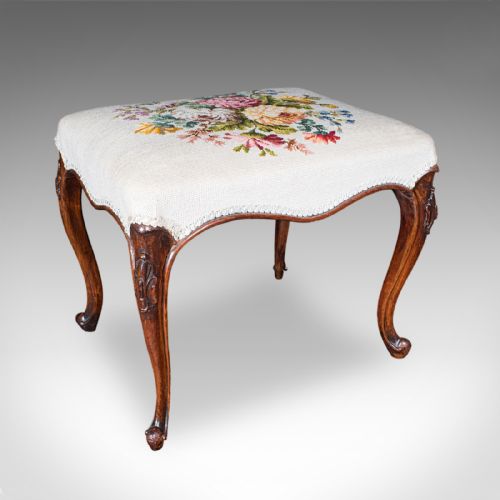
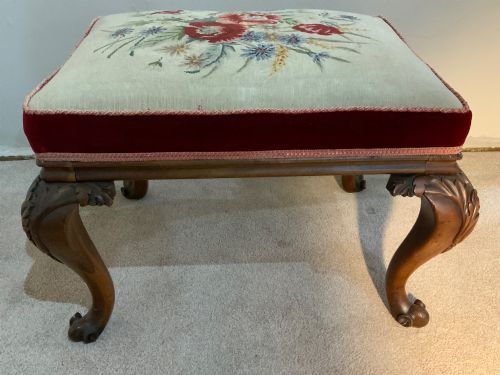
When you search for an antique English ottoman, you find upholstered seating and lidded storage pieces ranging from Victorian walnut boxes to Edwardian footstools.
Antique English Ottoman
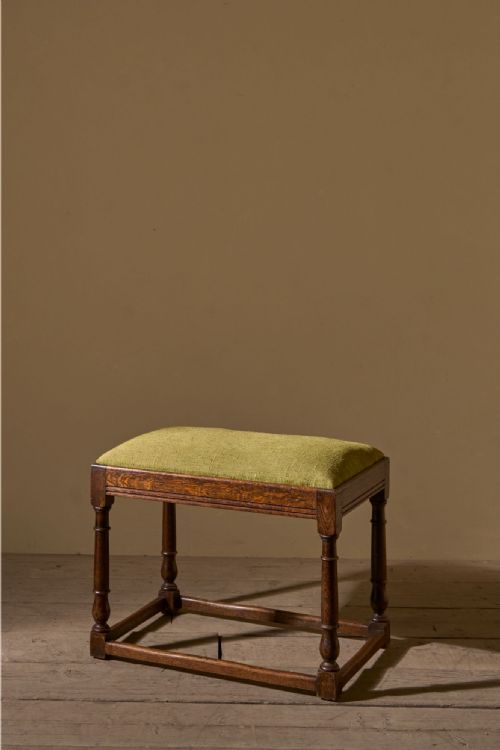
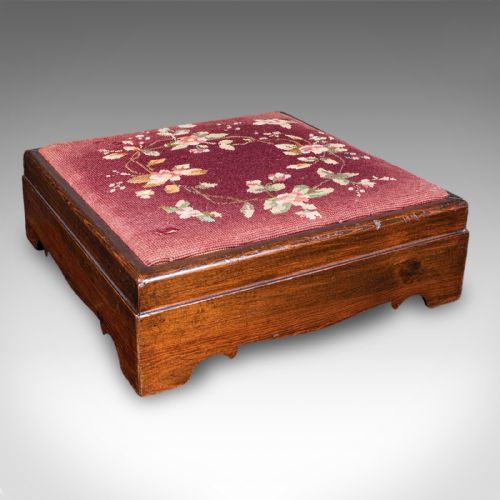
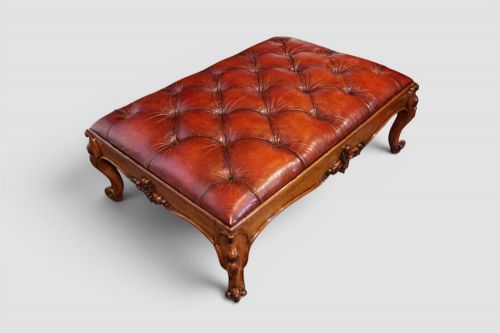
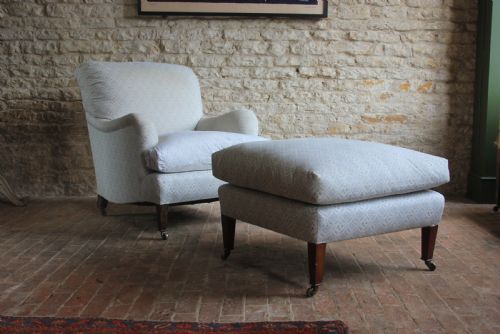
An antique English ottoman encompasses various forms of low seating and storage furniture, including box stools, footstools, window seats, and daybeds. The listings here frequently feature Victorian and Edwardian examples alongside earlier Georgian blanket chests adapted for seating.
Many pieces double as lidded storage trunks designed for blankets, needlework, or music sheets, while others function purely as fireside footstools, gout stools, or dressing table seats. Timber frames support upholstered tops in leather, needlepoint, tapestry, or heavy linen.
Origins trace across the nineteenth and early twentieth centuries, spanning simple oak and pitch pine country house furnishings to sophisticated mahogany and walnut creations featuring brass castors or turned legs.
Factors determining the grade of a piece
The choice of primary timber and secondary framing woods heavily influences the standard of an ottoman, with dense, figured walnut and solid mahogany commanding greater regard than softer pine. The crispness of carved details, such as cabriole legs or wooden mouldings, reveals the maker's proficiency.
The integrity and complexity of the upholstery work also dictate value, particularly where hand-dyed leathers, intricate needlepoint, or specialised crewel work remain intact. Internal box mechanisms, hinges, and lining materials show whether a workshop produced a utilitarian item or a high-end salon piece.
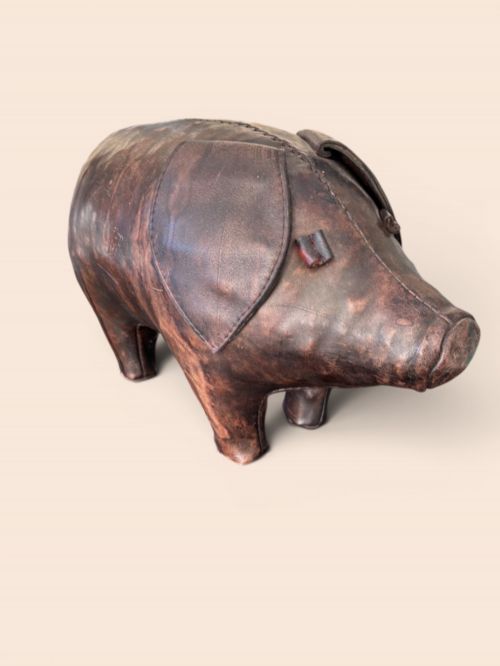
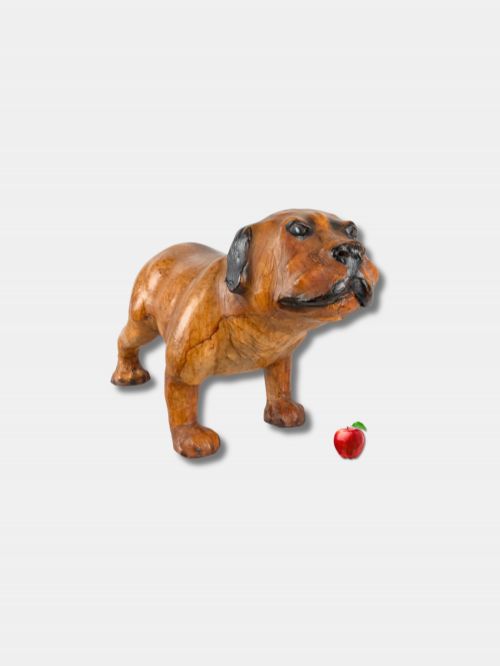
Leather dog footstools by Omersa for Liberty bring a whimsical canine presence to Edwardian firesides.
Howard and Sons·James Shoolbred·Omersa For Liberty
The Antique English Ottoman Glossary
- Ottoman
- A low upholstered seat or bench, frequently featuring a hinged lid that opens to reveal a storage compartment for blankets or textiles. These pieces often doubled as footrests or dressing stools in nineteenth-century homes.
- Needlepoint
- A type of canvas work embroidery executed with wool yarn, commonly utilised for the durable upper upholstery of Victorian footstools and fireside seats. Geometric and floral motifs dominate these decorative surfaces.
- Gout stool
- A specialised nineteenth-century footrest featuring an adjustable inclined top designed to elevate and support the foot of a person suffering from joint pain. They frequently utilise walnut frames and padded velvet or leather surfaces.
- Canterbury
- A compartmentalized low stand or box originally designed for holding sheet music or books, occasionally integrated into the design of Victorian piano stools and multi-functional ottomans.
- Crewel work
- A traditional form of surface embroidery using wool yarn on a heavy linen or twill ground, frequently seen on the hinged lids of Victorian box ottomans.
Antique English Ottoman: Frequently Asked Questions
What is the difference between a footstool and an ottoman?
A footstool is typically a compact, open-framed support for the feet, whereas an ottoman generally incorporates a larger upholstered surface and often conceals an internal storage trunk beneath a hinged lid.
While both share similar Victorian and Edwardian timber frames, the ottoman functions primarily as multi-use furniture for seating and stowing household textiles.
How do I date a Victorian box ottoman?
Dating relies on examining the secondary timbers inside the storage compartment, the style of the turned mahogany or walnut legs, and the nature of the upholstery nails or brass hinges.
Mid-nineteenth-century examples often feature concave sides and hand-dyed leather, while later Edwardian variants display lighter mahogany frames and different textile choices.
Were these pieces used for storage originally?
Many nineteenth-century examples served dual purposes as window seats, dressing stools, and blanket chests, keeping bedlinens or sewing supplies out of sight.
Lidded trunk forms allowed households to maximise space in smaller rooms without sacrificing comfortable seating near the fireplace.
How should I care for antique leather upholstery?
Maintain antique leather by applying suitable conservation waxes or balms sparingly to keep the hide supple and prevent cracking over time.
Keep these pieces away from direct sunlight and strong heat sources to preserve the original dye and structural integrity of the natural material.