

Antique English Lounge Chair
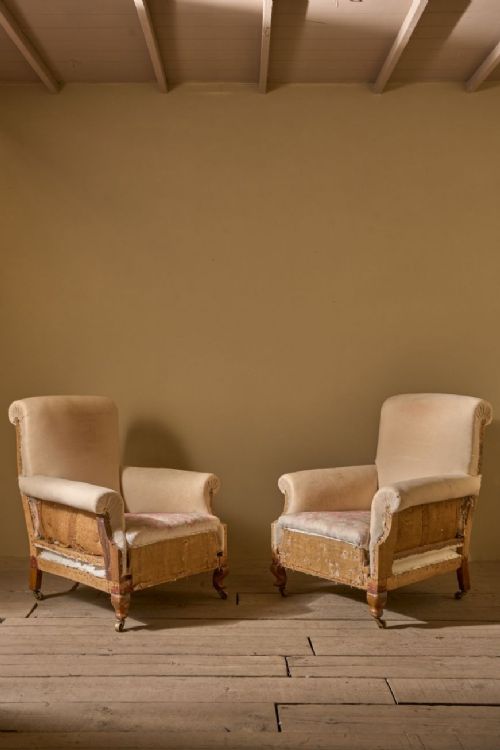
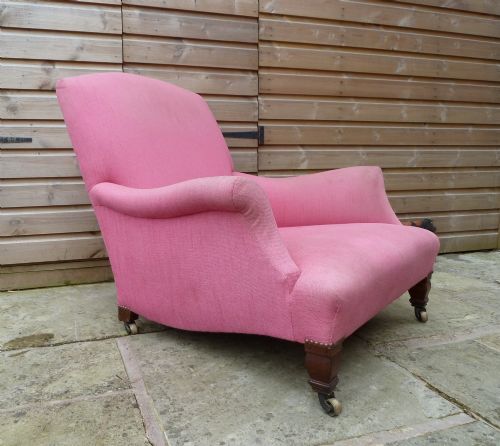
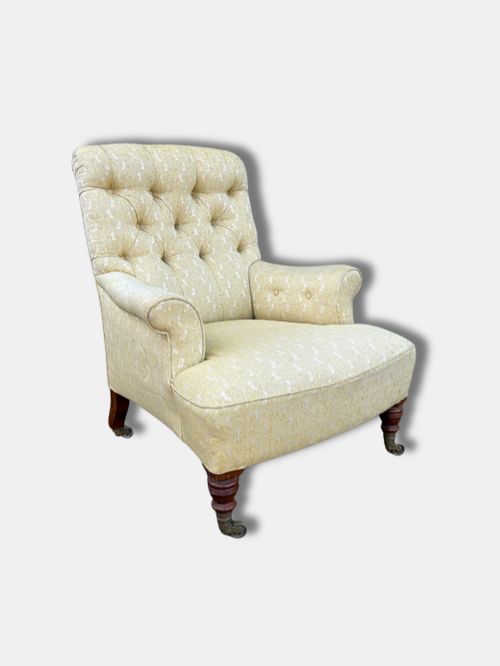
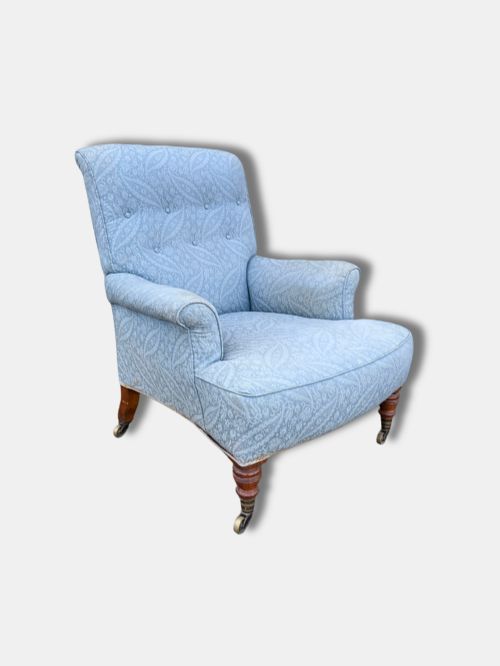
An antique english lounge chair brings deep-seated comfort and enduring craftsmanship to a room, ranging from button-backed Victorian designs to low-slung club seats.
Antique English Lounge Chair
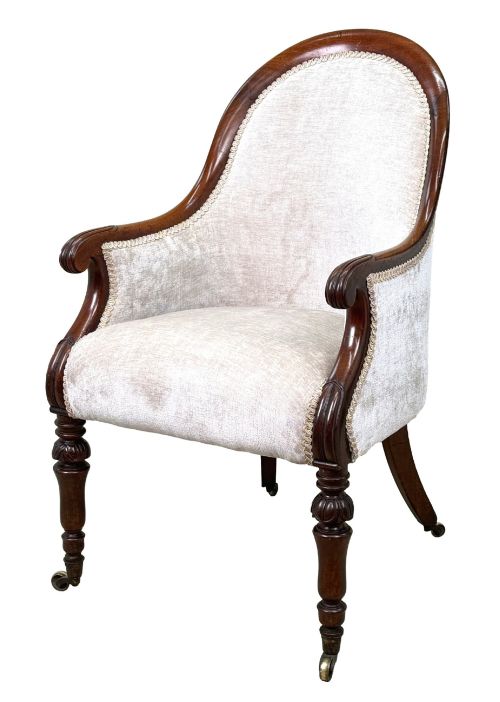
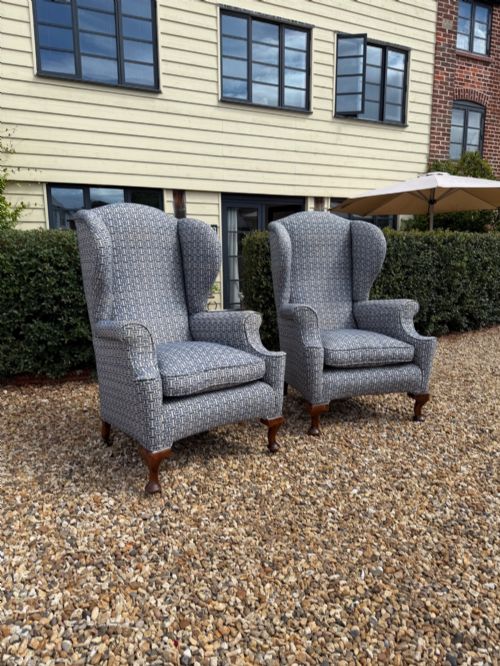
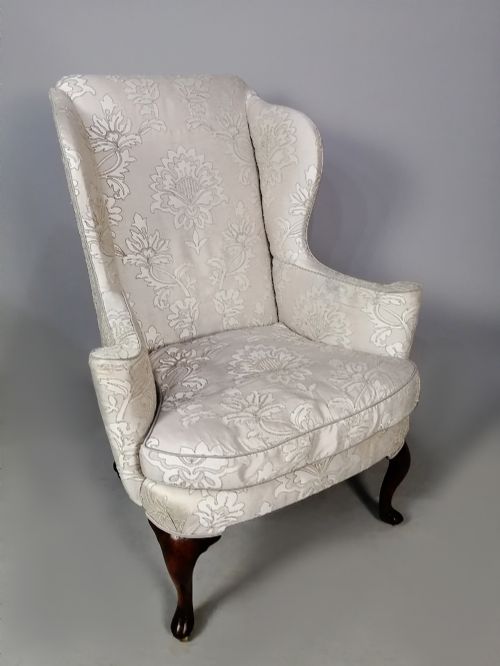
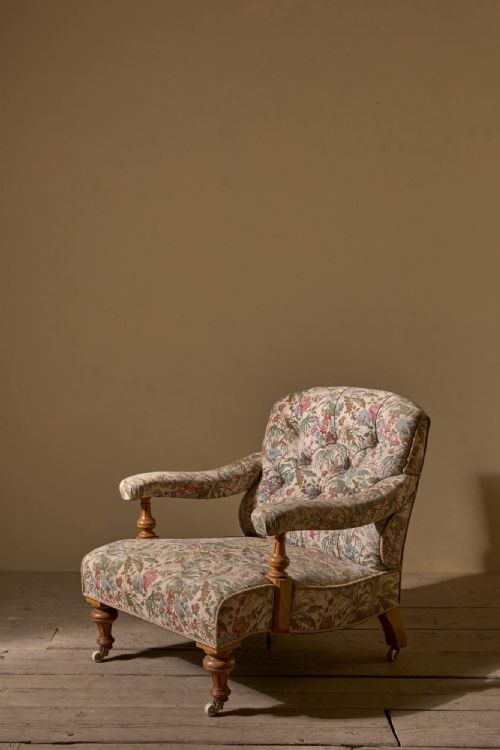
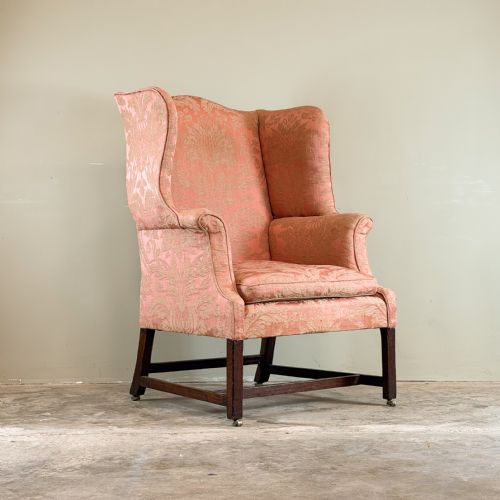
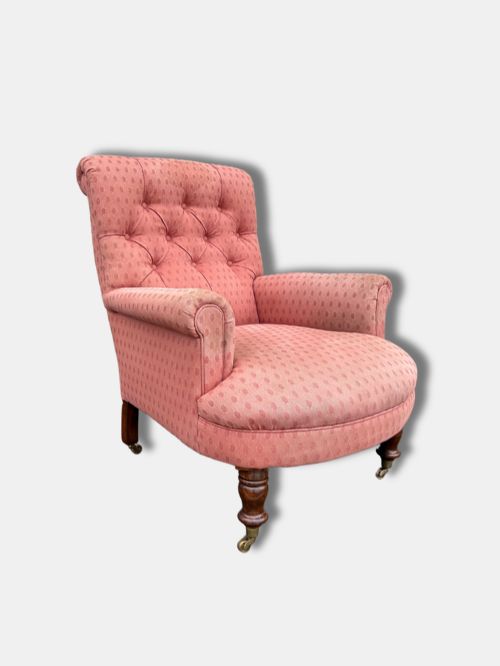
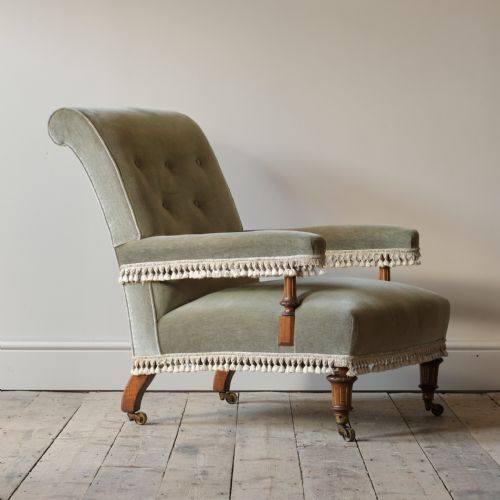
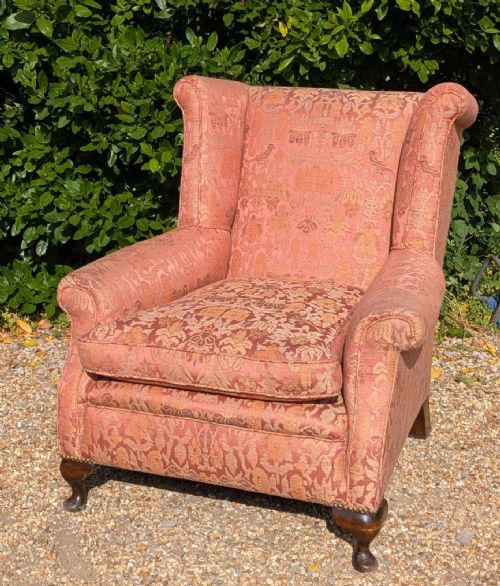
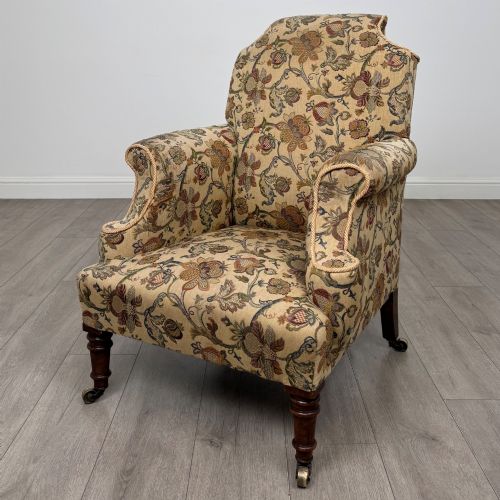
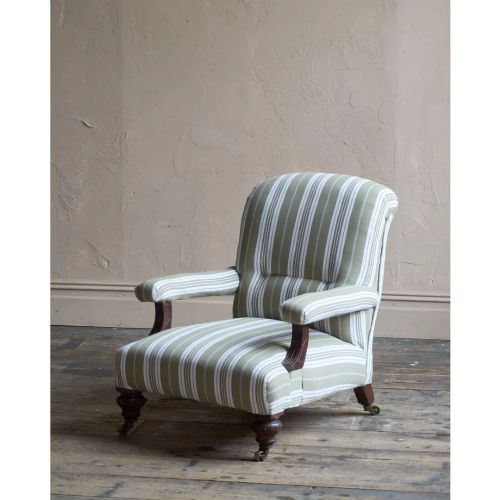
When buyers search for an antique english lounge chair, they encounter a diverse selection of seating forms spanning the nineteenth and early twentieth centuries. These pieces encompass upholstered armchairs, deep club seats, wingbacks, and library chairs designed primarily for domestic relaxation in country houses and parlours.
The most common examples on this page date from the Victorian and Edwardian eras, frequently showing the deep proportions and low profiles typical of nineteenth-century comfort seating. Makers such as Howard and Sons heavily influence the surviving selection, alongside country house styles defined by generous squab cushions and supportive sprung backs.
Beyond standard armchairs, related forms like chaises longues, daybeds, and tub chairs appear within the broader category of English lounge seating. These variations utilise traditional framing and upholstery methods suited to extended periods of sitting or reclining.
Materials and construction
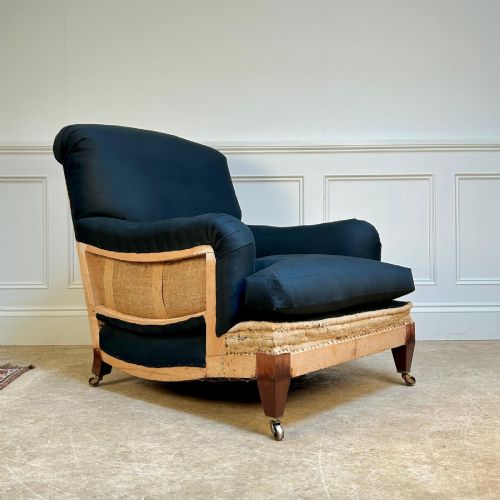
Frames are constructed from sturdy timbers including mahogany, walnut, and general hardwood, providing a rigid structural skeleton hidden beneath layers of stuffing and upholstery. Visible show frames often highlight carved mahogany or walnut details, while concealed internal elements rely on durable secondary woods.
Upholstery relies on traditional stuffing materials such as feather fillings, horsehair, and wool, paired with coil springing to achieve resilience and comfort. Outer coverings range from velvet and patterned fabric to crewelwork and leather, secured with tightly pulled seams and button-backed detailing.
Listings feature mahogany, walnut, and hardwood frames upholstered in leather, velvet, and traditional ticking.
Factors of quality
The distinction between standard pieces and the finest examples rests on the integrity of the internal frame and the fidelity of the upholstery restoration. Pieces bearing maker stamps or specific workshop attributions command greater interest due to documented provenance.
Proportion and scale dictate the visual success of a lounge chair, with superior examples offering balanced arm heights and supportive rake to the back. The quality of the secondary materials, from feather-filled cushions to the density of the original webbing, determines the tactile longevity of the seat.
Howard and Sons·Gillows·C Hindley and Sons
The Antique English Lounge Chair Glossary
- Wingback
- An armchair with high sides attached to the arms, originally designed to shield the sitter from draughts. These chairs feature prominently in both Georgian and Victorian formats.
- Button back
- A traditional upholstery technique where tufts are pulled tight and secured with buttons in a grid pattern. This method keeps internal stuffing evenly distributed across the backrest.
- Show frame
- A wooden structural skeleton left visible around the upholstered portions of a chair. Mahogany and walnut are frequently utilised for these exposed elements.
- Tub chair
- A compact seating form with a curved back that flows continuously into low arms. Regency and Victorian variants often serve as library or desk seating.
- Ticking
- A tightly woven heavy cotton fabric, traditionally striped, utilised as a durable cover or under-layer for country house upholstery.
Antique English Lounge Chair: Frequently Asked Questions
How do I identify a Howard and Sons chair?
Look for stamped maker marks on the castors, numbered legs, or specific model names like the Ingleby or Grafton stencilled onto the webbing. These chairs typically feature deep proportions and distinctively sprung comfort.
Associated styling cues include low profiles, turned walnut legs, and original ticking or heavy upholstered covers that reflect nineteenth-century country house standards.
What is the difference between a club chair and a wingback?
A club chair focuses on low, deep-seated lounging with generous armrests designed for relaxed posture. A wingback incorporates high protective sides intended to retain heat and block draughts.
Both forms utilise traditional sprung foundations and hair stuffing, but their silhouettes serve different functional roles within a historic interior.
Are these chairs suitable for daily use?
These lounge chairs were built using robust timbers and durable internal springing designed for heavy domestic service. Many modern owners utilise them daily in living spaces and studies.
Maintenance of feather fillings and periodic checks on internal webbing ensure the seating retains its structural support over decades of regular sitting.
How can I date an English lounge chair?
Dating relies on stylistic shifts in the wooden frames, castor designs, and upholstery techniques across the Victorian, Edwardian, and later periods. Regency and William IV pieces display distinct classical carving, while 1930s examples lean towards streamlined club proportions.
Evidence from maker stamps and surviving fabric remnants often narrows the manufacturing date to a specific decade.