




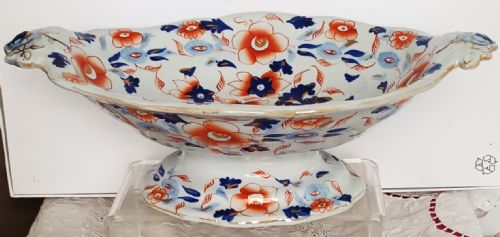
Antique English Ironstone Ceramic
Antique English ironstone ceramic pieces bring robust utility and vibrant pattern to a table or shelf.
Antique English Ironstone Ceramic
Antique English ironstone ceramic objects comprise sturdy utilitarian vessels, serving dishes and decorative items produced across the nineteenth and early twentieth centuries. These dense, durable wares were designed to withstand heavy daily use while offering an impressive visual display.
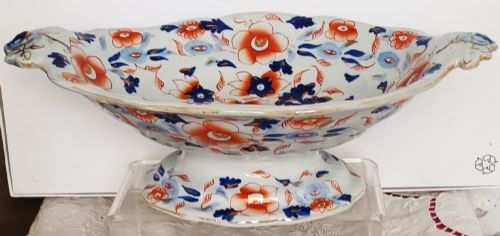
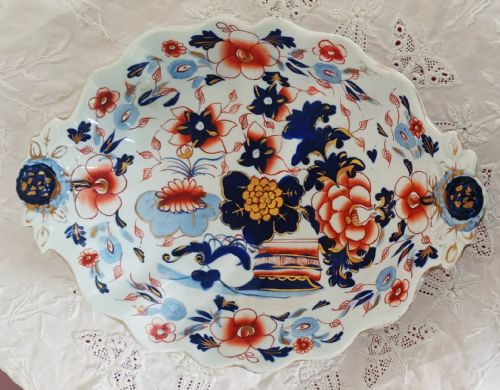
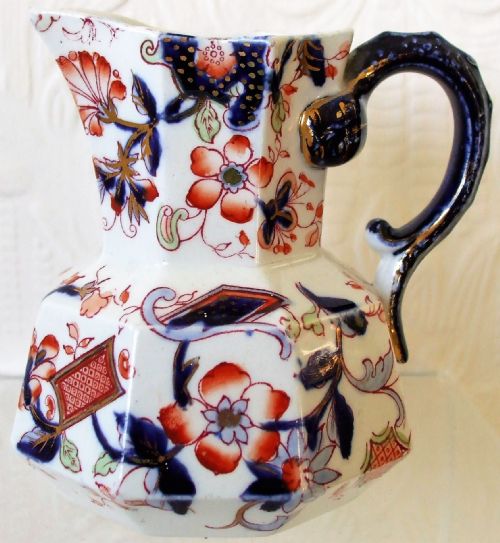
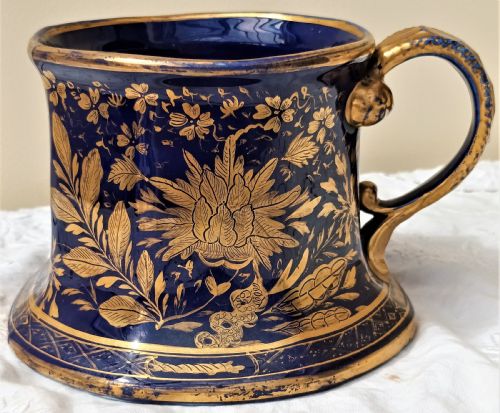
The pieces on this page span several distinct periods, with Georgian and Victorian examples appearing frequently alongside Edwardian items. Common forms include large tureens, decorative plates, footed comports, jugs, and garden seats created in various stylistic traditions.
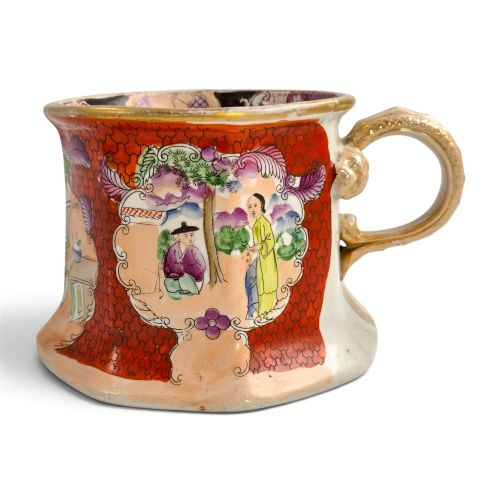
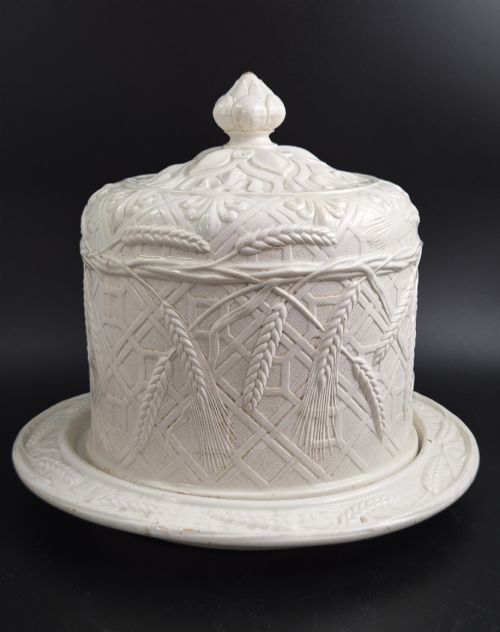
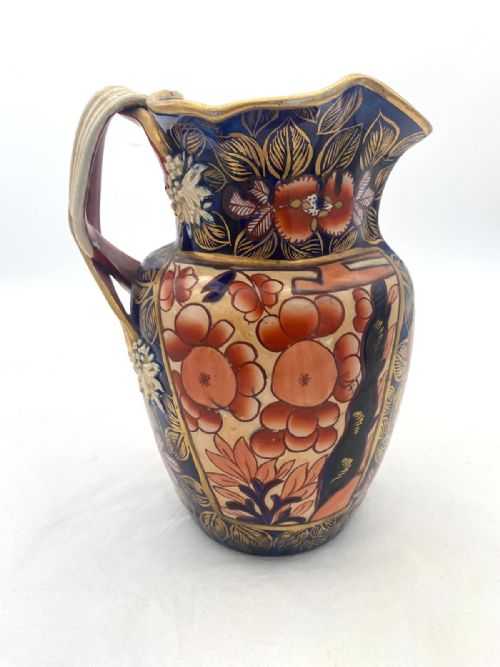
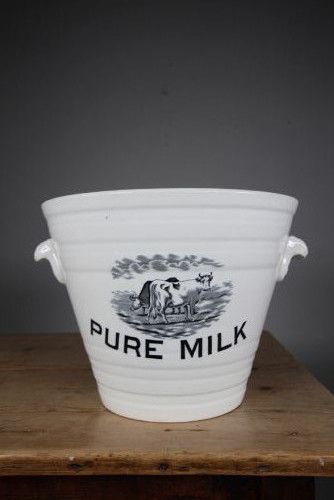
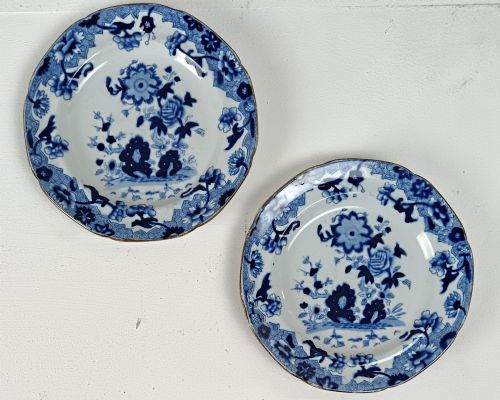
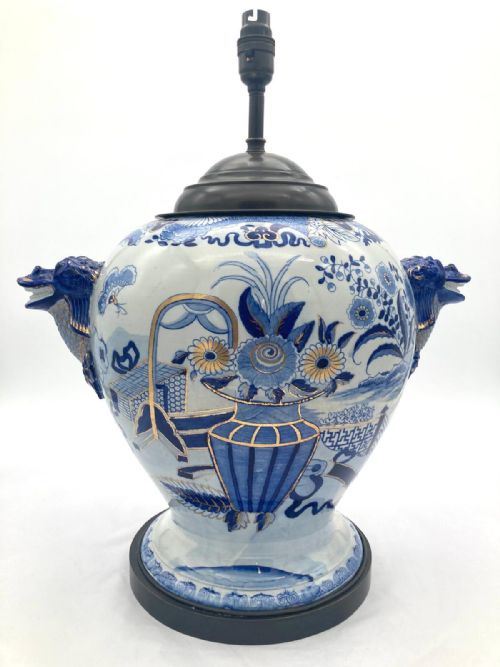
Makers utilised diverse aesthetic influences, producing items decorated with Chinoiserie scenes, Imari palettes, and blue and white transfer prints. Buyers encounter everything from dairy pails and cheese domes to large hall vases and expansive service plates.
How They Were Made
Potters manufactured these robust wares using a dense body of earthenware mixed with slag, feldspar and flint to achieve a stone-like durability. This heavy ceramic body was then finished with a smooth glaze to seal the surface for domestic service.
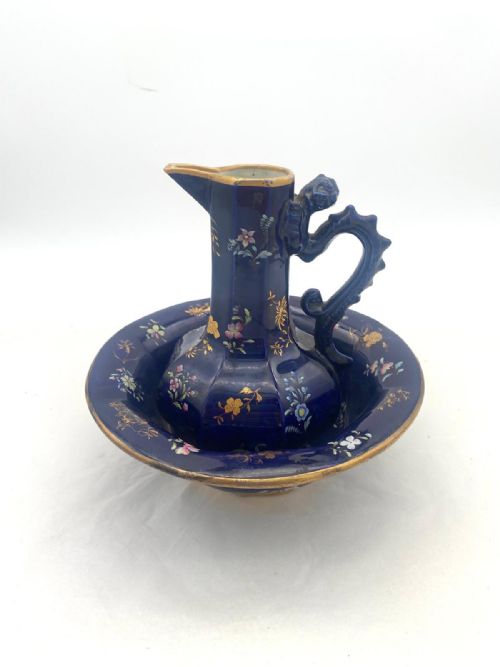
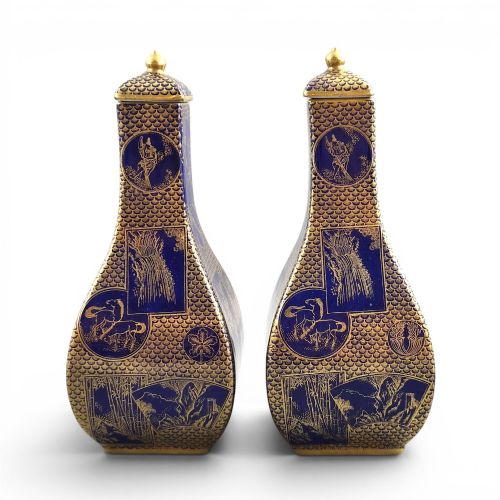
Decoration relied heavily on underglaze blue and white transfer printing, supplemented by hand-painted enamels in rich orange, red, and blue tones. Artisans occasionally applied gold leaf and gilding to accentuate intricate moulded details on formal table service pieces.
Antique English Ironstone Ceramic Retail Price Guide 2026
Typical asking prices for english ironstone ceramic among the pieces listed under this phrase on Sellingantiques today, from the lower quarter to the upper quarter. They describe what is for sale here now, not the wider market.
Object forms span utilitarian scale plates and dairy pails alongside decorative vases, comports, and garden seats.
What Varies in Quality
The refinement of the moulded detail and the crispness of the transfer print dictate the initial standard of the piece. Superior examples display sharp relief in motifs such as wheat, lattice, or exotic birds, whereas lesser pieces show softened edges from worn moulds.
Hand-painted enamel work introduces further distinction, where precise brushwork and vibrant colour application elevate the visual impact. The complexity of the form, such as large lidded garden seats or multi-piece tureen suites, also separates standard utility wares from ambitious exhibition pieces.
Mason·Spode·Hicks and Meigh·Keeling and Co·John Davenport·John Ridgway·C J Mason
The Antique English Ironstone Ceramic Glossary
- Ironstone
- A heavy, durable ceramic patented in the nineteenth century as a tougher alternative to porcelain. It bridges the gap between everyday earthenware and fine china.
- Comport
- A decorative footed dish or bowl used for serving fruit or sweets on a formal dining table. These elevated vessels add vertical interest to a table setting.
- Clobbered
- A term for older ceramic pieces that received secondary, overglaze painting later in their lifespan to enhance their colour. This practice often added bright contrasting hues to simpler blue and white transfer prints.
- Chinoiserie
- A European decorative style reflecting imaginative interpretations of Chinese artistic traditions. It frequently appears on these ceramics through depictions of exotic birds, pagodas, and lush landscapes.
- Tureen
- A deep covered serving bowl designed for holding soup, sauce, or vegetables at the table. They often include matching ladles and decorative handles.
- Imari
- A decorative pattern style inspired by Japanese export wares, typically featuring a palette of iron red, underglaze blue, and gilt. Makers applied this vibrant scheme across plates, chargers, and comports.
Antique English Ironstone Ceramic: Frequently Asked Questions
What is ironstone ceramic?
Ironstone is a dense, hard-wearing ceramic body developed to resist chipping and cracking during daily kitchen and dining use. It combines the utility of heavy earthenware with the refined appearance of fine china.
Potters moulded this material into everything from simple dairy pails to elaborate decorative comports and large tureens.
How were these pieces used?
These ceramics served practical roles in nineteenth-century homes, functioning as dairy vessels, cheese domes, meat serving platters, and soup tureens. Many forms were engineered specifically for food preparation and large-scale dining.
At the same time, elaborate decorative plates, vases, and garden seats fulfilled purely aesthetic functions in formal parlours and halls.
How do I date an ironstone piece?
Dating relies on observing the style of the decoration, the specific form, and any impressed or printed factory marks found on the base. Georgian pieces often feature vibrant Chinoiserie or Imari palettes, while later Victorian and Edwardian examples introduce different floral and architectural motifs.
Comparing the crispness of the moulding and the type of transfer printing helps narrow down the production era.
Can I use antique ironstone daily?
These wares were originally built for heavy domestic service and remain structurally robust enough for gentle contemporary use. Their thick ceramic bodies handle everyday handling well, provided they receive careful manual washing.
Harsh detergents and automated dishwashers should be avoided to protect hand-painted enamel highlights and delicate gilt accents.