


Antique English Illustration
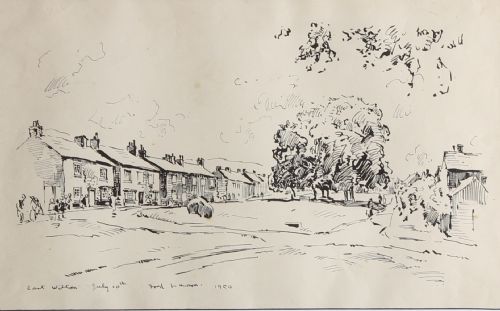
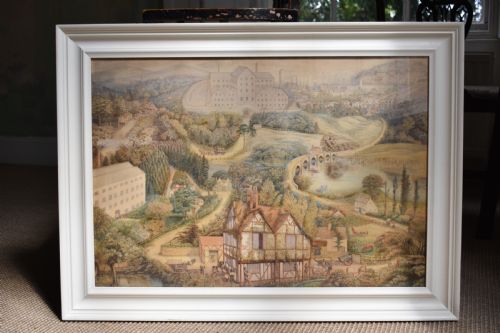
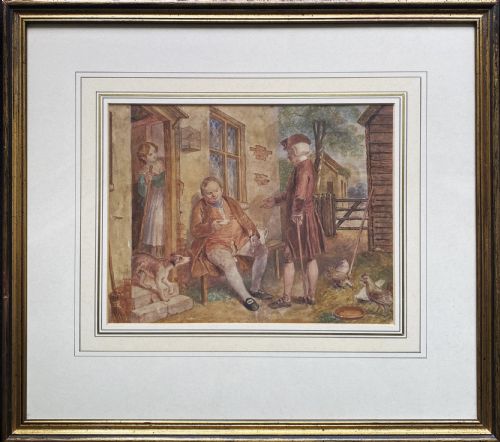
These pieces of antique English illustration capture the character of past centuries through ink, pencil, and watercolour.
Antique English Illustration
An antique English illustration brings together original drawings, watercolours, and framed artwork created across the eighteenth, nineteenth, and early twentieth centuries. These works record landscape views, botanical studies, animal subjects, and literary scenes rendered by hands trained in observation.
The material on this page spans botanical sets, townscapes, and architectural studies from the Georgian period through to the 1930s. Buyers encounter works attributed to named artists alongside pieces produced by the broader English school.
Framed watercolours and ink sketches offer a direct window into historical visual culture, capturing domestic interiors, gardens, and rural industries. Each piece represents a specific moment of recording, whether through a detailed pencil drawing or a lively pen-and-wash study.
Materials and technique
Artists relied primarily on paper supports, applying watercolour pigment, ink, gouache, and pencil to build up tone and detail. Many works combine pen-and-ink line work with washes of watercolour or monochrome ink to establish shadow and depth.
Gilt frames often enclose these watercolours and drawings, protecting delicate paper surfaces while completing the presentation of the artwork. The combination of pencil underdrawing with pigment layers remains characteristic of the period techniques recorded here.
Listings feature works executed in pencil, ink, and watercolour pigment across the 18th, 19th, and early 20th centuries.
Distinguishing quality
Quality rests in the sureness of the draughtsmanship and the clarity of the composition, where an assured pen stroke or precise botanical observation elevates the work. The handling of watercolour pigment, from transparent washes to opaque gouache highlights, shows the technical control of the artist.
Provenance and attribution also mark out the finer examples, particularly when a signed sheet or a documented book illustration connects directly to a known hand within the English school.
Edward Dayes·Louis Wain·John Masey Wright·Fred Lawson·George Perfect Harding
The Antique English Illustration Glossary
- Watercolour
- A painting method where fine pigment is suspended in a water-based solution and applied to paper. It allows for delicate washes and transparent layering.
- Gouache
- An opaque water-based paint that includes a white pigment filler, creating a heavier and more solid finish than standard watercolour.
- Wash
- A thin, fluid layer of diluted ink or watercolour spread evenly across paper to create background tone or shadow.
- Draughtsmanship
- The skill and precision with which an artist executes lines and forms using pencil, pen, or brush.
Antique English Illustration: Frequently Asked Questions
What is an antique English illustration?
It is an original work on paper, such as a watercolour painting, ink sketch, or botanical study, produced in England during past centuries.
These pieces often served as book illustrations, architectural records, or standalone landscape and wildlife studies.
How should I care for antique watercolours?
Keep works on paper away from direct sunlight to prevent the watercolour pigments and inks from fading over time.
Ensure framing uses acid-free materials to protect the historic paper from discoloration.
Are these illustrations original works?
The selection consists of hand-drawn and hand-painted original works rather than modern mass reproductions.
Artists used ink, pencil, and watercolour directly onto the paper support during the Georgian, Victorian, and later periods.
How do I identify the age of a drawing?
Age is indicated by the style of the artwork, the type of paper used, and any accompanying inscriptions or artist attributions.
Period framing and historical documentation often provide further context for dating nineteenth and early twentieth-century pieces.