



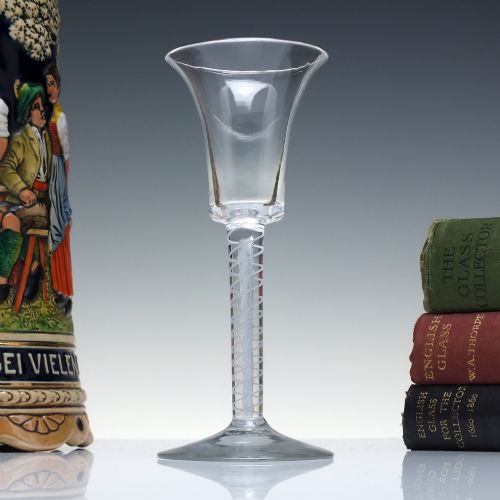
Antique English Glass Bowl
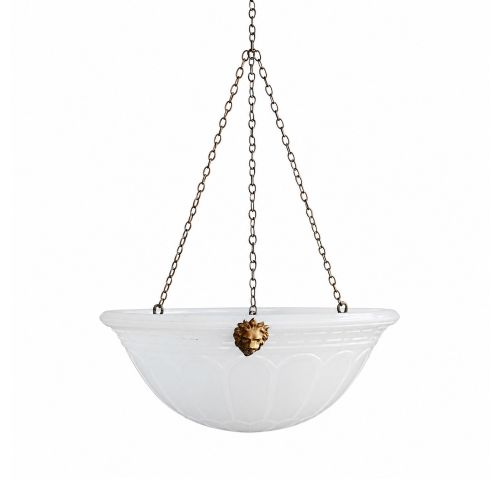
An antique english glass bowl spans centuries of domestic refinement, from Georgian sugar basins to Victorian table centrepieces.
Antique English Glass Bowl
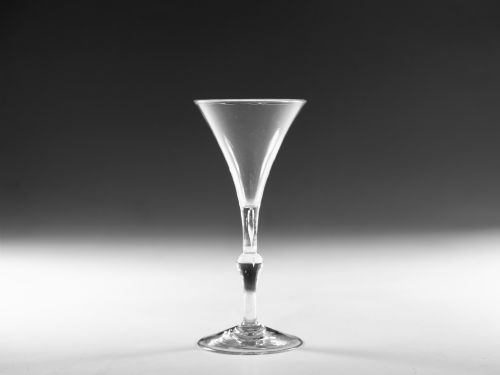
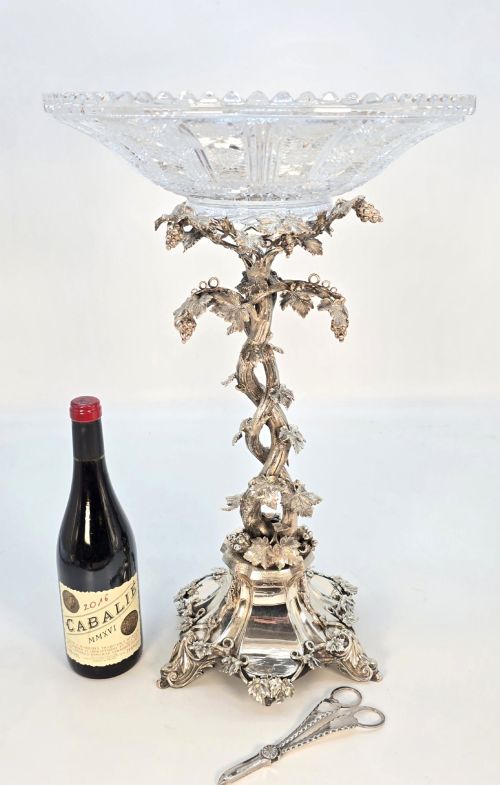
The earlier domestic vessels often emerge as blue, green, or amethyst finger bowls alongside cream jugs from the Georgian era. Later nineteenth-century examples introduce heavy cut glass tazzas, silver-plated mountings, and enamel details belonging to Victorian and Edwardian periods.
Materials and Technique
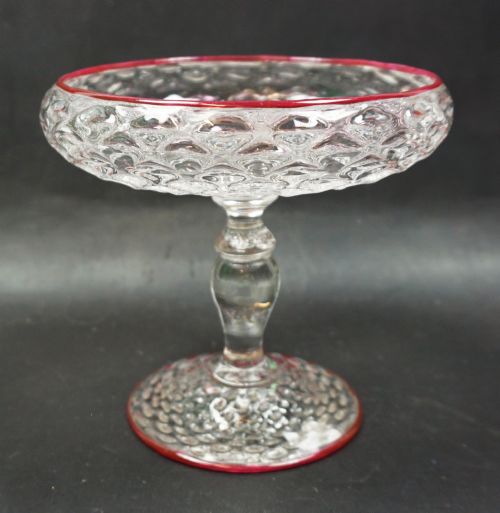
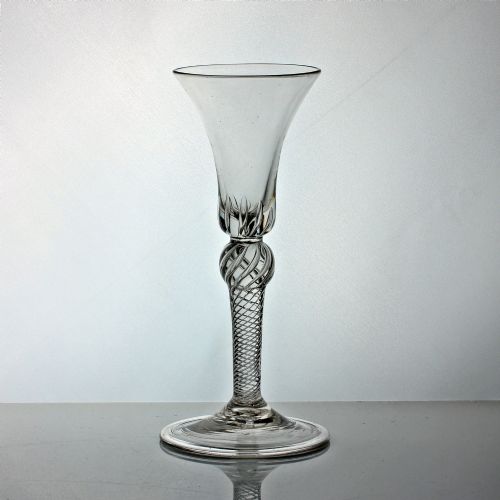
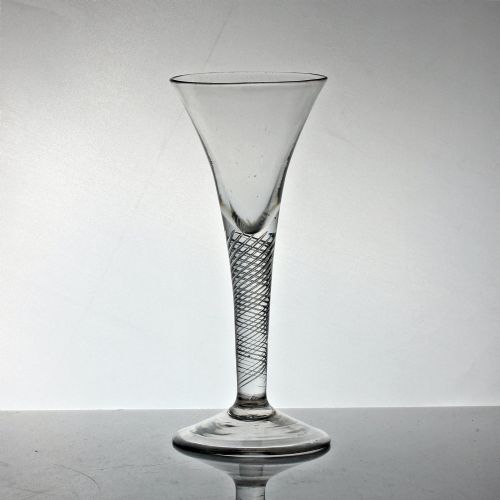
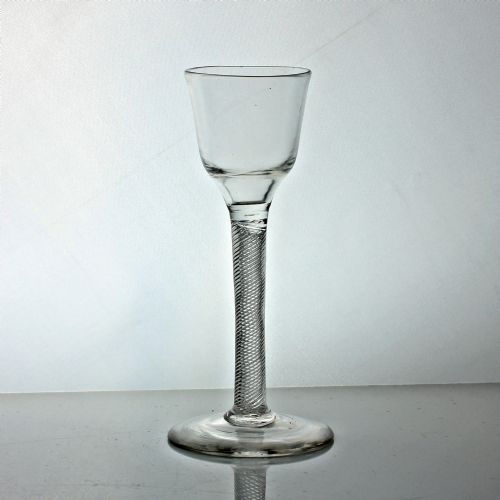
The creation of these vessels relies upon lead glass, flint glass, and clear crystal shaped through blowing and moulding techniques. Artisans utilised lead crystal to achieve brilliance, incorporating honeycombed moulds or red cane decorations into the molten material.
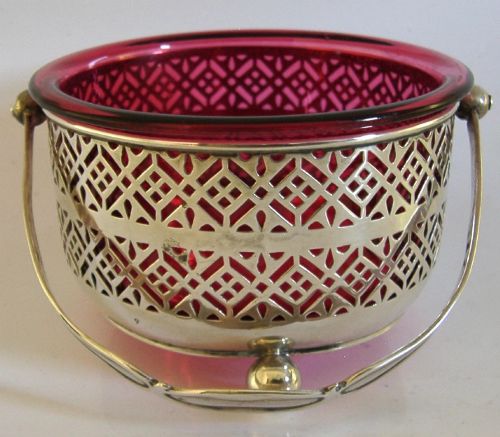
Many specimens combine glass bodies with metalwork, integrating sterling silver mountings, swing handles, or silver-plated frames around coloured glass liners. The manufacturing process accommodates both simple blown utility vessels and deeply cut decorative tableware.
Forms range from finger bowls and sugar baskets to tazzas and table centrepieces.
Assessing Distinction
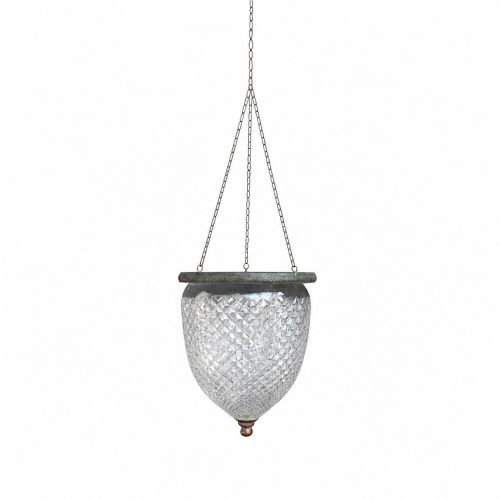
Distinction within these vessels rests upon the clarity of the material and the precision of the decorative execution. Pieces displaying deep, sharp facet cutting or complex internal glass manipulations demonstrate superior craftsmanship.
The integration between glass bodies and precious metal mounts also defines the tier of an object. Harmonious proportions between the blown glass and any sterling silver or plated framework indicate higher execution.
Graystan
The Antique English Glass Bowl Glossary
- Lead glass
- A heavy, brilliant glass formulation containing lead oxide that increases refractive index and weight. This material forms the foundation of many refined English vessels.
- Tazza
- A shallow ornamental bowl or cup elevated on a stem and foot. These pieces frequently feature cut glass patterns or coloured canes.
- Finger bowl
- A small bowl used at the table for rinsing fingers between courses. They appear in deep green, blue, and amethyst hues.
- Silver plate
- A base metal foundation coated with a layer of silver. This technique provides structural mounts for Edwardian baskets and Victorian centrepieces.
- Flint glass
- An early term for high-clarity glass used by English manufacturers. It offers exceptional transparency and resonance when struck.
Antique English Glass Bowl: Frequently Asked Questions
How were antique glass bowls used?
These vessels served diverse functions at the dining table, ranging from holding sugar and cream to rinsing fingers between courses. Larger versions acted as centrepieces for fruit or floral displays during formal meals.
Over time, utility shifted toward decorative display, particularly with pedestal tazzas and silver-mounted baskets designed to catch the light in drawing rooms.
How do I care for antique glass?
Wash these pieces gently by hand using lukewarm water and mild detergent, avoiding harsh scrubbing or ultrasonic cleaners. Sudden temperature changes will crack aged glass, so keep rinse water at a consistent, moderate warmth.
Dry the vessel immediately with a soft lint-free cloth to prevent water spots, especially around delicate silver-plated mounts or swing handles.
What colours appear in early glass bowls?
Georgian and Victorian specimens frequently emerge in rich tones of cobalt blue, emerald green, and deep amethyst. Clear lead crystal remains predominant, yet coloured variants gained popularity for finger bowls and table accents.
Makers also applied overlay techniques, combining layers of yellow or red glass over clear crystal to create striking contrast when cut.
Are metal mounts original to the glass?
Silver and silver-plated additions, such as swing handles or frames, are typically contemporary to the glass liner they hold. Makers integrated these metal elements during the Edwardian and Victorian eras to elevate utilitarian vessels into presentation pieces.
Examining the fit between the glass body and the metal mounting helps confirm their original pairing.