






Antique English Dessert Tableware
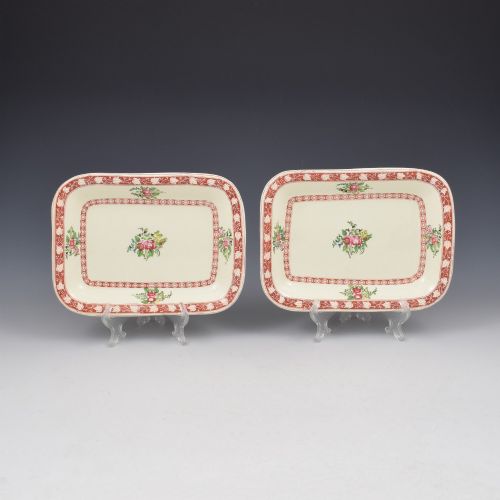
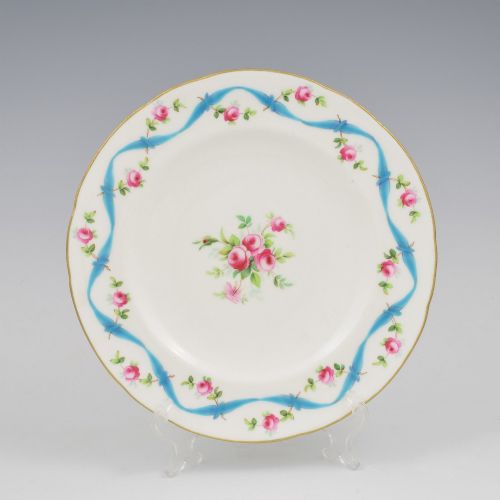
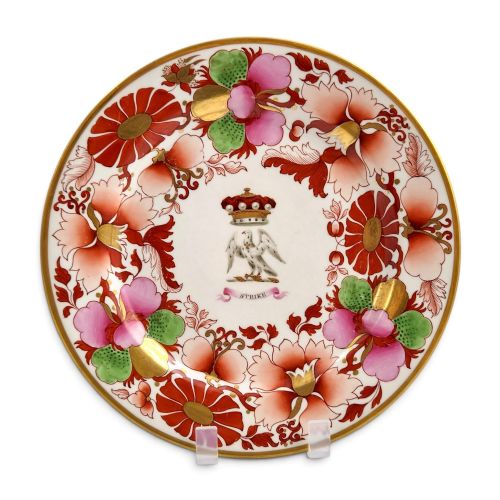
These antique English dessert tableware pieces bring nineteenth-century elegance to the table with hand-painted porcelain plates, glass finger bowls and silver-plated serving dishes.
Antique English Dessert Tableware
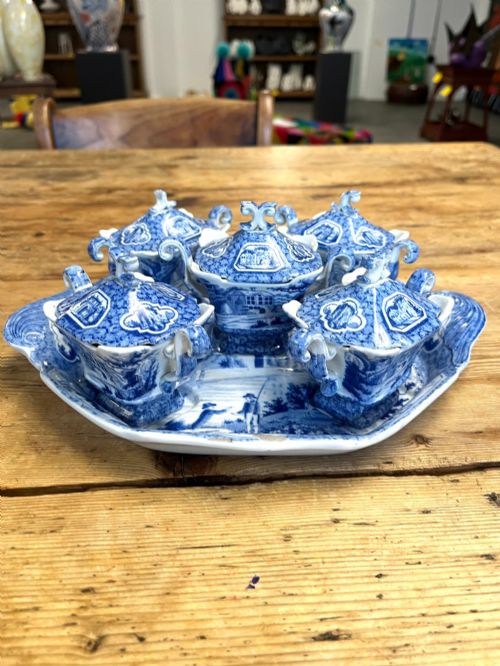
Antique English dessert tableware encompasses the specialised plates, services, comports, and tureens used for the final course of grand meals during the Georgian, Regency, and Victorian periods.
Buyers seeking antique English dessert tableware most frequently encounter complete porcelain dessert services, botanical serving dishes, and individual plates originating from makers active across the nineteenth century.
The assortment on this page ranges from free-blown crystal glass ice plates and cut crystal finger bowls to ironstone china dessert dishes and silver-plated strawberry sets.
Materials and manufacture
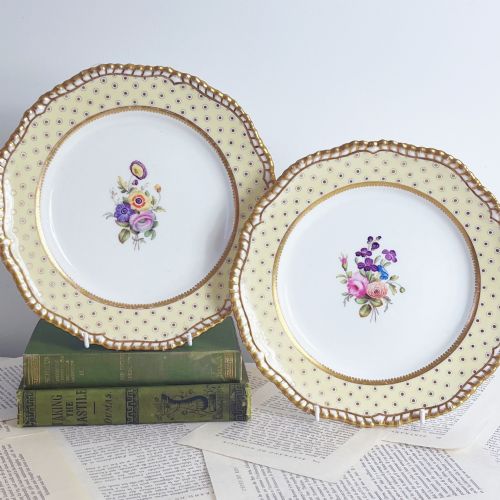
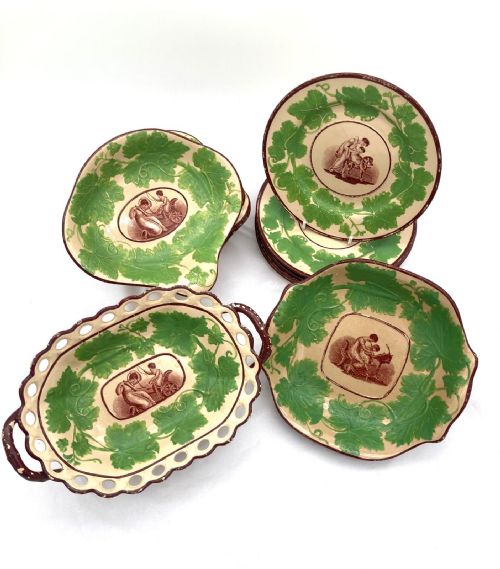
Potters utilised porcelain, bone china, earthenware, and ironstone china, shaping body materials before applying detailed hand-painted designs, enamel work, and gold leaf highlights.
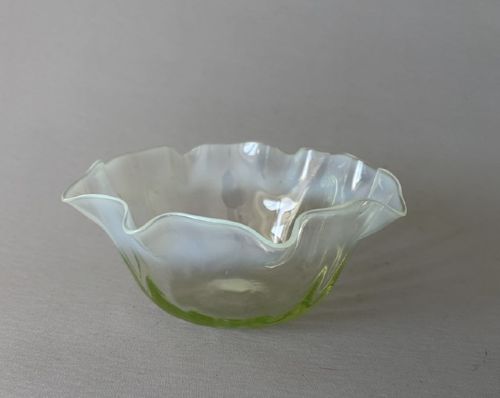
Glassware items such as vaseline and uranium glass finger bowls, crystal ice plates, and glass bowls were formed through free blowing and precise cutting techniques.
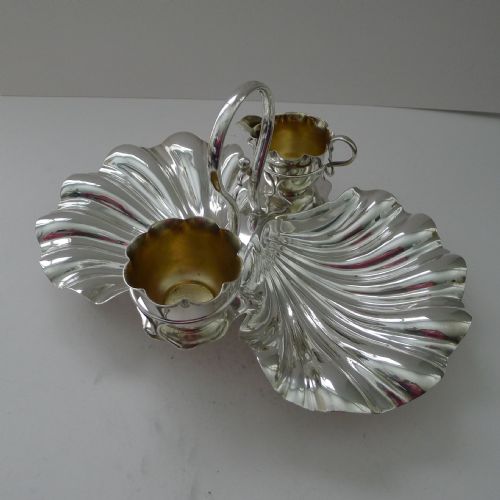
Metal components, including silver-plated strawberry dishes and sugar sifter spoons, combine base metals with electroplated silver finishes.
Antique English Dessert Tableware Retail Price Guide 2026
Typical asking prices for english dessert tableware among the pieces listed under this phrase on Sellingantiques today, from the lower quarter to the upper quarter. They describe what is for sale here now, not the wider market.
Current listings span the nineteenth century, featuring Georgian, Regency, and Victorian periods across porcelain, bone china, ironstone, and crystal glass.
Evaluating quality in dessert tableware
The refinement of the ceramic body and the precision of the hand-painted botanical or armorial motifs distinguish standard utility wares from the finest cabinet pieces.
Completeness dictates value within larger services, separating intact multi-piece dessert services and matching sets from individual surviving plates or single comports.
Flight Barr And Barr·Royal Crown Derby·John Ridgway·Daniel Arter
The Antique English Dessert Tableware Glossary
- Comport
- A elevated dish or pedestal bowl used for presenting fruit and sweetmeats as the centrepiece of a dessert service.
- Finger Bowl
- A small bowl filled with water, placed before a diner at the conclusion of the dessert course to rinse the fingers.
- Ironstone China
- A patented ceramic body developed to combine the durability of earthenware with the refined appearance of porcelain.
- Cream Tureen
- A small covered vessel designed specifically for serving clotted cream or liquid cream alongside fruit and desserts.
- Felspar
- A mineral additive utilised in certain nineteenth-century English porcelain bodies to increase translucency and strength.
Antique English Dessert Tableware: Frequently Asked Questions
What pieces comprise a dessert service?
A traditional service includes a combination of dessert plates, serving dishes, and elevated comports designed for serving fruit, sweets, and cheeses at the end of a meal.
Many surviving sets feature a central comport accompanied by six or twelve matching plates.
What is ironstone china?
Ironstone is a heavy, durable ceramic material patented in the nineteenth century to withstand daily dining use while maintaining a white glazed surface.
It forms the body of many robust dessert dishes and serving platters.
How do I date these items?
Dating relies on maker marks, ceramic body composition, stylistic indicators such as Regency or Rococo Revival motifs, and registration or date codes impressed into the base.
Porter and factory marks help narrow down production to specific nineteenth-century decades.