
Antique English China Set
An antique english china set brings centuries of historic craft and painted artistry directly to the table.
Antique English China Set
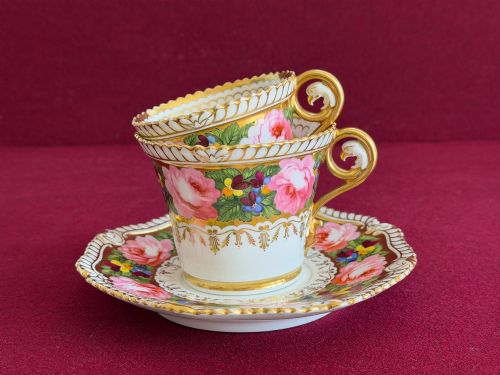
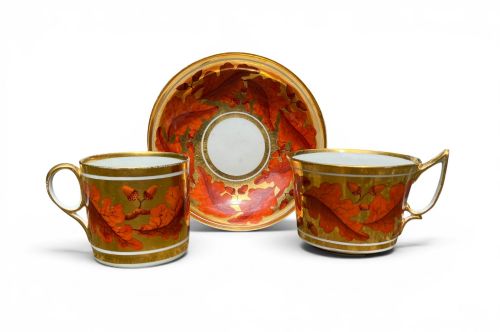
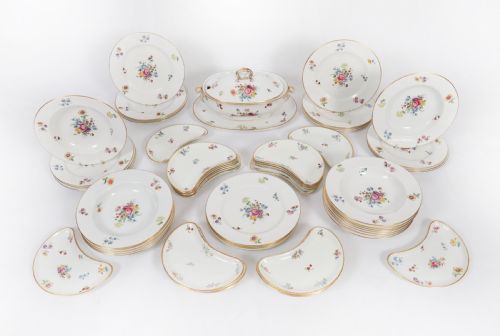
An antique english china set encompasses matched and assembled groups of ceramic wares designed for dining, dessert, or tea service across the Georgian, Regency, and Victorian periods. Buyers encounter everything from intimate trios of cups and saucers to extensive fifty-piece dinner services created by notable factories.
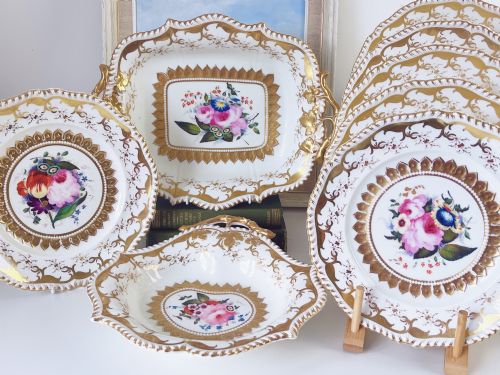
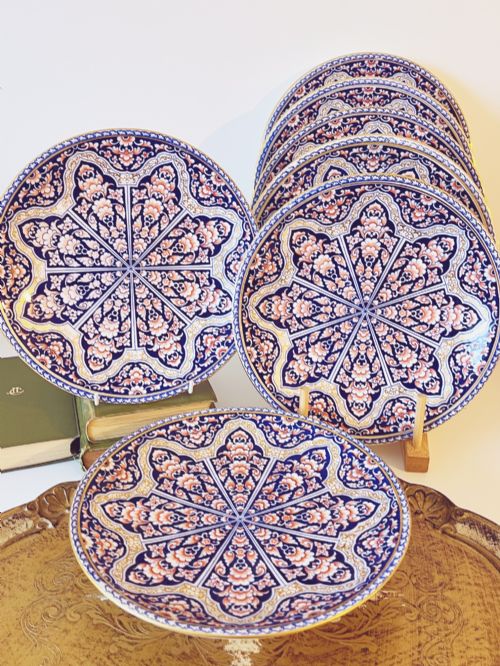
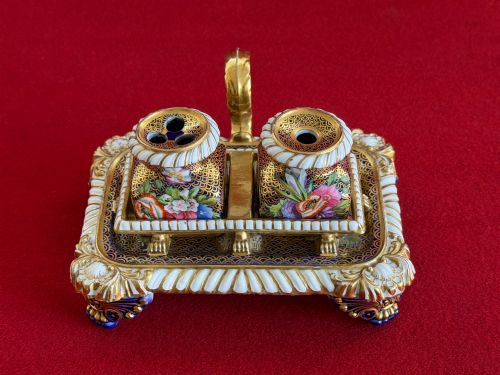
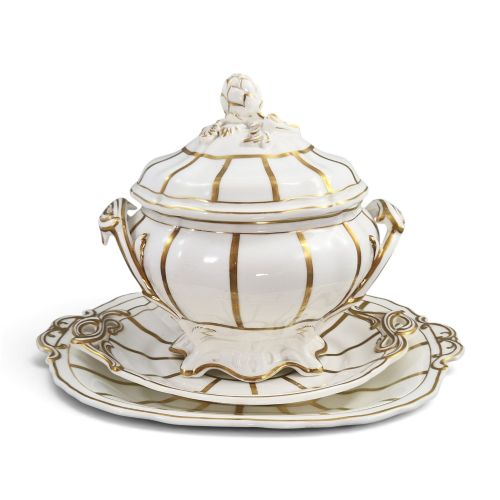
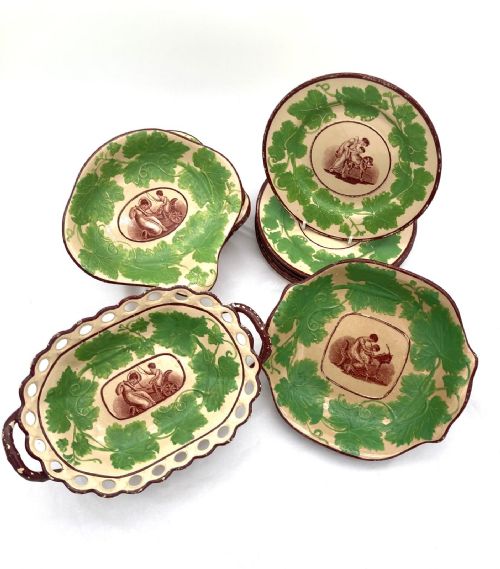
The assortment on this page leans heavily toward Regency and nineteenth-century porcelain and ironstone, including specialised items like custard sets, inkstands, and botanical creamware. These domestic services reflect formal dining traditions, utilising varied forms from comports to sauce tureens.
Originating from established centres like Worcester, Derby, and Coalport, these services survive as testaments to historic British ceramic production. Selecting a set involves balancing utilitarian forms with decorative hand-painted patterns tailored for display or occasional service.
Materials and methods
Makers utilised fine porcelain, bone china, earthenware, and ironstone as the primary bodies for shaping plates, cups, and serving vessels. These ceramic compositions provided the durability and refined surfaces required for intricate domestic use.
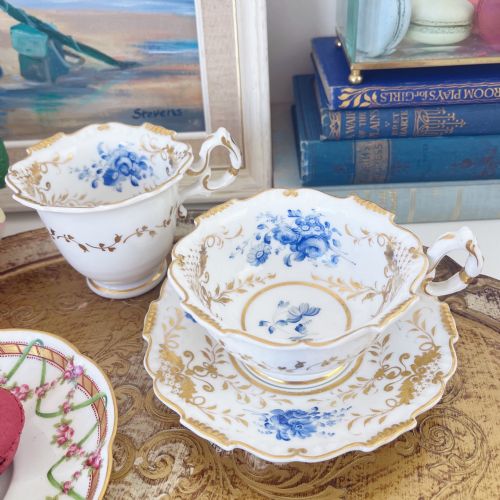
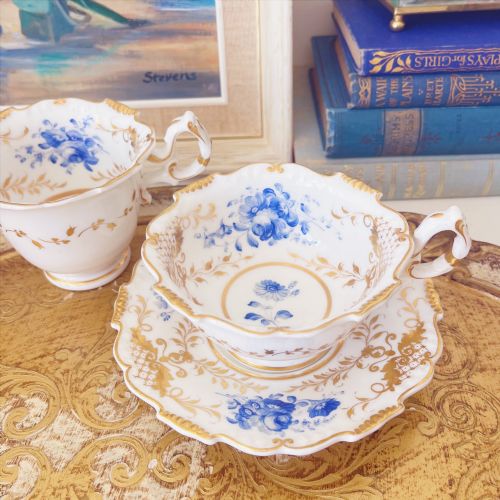
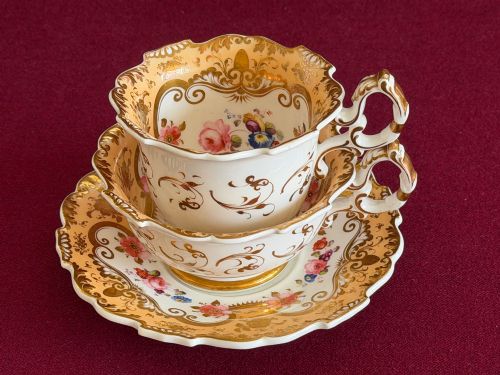
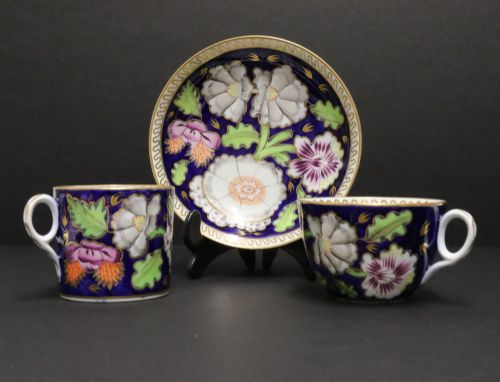
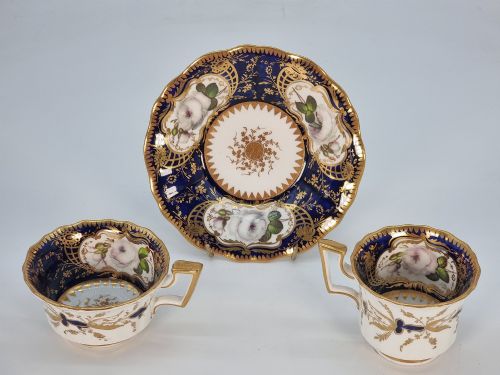
Artisans applied hand-painted floral motifs, transfer printing, and polychrome designs directly onto the ceramic body before glazing and firing. Gilt, gold leaf, and enamel enrichments frequently highlight the rims, handles, and central patterns of these historic services.
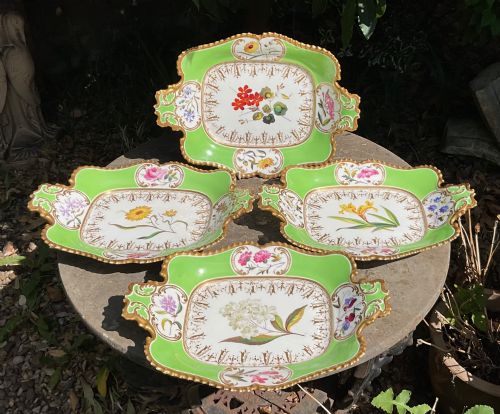
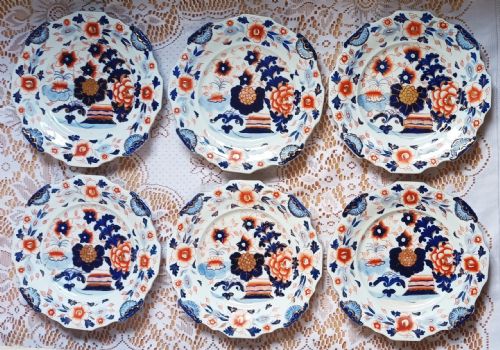
Nineteenth-century diners enjoyed elaborate dessert services featuring hand-painted botanical studies and bright Japan patterns alongside sweetmeats.
Assessing quality in ceramic services
Quality rests upon the crispness of the moulding, the precision of the hand-painted detailing, and the integrity of the glaze. Earlier pieces often display superior artistic execution in botanical or orientalist patterns compared to later mass-produced alternatives.
Completeness significantly elevates a set, particularly when larger dinner or dessert services retain matching components without replacement pieces. The reputation of the manufacturing house, combined with documented pattern numbers, further distinguishes standard domestic wares from exceptional cabinet pieces.
Grainger Lee and Co·H and R Daniel·Chamberlains Worcester·Royal Crown Derby·Newhall·Coalport·Spode·Davenport·Wedgwood·Derby·Flight Barr and Barr·Hicks Meigh and Johnson·Shelley·Royal Worcester·Royal Albert Crown China
The Antique English China Set Glossary
- Bone china
- A type of porcelain incorporating bone ash, developed in England to create a strong, translucent white body suitable for fine tea and dinner wares.
- Ironstone china
- A patented heavy earthenware developed for durability, often decorated with vibrant Japan patterns suited to robust daily dining.
- Comport
- A raised dish or bowl placed centrally on a table to serve fruit or sweetmeats as part of a formal dessert service.
- Trio
- A matched ceramic grouping consisting of a teacup, a coffee cup, and a saucer, common in Regency and Victorian parlour settings.
- Gilding
- The application of gold leaf or powdered gold to ceramic surfaces, utilised to accent rims and handles on formal tea and dinner sets.
Antique English China Set: Frequently Asked Questions
How do I use an antique china set today?
These sets serve wonderfully for special occasions, afternoon tea, or formal dining when handled with proper care. Many collectors also display plates, trios, and tea services in cabinets to appreciate their historic artistry daily.
Hand washing in warm water with mild soap preserves the delicate hand-painted motifs and gold leaf. Avoiding dishwashers and microwaves ensures the antique glazes remain intact for future generations.
How do I date an antique ceramic service?
Dating relies on maker marks, factory backstamps, pattern numbers, and stylistic cues unique to periods like the Regency or Victorian era. Shape variations and potting techniques also provide reliable indicators of age.
Comparing pattern styles against documented factory histories helps narrow down production decades. Certain pieces feature direct date marks or registration numbers stamped into the ceramic body.
What is the difference between porcelain and ironstone?
Porcelain is a fired ceramic material known for its fine translucency, delicate walls, and refined appearance suited to formal tea wares. Ironstone is a dense, heavy earthenware designed for durability in robust dinner services.
While porcelain feels lighter and often shows translucent qualities when held to light, ironstone offers greater weight and opacity. Both materials hosted elaborate hand-painted and transfer-printed designs across the nineteenth century.
Can I mix pieces within an antique service?
Assembling or supplementing a service with period-matching pieces is a common practice among collectors when original sets lack full counts. Matching patterns, factories, and periods maintains a cohesive look on the table or in display.
Careful attention to colour palettes and gilt styles ensures that added plates or cups blend harmoniously. Many historic services grew organically through replacement pieces acquired over time.