

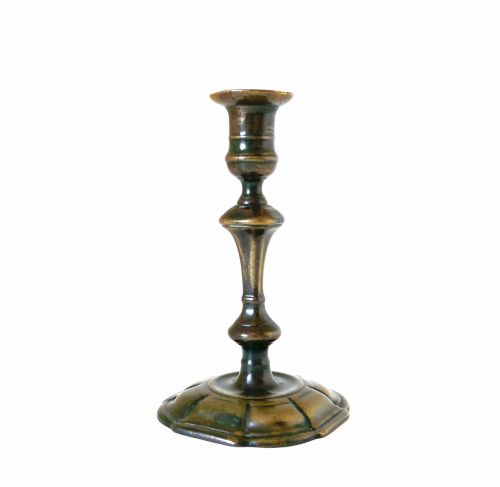


Antique English Candle Stand
When you search for an antique English candle stand, you uncover a practical lighting support or small pedestal table shaped by centuries of domestic craft.
Antique English Candle Stand
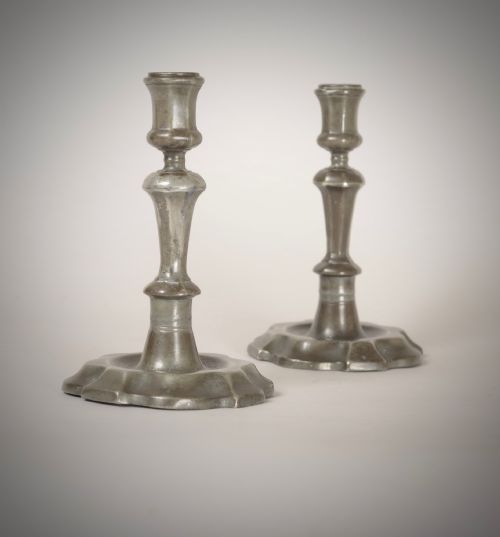
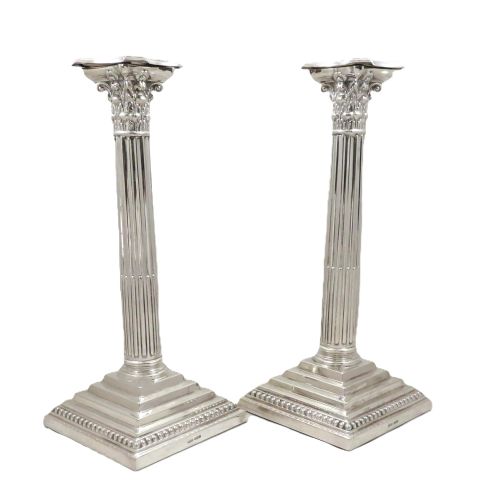
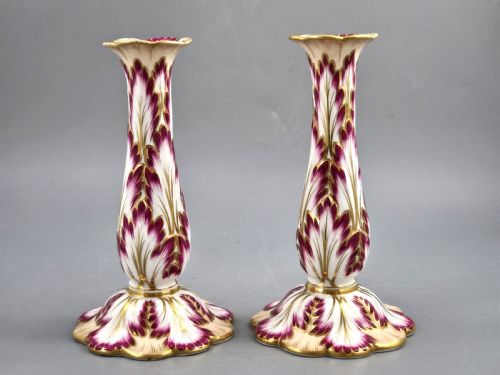
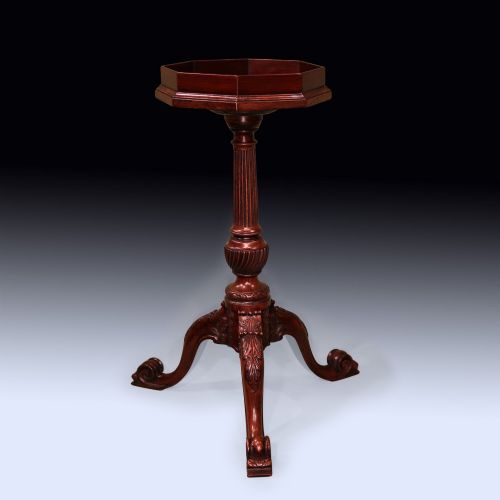
The search phrase antique English candle stand brings together two distinct functional forms intended to elevate illumination or hold small objects within a room. Buyers encounter sturdy wooden pedestals designed for candles or lamps alongside metal candlesticks, torcheres, and small occasional tables.
Examples span the seventeenth, eighteenth, and nineteenth centuries, reflecting shifts from simple country utility to refined Georgian and Regency drawing-room elegance. Oak, mahogany, and yew versions appear alongside brass, pewter, and wrought iron lighting devices.
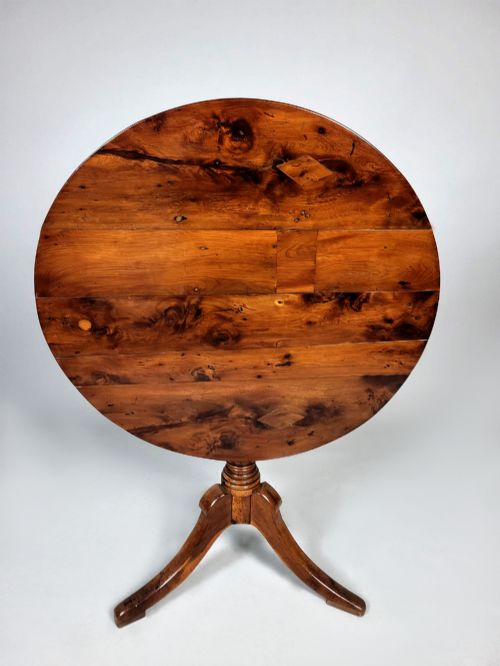
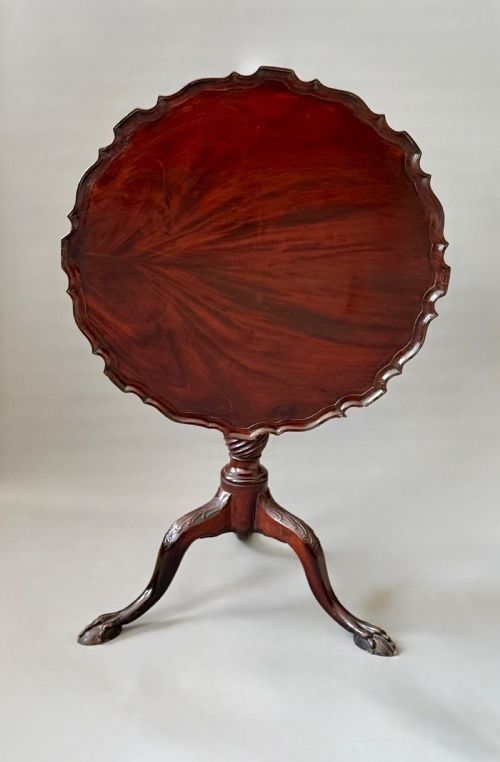
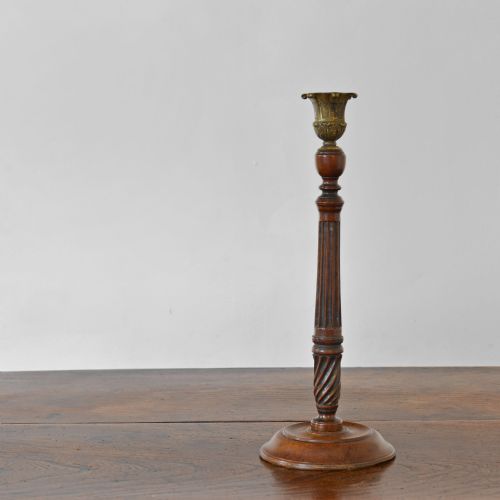
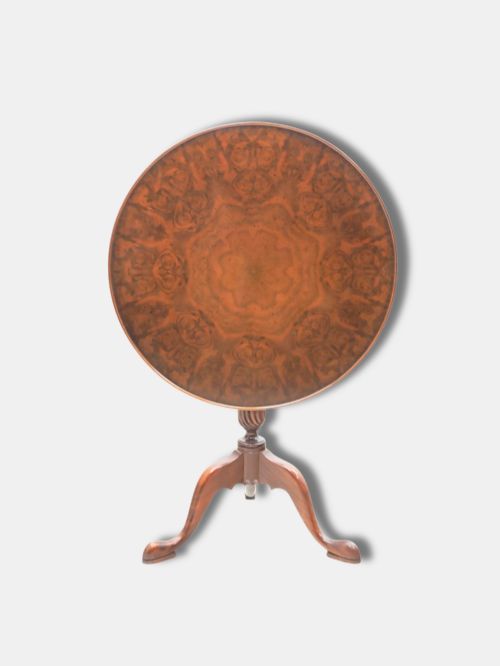
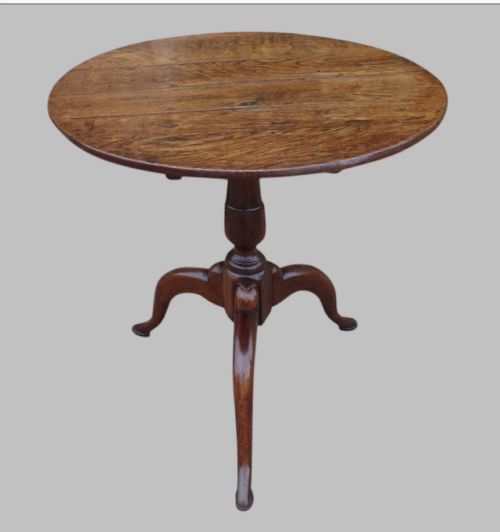
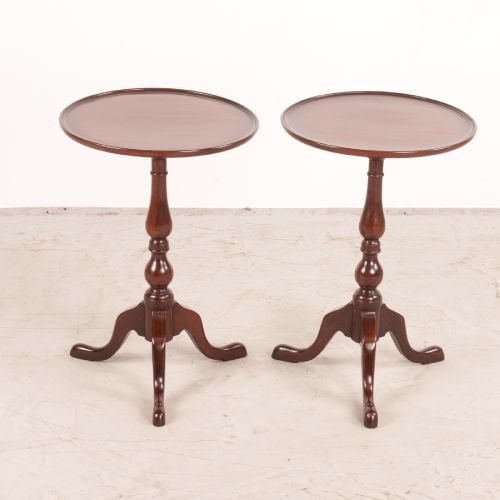
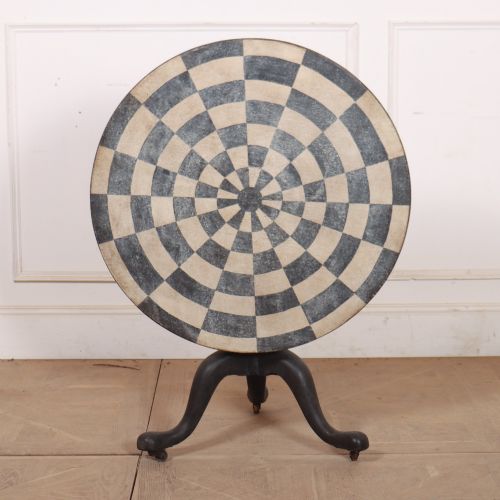
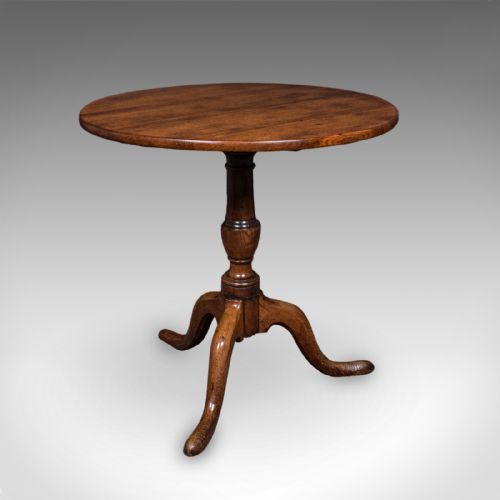
The most common formats on this page are timber tripod tables with tilt-top mechanisms and metal or turned-wood candlesticks intended for tabletop or floor placement.
How they were made
Timber pieces rely heavily on native hardwoods such as oak, mahogany, walnut, and fruitwood, shaped with turned shafts and three-legged tripod bases for stability on uneven floors. Joinery includes pegged tenons, dovetails, and pivoting mechanisms for tilt-top tables.
Metal items utilise brass, pewter, bronze, and wrought iron, formed through casting, seaming, or hand-hammering techniques. Surface patination develops naturally through age and handling.
Listings feature oak, mahogany, yew wood, brass, pewter, and wrought iron across centuries of domestic design.
What varies in quality
Quality rests upon the crispness of the timber carving, the proportion of the turned column to the top, and the integrity of the original joints. Superior examples display carefully selected wood grain, well-balanced tripod legs, and minimal timber shrinkage.
For metal items, weight, seaming precision, and the survival of original patination dictate desirability. Pieces retaining matching components and unpolished surfaces command greater appreciation among collectors.
Ridgway·J.T. & Co
The Antique English Candle Stand Glossary
- Tripod table
- A small freestanding table supported by a central pillar resting on three legs. These versatile tables often featured tilting tops for easy storage against a wall.
- Torchère
- A tall, slender stand designed to support a candelabrum or candle. These decorative pieces were frequently placed in corners or between windows.
- Rushlight holder
- An iron device designed to grip a dried rush dipped in animal fat for cheap illumination. They often combined a spring clip with a heavy base.
- Tilt-top
- A tabletop mechanism allowing the surface to swivel vertically when not in use. This clever design saved valuable floor space in compact historic rooms.
- Pie crust table
- A small occasional table featuring a raised, carved, and scalloped edge resembling pastry work. This decorative detail is typically associated with high-style eighteenth-century cabinet making.
Antique English Candle Stand: Frequently Asked Questions
What is the difference between a candle stand and a candlestick?
A candle stand generally refers to a small freestanding piece of furniture, such as a tripod table or torchère, designed to elevate a light source above the floor. Candlesticks are smaller, portable devices intended to sit directly upon tables, desks, or mantelpieces.
While both serve the same primary domestic purpose of holding illumination, their construction and scale reflect entirely different branches of period craftsmanship.
How do I date an oak tripod table?
Dating oak tripod tables relies on examining construction marks, timber grain, and leg profiles. Earlier eighteenth-century examples often feature heavier turnings, pegged joints, and substantial pad feet.
Later nineteenth-century interpretations typically show machine-sawn elements, lighter proportions, and different secondary woods underneath the top.
How should I care for antique wood stands?
Protect antique wood stands by placing them away from direct sunlight, central heating vents, and damp environments that cause timber to warp or split. Regular dusting with a soft, dry cloth preserves the historic wax finish without building up residue.
Avoid using modern silicone polishes, which can permanently alter or damage the aged patinated surface.