

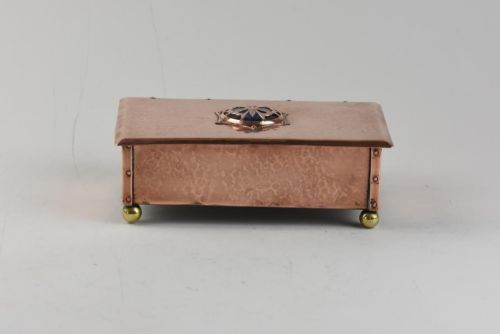


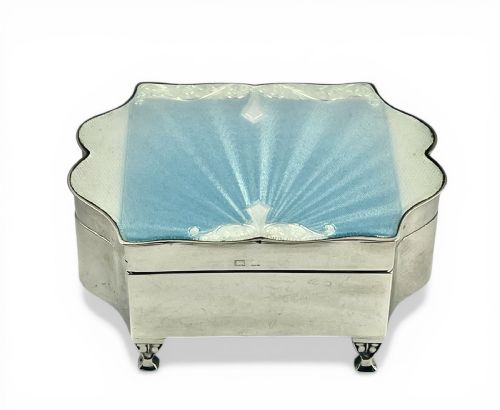


Antique Enamelled Jewellery Casket
These antique enamelled jewellery casket pieces are miniature treasuries of metal and coloured glass, offering small-scale decorative brilliance for your dressing table.
Antique Enamelled Jewellery Casket
When you search for an antique enamelled jewellery casket, you encounter a varied group of small storage boxes designed for trinkets, rings, and personal treasures. The selection ranges from compact trinket boxes to more substantial table cabinets created across the nineteenth and twentieth centuries.
You are most likely to meet pieces produced during the Victorian and Edwardian eras, alongside items reflecting the Arts and Crafts, Art Nouveau, and Art Deco movements. These containers serve as both functional storage and decorative objects reflecting distinct historical styles.
The origins span Britain, France, Austria, and Japan, bringing together European metalwork techniques and distinct international decorative traditions. Each box represents a specific period aesthetic, from French Rococo Revival opulence to British Arts and Crafts handcrafting.
Materials and construction methods
The construction of these pieces relies on base metals such as copper, brass, bronze, and pewter, often paired with sterling silver or gilt mounts. Artisans applied decorative enamelling directly onto metal surfaces or used porcelain and glass panels as the primary medium for colour.
Enamelling techniques vary from translucent champlevé and cloisonné work to miniature painted scenes on porcelain and Limoges plaques. Beaten, riveted, and cast metalwork frame these glass and enamel panels, showing the skilled joinery of the period workshops.
Antique Enamelled Jewellery Casket Retail Price Guide 2026
Typical asking prices for enamelled jewellery casket among the pieces listed under this phrase on Sellingantiques today, from the lower quarter to the upper quarter. They describe what is for sale here now, not the wider market.
Recorded origins on this site include British, French, Austrian, and Japanese workshops active across the nineteenth and early twentieth centuries.
Distinguishing quality in enamel and metalwork
Quality rests in the precision of the enamel work, the weight and finish of the cast or beaten metal frame, and the integration of decorative appliques. Superior examples display flawless fusion in the glass enamels and meticulous hand-detailing on the mounts.
The sophistication of the design and the harmony between the metal chassis and the enamel or porcelain panels dictate the standing of a piece. Finer items incorporate cameos, gold leaf, or hand-painted miniatures that elevate the box beyond standard commercial production.
The Antique Enamelled Jewellery Casket Glossary
- Cabochon
- A polished, unfaceted gemstone or enamel focal point, often rounded in shape and mounted centrally on a box lid. This form highlights the colour and depth of the material.
- Cloisonné
- A metalwork technique where thin wire partitions are soldered to a base to form cells, which are then filled with enamel paste and fired. This method creates intricate patterns defined by delicate metal lines.
- Champlevé
- An enamelling process where troughs or cells are hollowed out of the metal surface and filled with enamel before firing. It produces robust, deeply coloured designs integrated directly into the metal.
- Gilt bronze
- Bronze metal treated with a thin layer of gold or gold wash to produce a rich, golden metallic finish. This material adds warmth and a sense of luxury to the framework of the casket.
- Table cabinet
- A larger, more architectural box designed to sit on a surface and house multiple compartments or drawers. These pieces function as miniature pieces of furniture.
Antique Enamelled Jewellery Casket: Frequently Asked Questions
What is an enamelled jewellery casket?
An enamelled jewellery casket is a small decorative container designed to hold precious items, combining metalwork with fused glass enamel decoration.
These boxes range from simple trinket holders to elaborate table cabinets produced in various historical styles.
How do I date an antique casket?
Dating relies on stylistic markers such as Arts and Crafts handbeaten finishes, Art Deco geometric lines, or Victorian revival motifs.
Many silver pieces also carry hallmarks that provide specific year and assay office details.
Where were these caskets made?
Production centres were widespread across Europe and Asia, with notable output from Britain, France, Austria, and Japan.
French pieces frequently feature Sevres porcelain or Limoges panels, while Viennese workshops specialised in rich cabinet enamels.
How do I care for enamelled metal boxes?
Care requires gentle dusting with a soft cloth and keeping the pieces away from moisture and direct sunlight to protect the enamel.
Avoid using harsh metal polishes on enamelled or gilded surfaces to preserve the original finish.