



Antique Enamel Wall Sign
An antique enamel wall sign brings industrial character and bold lettering straight from the street and shop floor into the home.
Antique Enamel Wall Sign
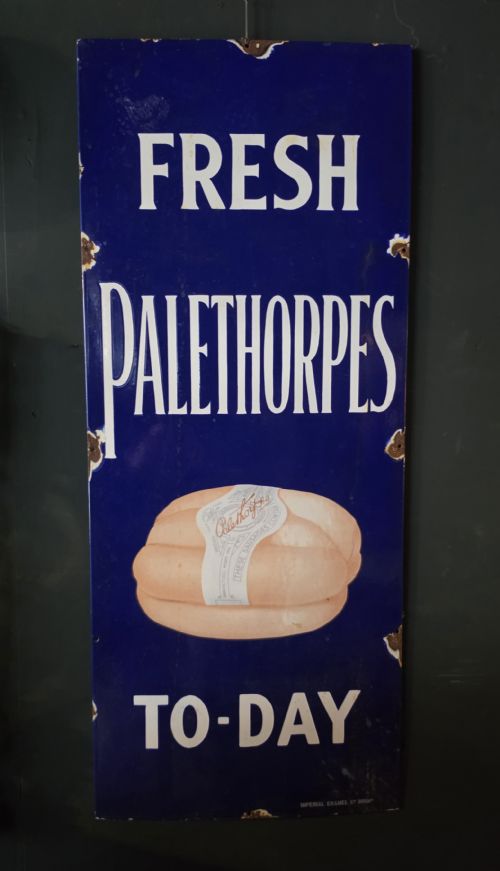
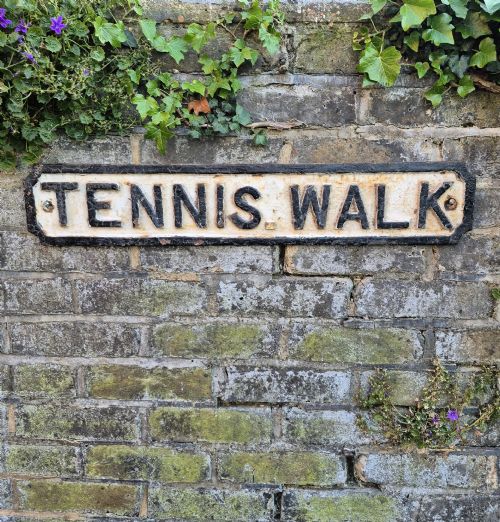
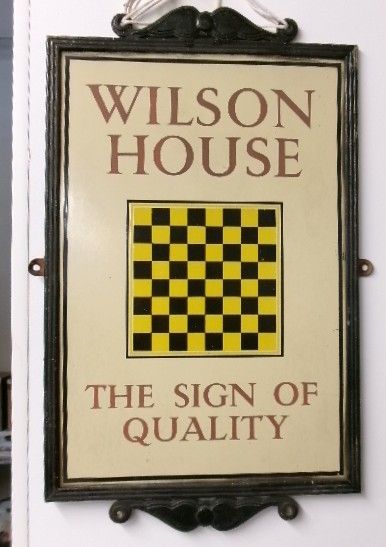
An antique enamel wall sign captures the commercial and municipal history of the late nineteenth and early twentieth centuries through durable advertising and directional markers. You will frequently encounter British industrial advertising pieces alongside street names and public notices.
The selection ranges from food and footwear promotion boards to pharmacy trade notices and street signs in iron or glass. Japanese Meiji period chargers also appear, offering intricate decorative work alongside the utilitarian British pieces.
How they were made
Vitreous enamel was fused onto sheet iron or copper bases at high temperatures to create glossy, hard-wearing surfaces capable of withstanding outdoor weather. This technique locked in vibrant paint colours and sharp typography that resisted fading.
Alternative methods included totai shippo construction on porcelain and ceramic bodies, where cloisonne wire outlines held the enamel fields. Hand-painted ceramic bowls utilised detailed pigments applied directly to the body before firing.
Listings span periods from the 1870s Meiji era up to the 1930s, using iron, glass, ceramic, and copper materials.
What varies in quality
The sophistication of the typography and the complexity of the pictorial elements set exceptional specimens apart from standard municipal notices. Multi-coloured pictorial advertising boards demand greater technical skill than simple two-tone text plates.
Japanese chargers demonstrate quality through the precision of the cloisonne wirework and the depth of the tree bark or single-dragon motifs. Signed works by recognised artisans reflect a higher tier of craftsmanship.
The Antique Enamel Wall Sign Glossary
- Vitreous enamel
- Glass powder fused to a metal substrate through intense heat. This process produces a smooth, impervious surface that protects the underlying iron from rust.
- Totai shippo
- Japanese cloisonne enamel applied over a ceramic or porcelain core. It combines ceramic forming techniques with metal-wire cell construction.
- Charger
- A large decorative plate or wall dish intended for display rather than dining. These pieces often feature detailed pictorial scenes and signatures.
- Vitriolite
- An opaque structural glass material used for signage and architectural panelling. It provides a heavy, polished surface distinct from sheet metal.
- Mon
- A traditional Japanese badge or crest used to indicate family lineage or heraldic identity. These symbols frequently appear within decorative charger designs.
Antique Enamel Wall Sign: Frequently Asked Questions
Where were these signs displayed?
Most advertising and trade examples hung outside shops, railway stations, and public houses to catch the eye of passers-by. Street signs and public utility notices were mounted directly onto exterior building walls at intersections.
Inside domestic spaces, collectors typically hang them in kitchens, hallways, or home offices where the robust industrial aesthetic stands out against plain walls.
How do I clean an enamel sign?
Wash the surface gently using warm water and a mild dish soap with a soft cloth. Avoid abrasive scouring pads or harsh chemical cleaners that can dull the glossy vitreous finish.
Dry the metal edges thoroughly afterwards to prevent any moisture from settling into exposed iron areas.
Are Japanese chargers wall signs?
Japanese chargers function primarily as decorative display pieces rather than commercial notices. They share similar enamel techniques and heavy wall-hanging potential.
Collectors group them together because their colourful cloisonne and hand-painted surfaces offer a comparable visual impact in a room.
How do I hang a heavy sign?
Support the weight using sturdy wall anchors and appropriate brackets that match the mounting holes of the specific piece. Avoid relying solely on small picture wire attached to fragile frames.
Ensure the sign rests securely against the wall to prevent accidental knocking in high-traffic corridors.