
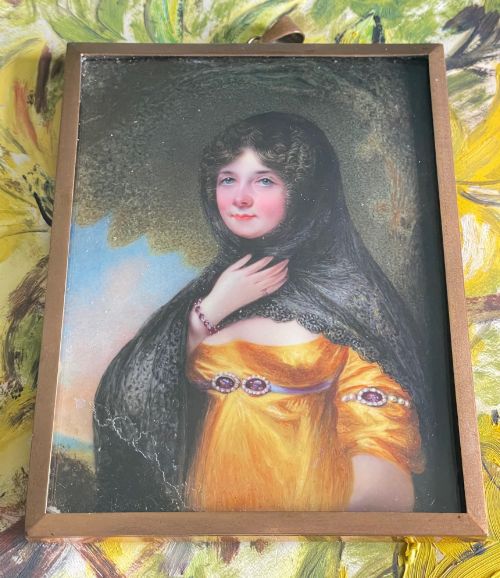
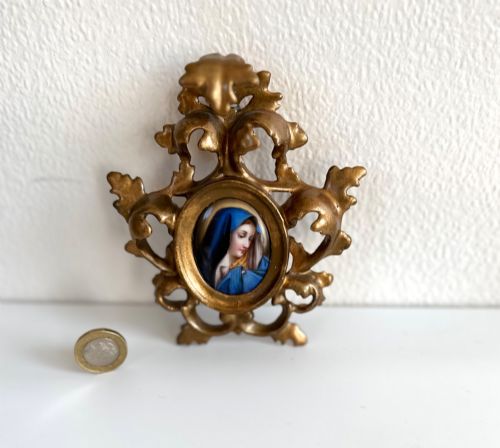
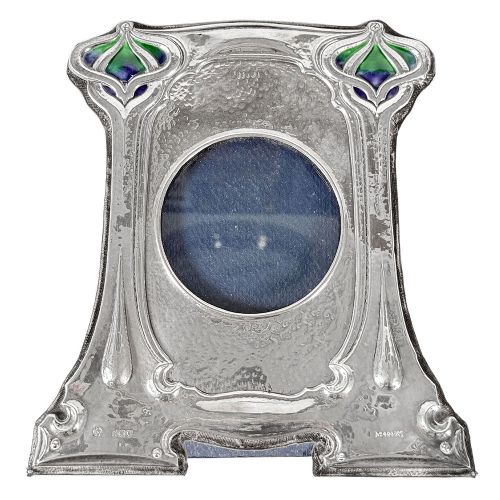


Antique Enamel Portrait Frame
An antique enamel portrait frame holds a miniature painting or photograph behind glass, offering a miniature world of colour and craftsmanship that lifts any desk or wall.
Antique Enamel Portrait Frame
When you search for an antique enamel portrait frame, you are looking at domestic desk accessories, wall plaques and pendants designed to hold miniature likenesses of individuals.
The selections span the 18th century through the Edwardian era, encompassing Georgian and Victorian Rococo Revival styles as well as Arts and Crafts pieces.
Forms range from simple table mirrors and photo frames to Limoges plaques and gold pendants, originating from English and continental workshops.
How they were made
Maker's workshops applied powdered glass mixtures onto copper, brass, or porcelain bases, firing them in kilns to produce durable, glossy enamel surfaces.
Metalwork frames utilised gilt metal, ormolu, copper, and 18-carat gold, often paired with glass protection and wooden backing boards to secure the painted portraits.
The listings span the 18th century to the Edwardian period, incorporating copper, porcelain, ormolu, and 18-carat gold materials.
What varies in quality
Quality depends upon the fineness of the enamel painting itself, distinguishing delicate hand-painted miniatures from simpler decorative surfaces.
The richness of the surrounding metalwork, whether cast ormolu, chased gilt metal, or solid gold set with pearls, elevates the importance of the piece.
Horace Hone·William Hutton and sons·Christian Friedrich Zincke·Henry Pierce Bone·F.Bienvue
The Antique Enamel Portrait Frame Glossary
- Limoges enamel
- A technique developed in France where painted enamel is applied to a copper support, producing rich figurative scenes and portraits.
- Ormolu
- Gilt bronze or brass mounts used extensively on frames and decorative objects during the 19th century.
- Portrait miniature
- A small, highly detailed painting, typically on ivory, vellum, or porcelain, designed to be held or framed.
- South Staffordshire enamel
- English 18th-century enamelwork produced in the Midlands, often taking the form of small plaques and boxes.
Antique Enamel Portrait Frame: Frequently Asked Questions
How are antique enamel portrait frames cleaned?
Dust enamel surfaces gently with a soft, dry brush and avoid liquid cleaners that can seep into backing boards or damage delicate painted areas.
Keep metal mounts bright by wiping them lightly with a microfiber cloth without applying harsh chemical polishes.
Can these frames hold modern photographs?
Most antique frames were designed for specific portrait miniatures or early photographs cut to exact oval or rectangular dimensions.
Altering modern photographs to fit older apertures requires care, and historic miniatures should ideally remain undisturbed within their original mountings.
How do I identify a Limoges enamel piece?
Limoges pieces typically feature painted enamel applied directly to a copper plaque, often displaying rich colours and fine brushwork characteristic of French workshops.
Signatures or attribution marks on the reverse or corner of the enamel can further confirm the origin.
Where should I display an enamel portrait frame?
Place frames away from direct sunlight to prevent the pigments in both the enamel and the portrait miniature from fading over time.
Desk placement or wall hanging in a stable indoor environment protects the delicate glass, copper, and gilt metal components.