




Antique Enamel Pictures
Antique enamel pictures bring together brilliant colour and lasting metalwork, offering a glimpse into centuries of miniature painting and decorative plaque craftsmanship.
Antique Enamel Pictures
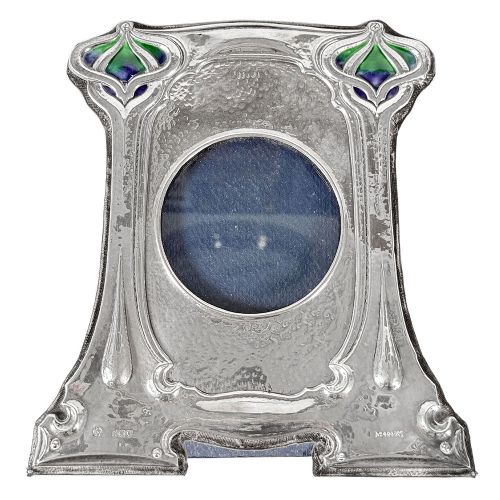
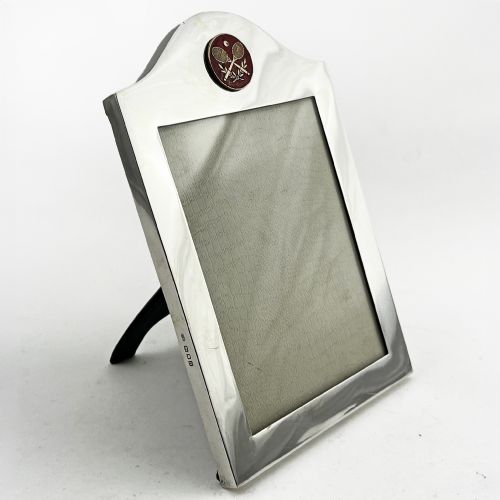
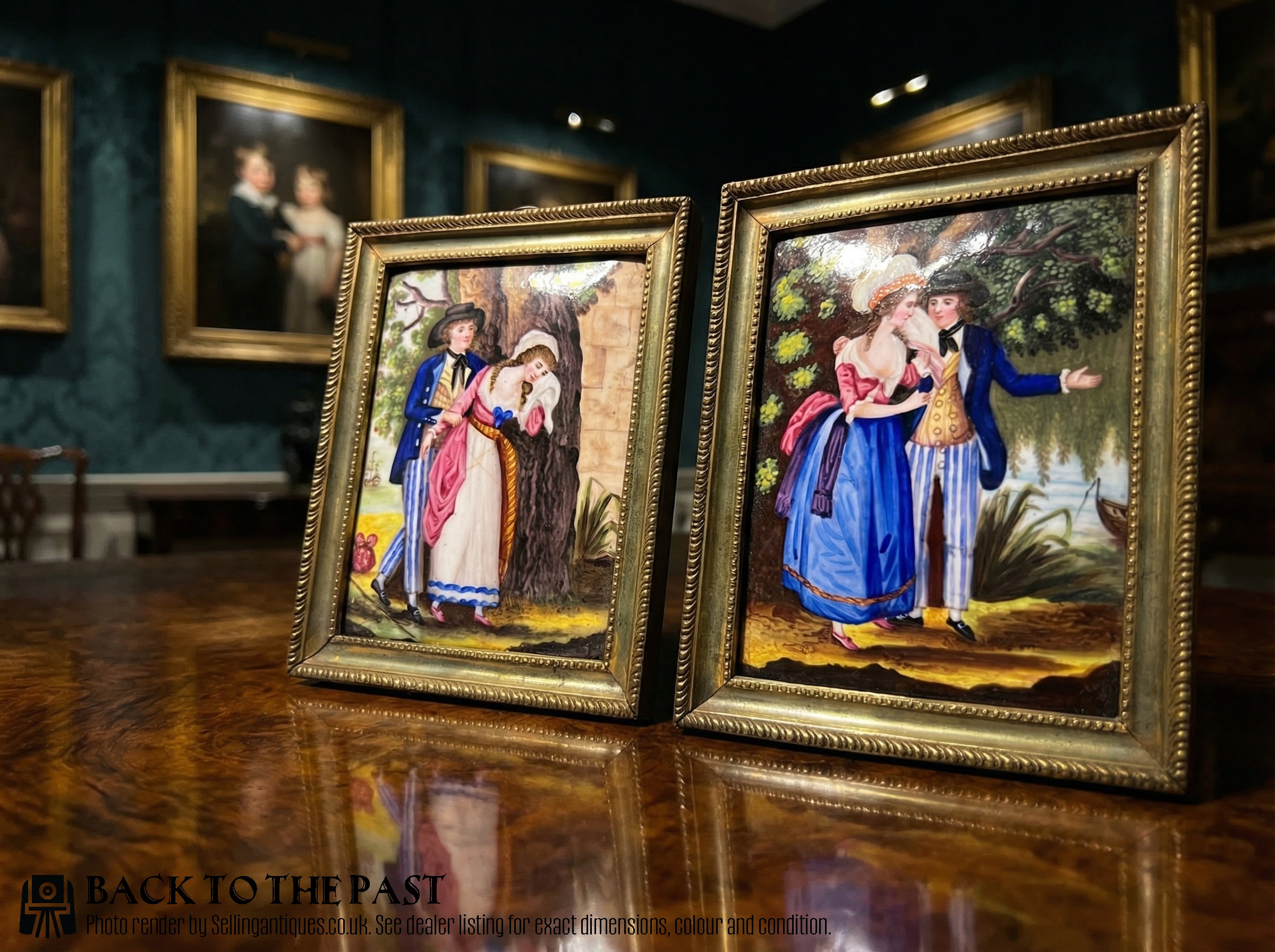
When you search for antique enamel pictures, you encounter a diverse range of objects spanning wall plaques, framed panels, and decorative household items. These pieces showcase vitreous enamel fused onto metal bases such as copper, sterling silver, and gilt bronze. The selection on this page frequently includes framed miniatures, wall plaques from Limoges and Vienna, and decorative picture frames.
The objects date from the eighteenth century through to the early twentieth century, taking in Georgian, Victorian, Edwardian, and Arts and Crafts periods. French and English examples appear regularly alongside Continental European works. Buyers find everything from large wall plaques to small personal lockets and photograph frames incorporating enamelled elements.
Wall plaques and picture frames dominate the current forms, often integrating glass, wood, and precious metals. Many items combine painting with cloisonné or champlevé techniques to create lasting visual depth. Each piece reflects the aesthetic tastes of its specific decade, from ornate French Baroque revivals to restrained Arts and Crafts designs.
Materials and construction methods
Makers applied powdered glass to metal surfaces, typically copper, gold, or silver, before firing the pieces in a kiln to melt the enamel into a smooth, vitreous layer. Champlevé and cloisonné methods involved carving recesses or soldering wire onto the base metal to contain the different coloured enamels. Artisans frequently painted intricate miniature scenes directly onto the fired surface using metallic oxides.
Frames and supports utilised cast gilt bronze, sterling silver, wood, and ormolu to house the delicate enamel panels securely. Many pieces combined enamel with pearl, glass, and precious stones to enhance the overall decorative effect. This combination of fired glass and supportive metalwork ensured the survival of detailed imagery across centuries.
Factors determining quality
The refinement of the painted detail and the complexity of the enamel work dictate the standing of an individual piece. Finer examples display precise brushwork in miniature portraits or narrative scenes, alongside evenly fired surfaces free from excessive pitting or clouding. The execution of the metal mount, whether cast gilt bronze or hand-worked silver, also contributes significantly to the distinction of the object.
The integrity of the original construction and the preservation of the vitreous colours set superior pieces apart from standard manufacturing. Items retaining their original frames, bezels, and backings without modern replacement parts command greater attention. The harmony between the enamel plaque and its surrounding metal housing reveals the skill of the original workshop.
William Hutton and Sons·Samson·Stinton·Royal Worcester·Berlin
The Antique Enamel Pictures Glossary
- Champlevé
- An enamelling technique where troughs or cells are hollowed out of the metal surface and filled with vitreous enamel paste before firing. This method creates bold outlines and deep colour retention within the design.
- Cloisonné
- A decorative work in which enamel, glass, or gemstones are separated by thin strips of metal welded to the backing plate. The resulting grid holds the various coloured pastes in place during the kiln firing process.
- Limoges
- A French city renowned for its production of painted enamel plaques and vessels from the medieval period onwards. Eighteenth and nineteenth-century artists continued this tradition by producing detailed mythological and portrait plaques.
- Ormolu
- Gilded bronze used extensively for furniture mounts, clock cases, and picture frame borders during the eighteenth and nineteenth centuries. The technique involves applying a gold-mercury amalgam to a bronze base.
- Vitreous enamel
- Glass powder melted at high temperatures onto a metal substrate to form a durable, glossy coating. It resists fading and environmental wear, preserving the original pigments for centuries.
Antique Enamel Pictures: Frequently Asked Questions
How do I clean antique enamel?
Clean enamel surfaces gently with a soft, dry cloth to remove dust without scratching the vitreous layer. Avoid harsh chemical cleaners and excessive moisture, particularly around metal bezels and wooden frames.
If the piece requires further attention, consult a professional conservator rather than attempting DIY restoration. Protecting the object from direct sunlight and humidity prevents fading and degradation of the underlying metal.
What is Limoges enamel?
Limoges enamel originates from the French city famous for producing painted enamel plaques and vessels over several centuries. Nineteenth-century examples often feature classical or portrait scenes executed with fine brushwork on copper bases.
These plaques were frequently mounted into decorative frames or displayed independently as wall art. Their rich colour palette and detailed execution make them distinct within collections.
How were picture frames used?
Antique picture frames housed family photographs, painted miniatures, or embroidered panels on desks, dressing tables, and walls. Elaborate metal frames made of gilt bronze or silver served as decorative interior statements during the Victorian and Edwardian eras.
Many incorporated hinged stands or wall-hanging loops to suit different display settings. They protected delicate paper and enamel portraits while adding luxury to domestic spaces.
Are these pieces hand painted?
Many antique enamel items feature hand-painted details created by artists applying metallic oxide pigments onto a fired white enamel ground. Artisans then refired the piece to permanently fuse the paints into the glass surface.
This technique allowed for exceptional detail in miniature portraits and narrative scenes. Close inspection often reveals individual brushstrokes beneath the glossy vitreous finish.
How do I date a piece?
Dating relies on stylistic markers, metal hallmarks, and the construction methods visible on the reverse or frame. Victorian and Edwardian pieces often feature specific British silver assay marks or patented clasp designs.
French pieces from the nineteenth century commonly employ gilt bronze mounts and distinct Napoleon III or Baroque revival motifs. Comparing the materials and subject matter with dated examples helps narrow the period of creation.