



Antique Enamel Compact Mirror
An antique enamel compact mirror offers a pocket-sized masterpiece of metalwork and coloured glass, prized for bringing Art Deco elegance to any dressing table.
Antique Enamel Compact Mirror
When you search for an antique enamel compact mirror, you are looking at small personal accessories designed for face powder and touch-ups, most frequently appearing from the nineteen-twenties and nineteen-thirties. These pieces combine utilitarian functions with decorative artistry, housing mirrors, powder compartments, and sometimes suede linings within hinged metal cases.
The selections available here span from British silver workshops of the early twentieth century to mid-century Italian designs and branded pieces by makers such as Richard Hudnut and Houbigant. Collectors encounter sterling silver, brass, gilt metal, and chrome structures ornamented with vibrant vitreous coatings.
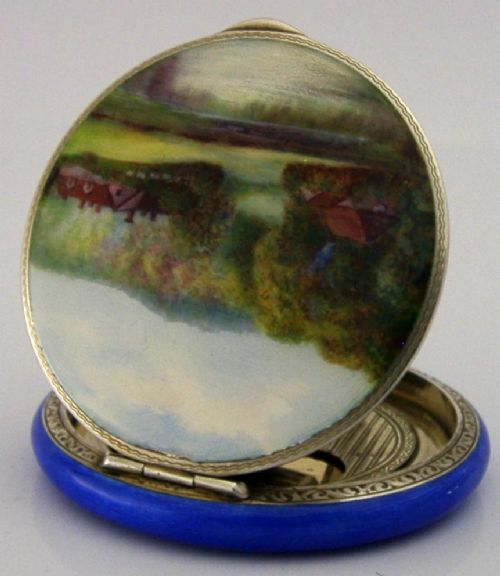
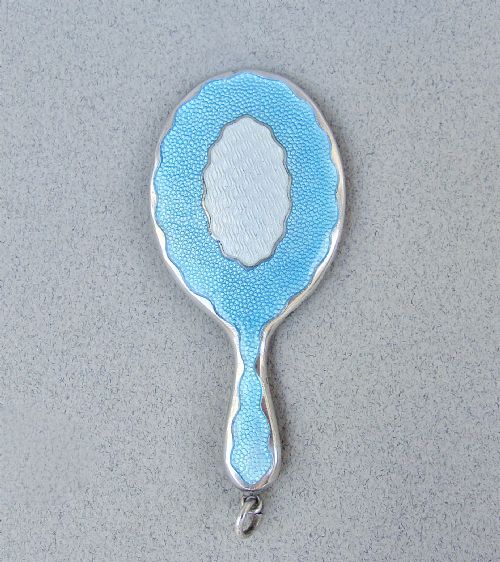
Art Deco styling dominates the physical forms, alongside occasional mid-century Italian expressions from Florence. You will find powder compacts, hand-painted hand mirrors, miniature purse mirrors, and mesh variations that demonstrate the period's love for geometric precision and rich colour.
Materials and construction
Silversmiths and metalworkers built these pieces using sterling silver, brass, gilt metal, and chrome as structural foundations, frequently applying silver-gilt finishes or fine mesh bodies. Vitreous enamel and hand-painted decoration were then fused to the metal surfaces to create glossy, colourful lids.
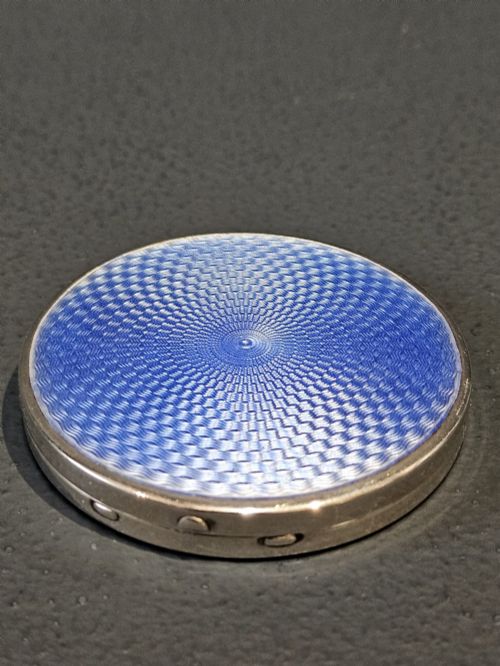
Techniques like guilloché engraving beneath translucent enamel layers provided geometric texture that caught the light, while fitted glass mirrors and interior suede linings completed the functional assemblies.
Antique Enamel Compact Mirror Retail Price Guide 2026
Typical asking prices for enamel compact mirror among the pieces listed under this phrase on Sellingantiques today, from the lower quarter to the upper quarter. They describe what is for sale here now, not the wider market.
Materials recorded across the inventory include sterling silver, brass, gilt metal, chrome, glass, suede, and vitreous enamel.
Distinguishing quality in enamel compacts
Quality rests upon the precision of the metalwork, the clarity and depth of the guilloché engraving, and the condition of the vitreous enamel surface. Pieces bearing clear hallmarks from established silversmiths demonstrate higher standard materials from the outset.
The finesse of hand-painted details and the tightness of the hinged closures further separate standard production items from finer studio or maker-marked examples.
Henry Williamson·Henry Matthews·Evans·Giuliano Spinelli·Richard Hudnut·Houbigant
The Antique Enamel Compact Mirror Glossary
- Guilloché
- A decorative engraving technique that etches precise geometric patterns into metal before a translucent enamel layer is applied over the top. This allows the underlying pattern to shimmer through the coloured glass.
- Vitreous enamel
- A material made by fusing powdered glass to a substrate by firing, usually between seven hundred and eight hundred and fifty degrees Celsius. The resulting glass-like compound provides a durable, glossy surface.
- Silver-gilt
- Sterling silver that has been coated with a thin layer of gold on its exterior surfaces. This finish offers the warm appearance of solid gold while utilising silver as the core metal.
- Mesh
- A flexible fabric formed from interconnected metal rings or links, used here for the flexible body of the compact. It gives the accessory a tactile, fluid drape in the hand.
- Hallmark
- An official stamp applied by an assay office to indicate the purity of a precious metal, the maker, and the year of production. These small marks provide a secure method of dating silver pieces.
Antique Enamel Compact Mirror: Frequently Asked Questions
How were these compacts used originally?
Women carried them in handbags or miniature evening purses for quick cosmetic checks and powder applications during social outings. The decorative exterior made them fashionable accessories to display in public.
Many designs doubled as combination pieces that held coins or lipstick alongside powder, serving multiple practical purposes for evening wear.
How do I date an enamel compact?
Dating relies primarily on metal hallmarks stamped into the silver or base metal, which indicate specific assay offices and production years. Stylistic clues such as geometric Art Deco motifs or mid-century Italian forms also narrow down the era.
Maker signatures on the interior rim or mirror frame provide additional chronological reference points based on the active years of the firm.
How should I display my compact?
These pieces look best resting on dressing tables, vanity trays, or inside glass display cabinets where the colourful enamel lids catch the light. Placing them slightly open can also showcase the internal mirror and lining.
Keep them away from direct sunlight to protect the enamel colours and store them in stable, dry environments to preserve the metal finishes.
What is guilloché enamel?
Guilloché is a specific decorative technique where a machine engraves precise, intricate patterns into a metal base. A translucent coloured enamel is then fired over the engraving so the pattern shows through with optical depth.
This method was widely utilised during the nineteen-twenties and thirties to create shimmering, light-reflective surfaces on vanity items.