



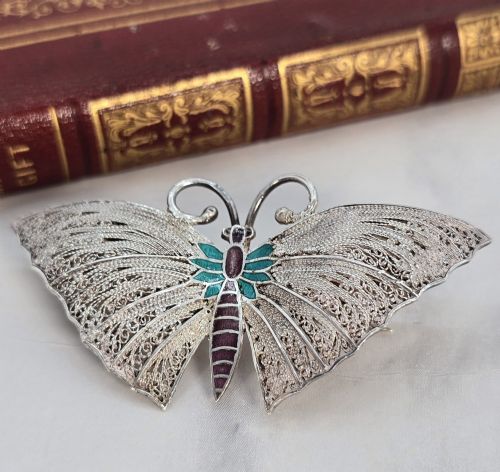


Antique Enamel Badge
These antique enamel badge pieces combine bright vitreous glass with solid silver, offering lasting colour for everyday wear.
Antique Enamel Badge
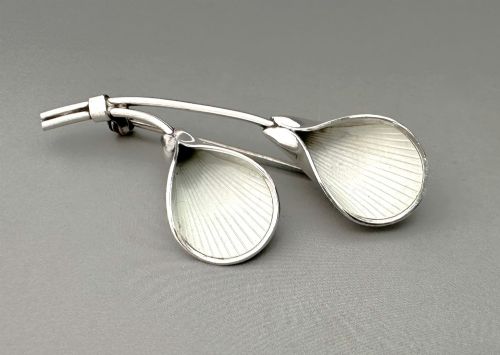
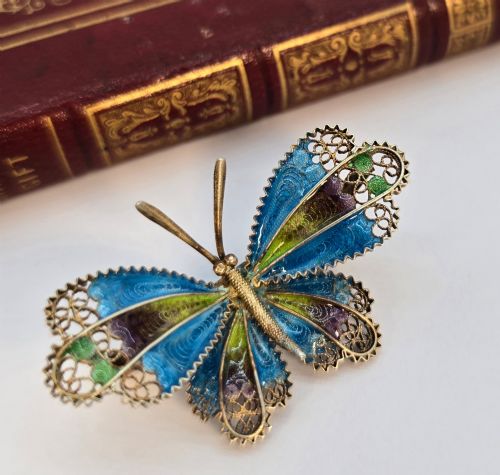
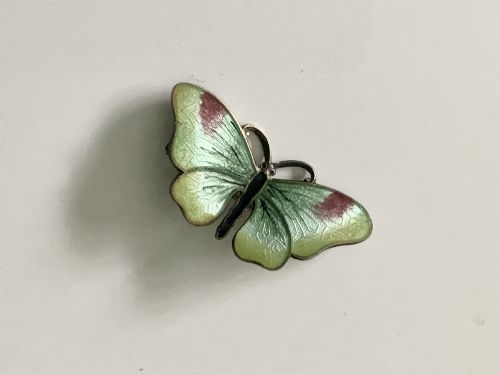
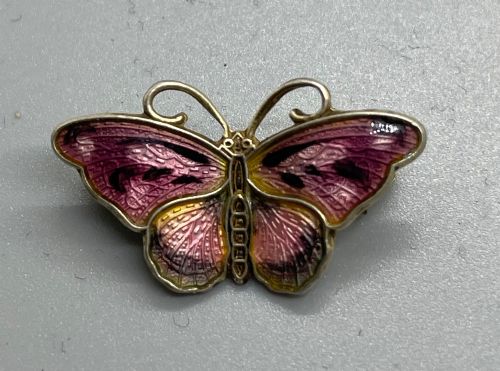
An antique enamel badge brings together small wearable artworks and commemorative markers spanning the Victorian, Edwardian, and Art Deco eras. When searching for an antique enamel badge, buyers encounter silver brooches, butterfly motifs, and occasional commemorative items like the 1936 Olympic visitor piece.
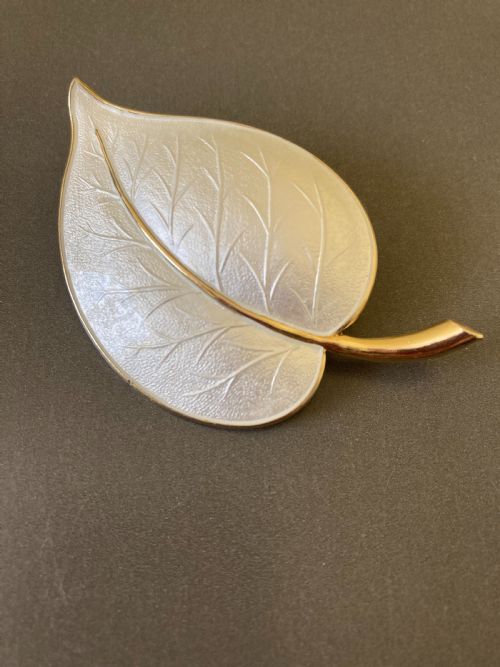
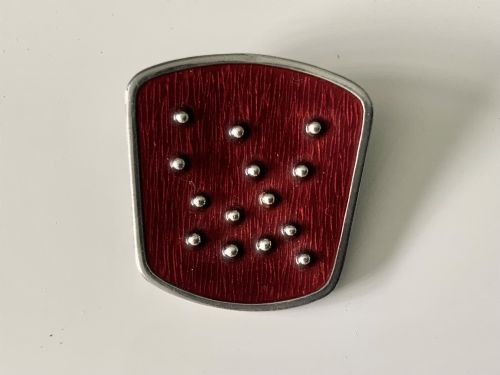
The selection on this page relies heavily on silver and sterling silver settings combined with guilloche or multi-coloured vitreous enamel. Forms range from floral pansies and loving birds to intricate insect brooches and regional Scandinavian pieces.
How they were made
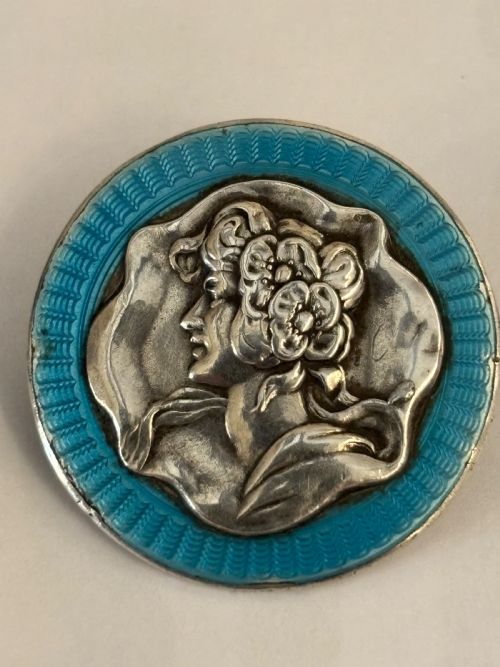
Silversmiths constructed the foundational mounts using sterling silver, silver gilt, or occasionally filigree wire work to hold the glass paste. Artisans applied vitreous enamel by fusing powdered glass onto metal surfaces under high heat, often engraving the underlying silver with guilloche patterns to show through translucent layers.
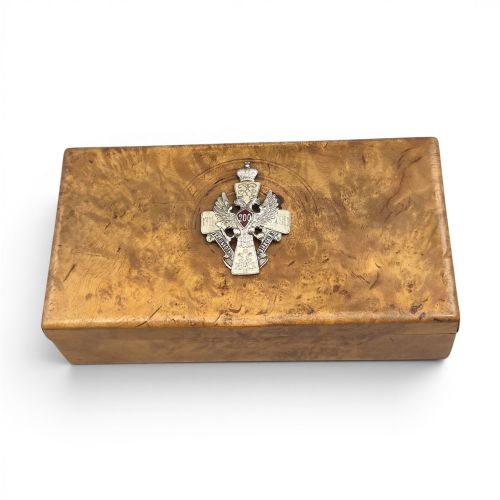
Specialist techniques also encompassed delicate butterfly wing inserts beneath glass, marcasite gemstone accents, and Karelian birch wood housing applied metal insignia. Each method required precise hand assembly by period workshops.
The listings span periods from Victorian and Edwardian times through the 1950s, featuring materials such as sterling silver, silver gilt, and Karelian birch.
What varies in quality
Quality rests upon the clarity and preservation of the glass surface, alongside the crispness of any engine-turned guilloche engraving underneath. Pieces showing smooth, uninterrupted enamel work without stress fractures demonstrate superior craftsmanship.
The complexity of the metal setting also dictates worth, distinguishing simple stamped mounts from detailed filigree frames, articulated Victorian hinges, and heavy silver gilt layers executed by known makers.
A H Darby And Son·Gustav Gaudernack
The Antique Enamel Badge Glossary
- Vitreous Enamel
- Glass powder fused to a metal base through high-temperature firing. This produces a durable, glossy coloured surface that resists fading over decades.
- Guilloche
- Decorative mechanical engraving cut into metal beneath translucent enamel. It creates repeating geometric patterns that catch the light.
- Silver Gilt
- Silver covered with a thin layer of gold. It provides the warm tone of gold while utilising a silver core.
- Marcasite
- Small polished pyrite crystals faceted and set into silver mounts. They sparkle quietly to frame the enamel panels.
- Filigree
- Delicate wire work formed into open lace-like patterns. Makers solder these fine metal threads together to support enamel details.
Antique Enamel Badge: Frequently Asked Questions
How do I clean my silver and enamel brooch?
Use a soft, dry cloth to remove dust from the silver frame. Avoid liquid jewellery dips, as chemical cleaners can seep beneath the enamel or damage vulnerable butterfly wing materials.
Store each piece separately in a lined box to prevent scratching the glass surface against other metal items.
Are these badges meant to be worn daily?
Most pieces function well as dress accessories for occasional wear. The glass enamel remains resilient, but sharp impacts can chip the vitreous surface.
Pin them securely through heavy weaves rather than delicate silks to protect the fabric and the pin mechanism.
How can I tell an Edwardian piece from Art Deco?
Edwardian designs often feature softer floral motifs, naturalistic pansies, and organic shapes tied to the Art Nouveau movement. Sterling silver settings are light and intricately wired.
Art Deco examples lean towards geometric symmetry, sharp lines, and stylised insect forms with clean guilloche patterns underneath transparent enamel.
What is butterfly wing jewellery?
This technique uses real morpho butterfly wing fragments mounted beneath bevelled glass to create an iridescent blue background. Artisans painted miniature scenes over the wing scales.
These pieces emerged during the early twentieth century and require careful protection from direct moisture.