


Antique Empire Cabinet
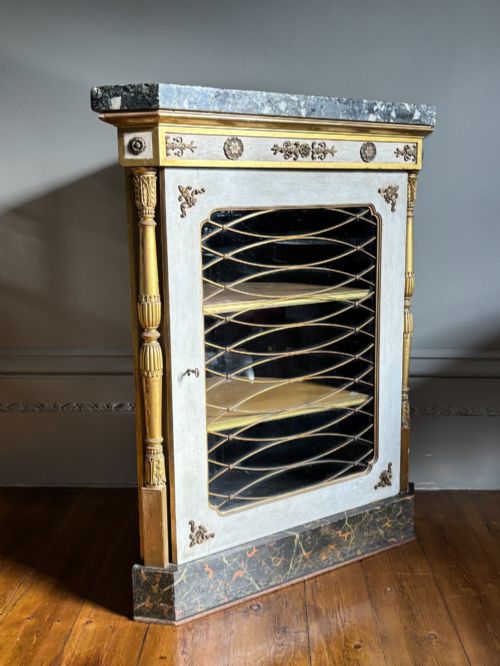
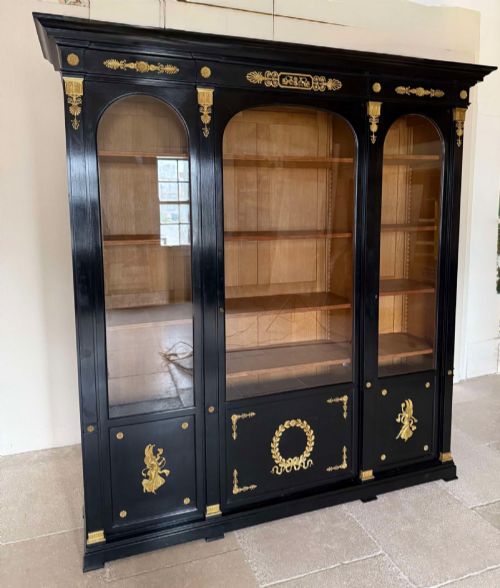
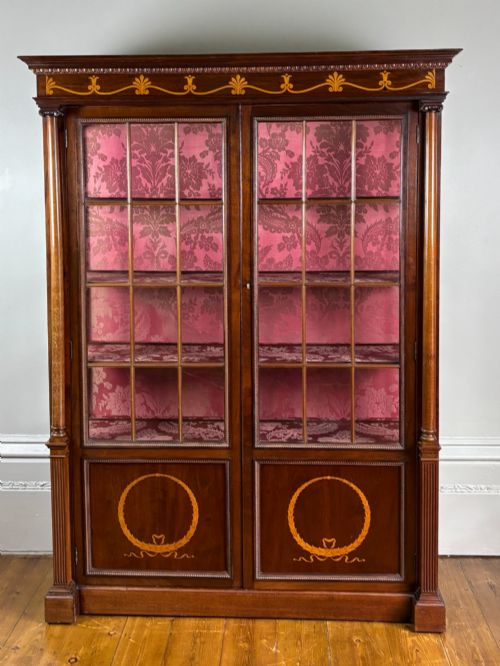
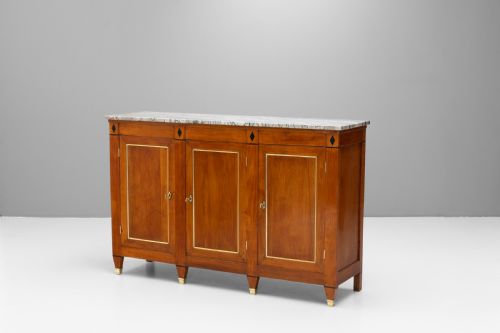
An antique empire cabinet brings architectural presence and rich mahogany or rosewood surfaces into a room, framed by classical columns and polished ormolu mounts.
Antique Empire Cabinet
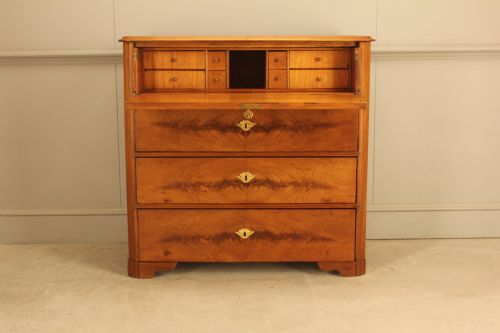
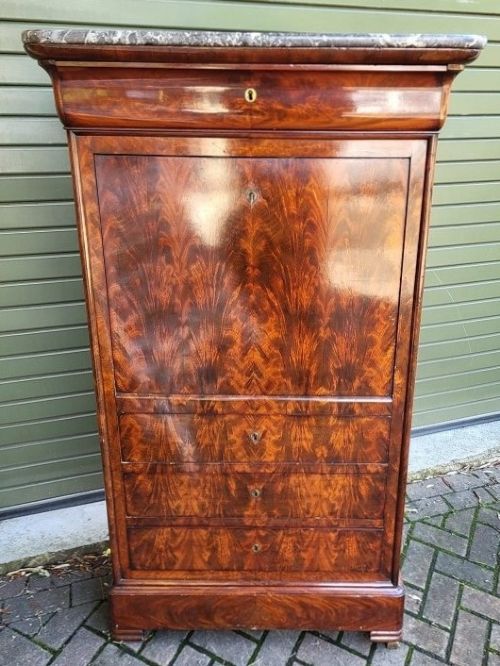
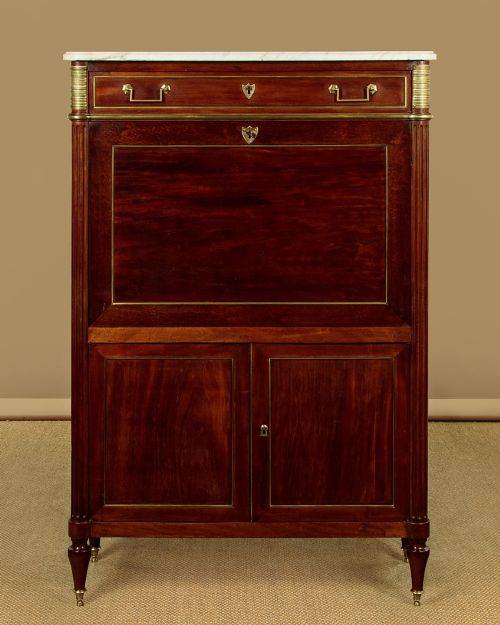
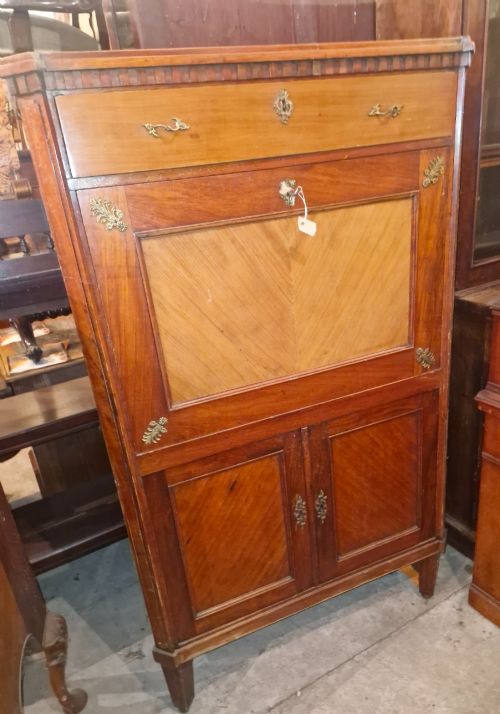
An antique empire cabinet encompasses tall bookcases, secretaire abattants with drop-down writing desks, and low bedside units originating primarily from nineteenth-century France, Britain, and Sweden. These pieces draw on classical motifs, featuring severe geometric lines alongside warm timber grains.
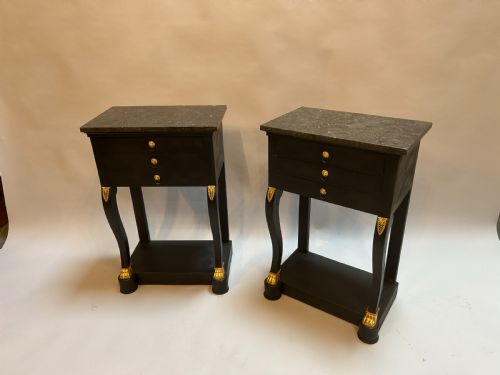
The selection on this page most frequently highlights French Empire and Napoleon III designs, alongside Regency and Victorian interpretations of the style. Buyers encounter everything from grand library bookcases to compact marble-topped bedside cabinets and chiffoniers.
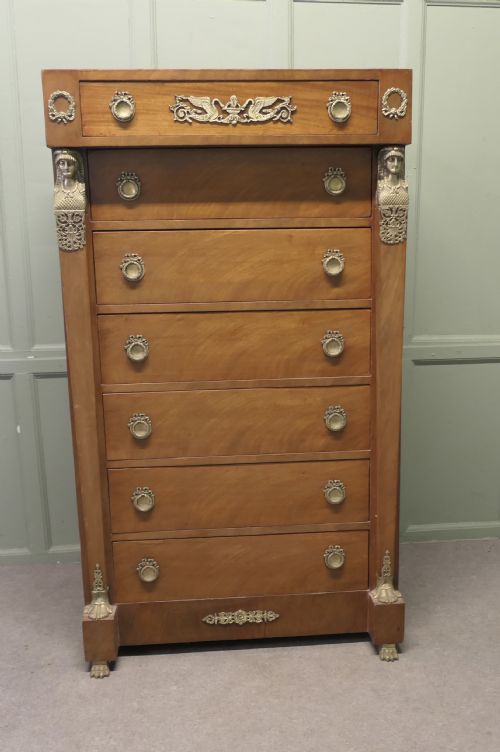
Forms vary from narrow pier cabinets and corner cupboards to wide chests of drawers and display pieces fitted with glass doors. The common thread remains the heavy classical influence, often articulated through architectural pediments and dark timbers.
What varies in quality
Quality rests in the crispness of the cast ormolu mounts and the depth of figure in the mahogany or rosewood veneers. Finer examples display meticulously chased bronze work that retains its original fire gilding rather than dull, flat plating.
The structural integrity of the carcase and the precision of the internal mechanism, particularly on drop-front secretaires and close-fitting drawers, separate standard production from superior workshops. Original marble tops free from hairline fractures and matching timber selections across multi-door bookcases also elevate a piece.
Antique Empire Cabinet Retail Price Guide 2026
Typical asking prices for empire cabinet among the pieces listed under this phrase on Sellingantiques today, from the lower quarter to the upper quarter. They describe what is for sale here now, not the wider market.
Several secretaire cabinets conceal tiny secret drawers behind hidden spring catches, guarding private nineteenth-century correspondence.
Mercier Frères·Darte Brothers
The Antique Empire Cabinet Glossary
- Ormolu
- Gilded bronze applied to furniture as decorative mounts and feet. The technique involves applying a mercury and gold amalgam to cast bronze before heating.
- Secretaire à abattant
- A tall cabinet featuring a hinged drop-front panel that opens to reveal a writing surface and small pigeonholes or secret drawers. This form became popular for compact studies during the nineteenth century.
- Boulle
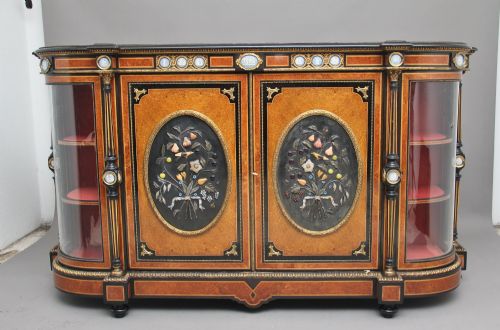
- A form of marquetry consisting of tortoiseshell and brass inlaid in contrasting patterns. It is frequently seen on Napoleon III ebonised cabinets.
- Commode
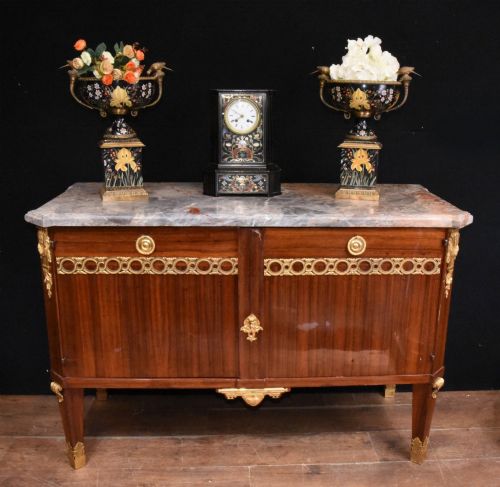
- A low French chest of drawers or cabinet designed with a flat top, often finished in marble. These pieces typically stand on short legs and serve both storage and display functions.
- Chiffonier
- A multi-purpose sideboard or tall cabinet featuring shelves and cupboards. The form evolved during the nineteenth century to store linens, books, or tableware.
Antique Empire Cabinet: Frequently Asked Questions
What is an empire cabinet?
An empire cabinet is a piece of nineteenth-century furniture defined by neoclassical symmetry, architectural columns, and dark wood veneers.
These cabinets often feature contrasting ormolu mounts and marble tops, reflecting the formal tastes of the French Empire and Regency periods.
How do I use a secretaire cabinet?
A secretaire cabinet contains a hinged writing flap that pulls down to form a desk surface.
Inside, you will find small drawers and compartments designed for stationery, allowing the cabinet to function as both a storage unit and a writing desk.
Where should I place an empire cabinet?
These cabinets suit formal drawing rooms, libraries, or hallways where their architectural proportions can command the space.
Smaller bedside variants work well beside low beds, while tall bookcases anchor large walls and display collections behind glass.
How do I distinguish French Empire from Regency?
French Empire pieces typically exhibit heavier ormolu mounts, bolder architectural cornices, and deep mahogany or ebonised surfaces.
Regency examples from Britain often incorporate lighter rosewood, brass inlay, and slightly more restrained classical ornamentation.