





Antique Emperor Portrait
An antique emperor portrait captures historical rulers in media ranging from carved marble to painted silk, offering a tangible link to imperial power.
Antique Emperor Portrait
When you search for an antique emperor portrait, you encounter a diverse range of depictions spanning multiple centuries and global empires. These pieces capture figures from Roman antiquity, the Holy Roman Empire, Chinese dynasties, and modern monarchies.
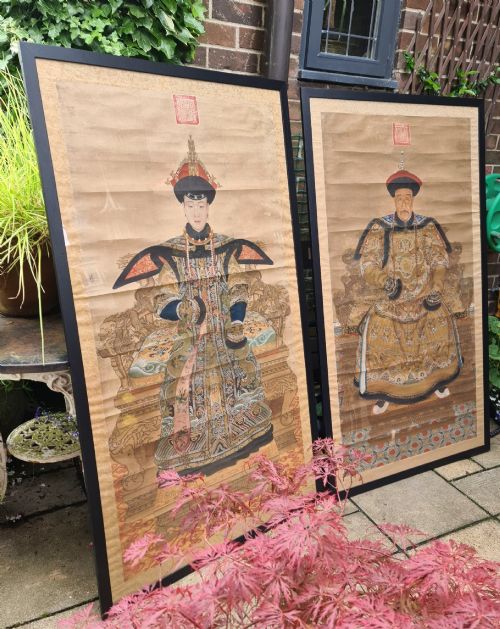
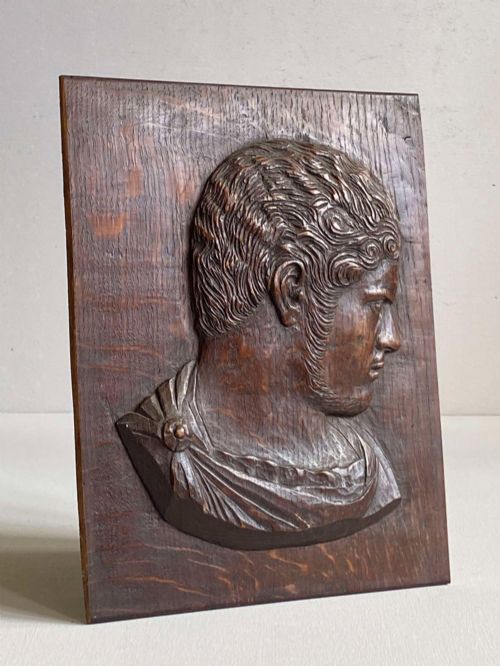
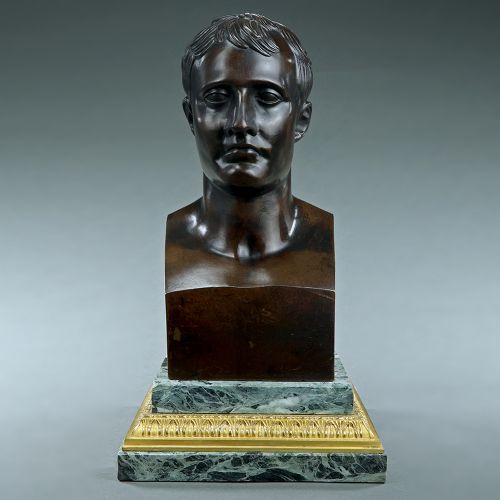
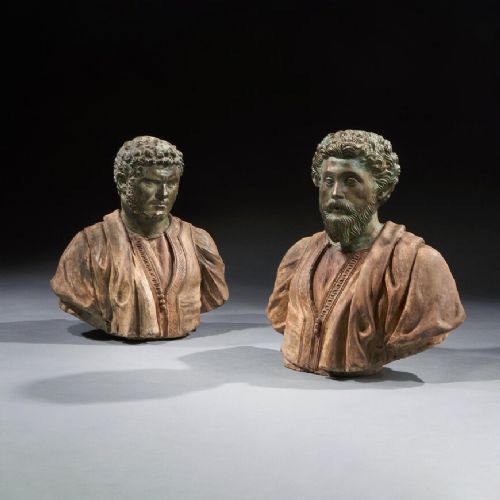
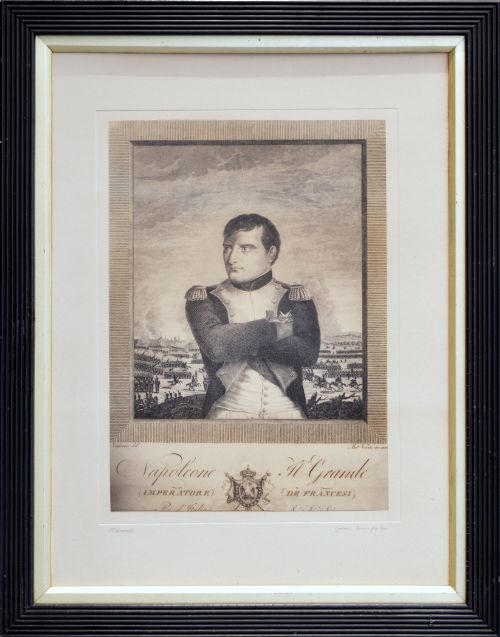
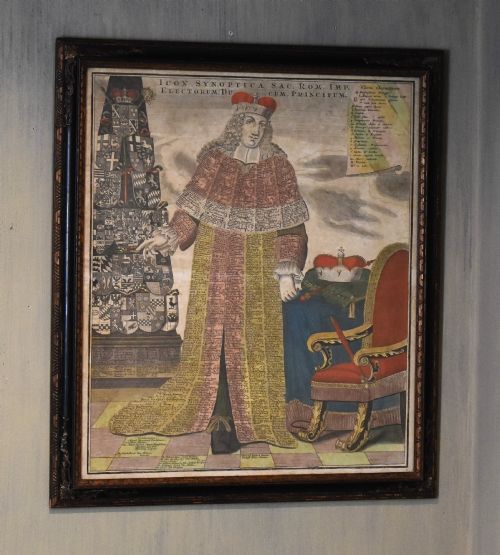
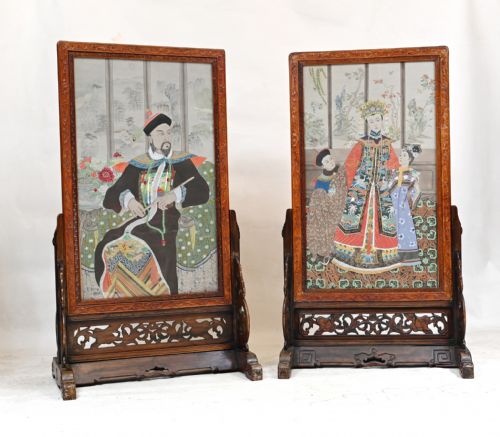
The objects on this page take various forms, including painted scrolls, framed prints, sculptural busts, and woven silk screens. Sculptural interpretations often feature Roman Caesars or Napoleon, while Asian traditions appear through imperial scrolls and reverse glass paintings.
Origins stretch from European workshops to Chinese and Mughal courts, reflecting different cultural approaches to portraying sovereign authority. Pieces date from pre-sixteenth century fragments up to twentieth-century realist works.
Materials and methods of creation
Flat artwork employs paper, silk, and wood as substrates, combined with paint, print techniques, and woven textile threads. Scroll paintings and reverse glass panels demonstrate traditional Asian pictorial methods, while European pieces utilise printmaking and oil or watercolour pigments.
Antique Emperor Portrait Retail Price Guide 2026
Typical asking prices for emperor portrait among the pieces listed under this phrase on Sellingantiques today, from the lower quarter to the upper quarter. They describe what is for sale here now, not the wider market.
Several emperors share shelf space with deities and immortals, proving that even celestial beings appreciated a good portrait.
Distinctions in execution and material
Quality separates through the finesse of the carving or brushwork, distinguishing finely detailed marble bas-reliefs and expressive portrait miniatures from simpler mass-produced plaster casts or standard prints. The handling of expression in a bust or the intricacy of silk weaving dictates the visual impact.
The choice and integrity of the primary material also define the tier of the piece, with solid carved marble, delicate glass paste, and hand-painted silk representing high craftsmanship compared to standard wood and paper compositions.
Mathurin Moreau·Edward Bainbridge Copnall
The Antique Emperor Portrait Glossary
- Bas-relief
- A sculptural technique where the figures project slightly from a flat background, common in marble cameo portraits of Roman emperors.
- Reverse glass painting
- An artwork created by applying pigment to the back of a glass panel and viewing the finished image through the front.
- Scroll painting
- A flexible pictorial artwork on paper or silk designed to be rolled up when not displayed.
- Grand Tour
- A cultural journey of Europe undertaken by wealthy young men in the eighteenth and nineteenth centuries, often resulting in the acquisition of souvenir carvings.
- Glass paste
- A vitreous material melted and cast into moulds to imitate carved gemstones or cameos.
Antique Emperor Portrait: Frequently Asked Questions
How are emperor portrait busts displayed?
Sculptural busts require a stable surface such as a heavy desk, console table, or dedicated column to support their weight safely.
Positioning them away from direct sunlight and moisture protects materials like painted plaster, wood, and marble from degradation.
What periods do these portraits cover?
The selection spans from pre-sixteenth century fragments through eighteenth and nineteenth-century neoclassical revivals up to mid-twentieth-century works.
Earlier pieces often reflect classical Roman or Mughal traditions, while later items encompass Victorian Staffordshire pottery and twentieth-century realism.
Are imperial scrolls painted or printed?
Imperial scrolls documented in the listings are executed as hand-painted works on traditional supports like silk and paper.
These pictorial objects often depict ancestral figures or Taoist immortals within courtly settings.
What is a Grand Tour souvenir?
Grand Tour souvenirs were portable artworks purchased by travellers in Italy during the eighteenth and nineteenth centuries to commemorate their education and travels.
These typically include finely carved marble cameo bas-relief profile portraits of Roman emperors.