



Antique Elm Drawers
Antique elm drawers bring warmth and distinct grain patterns into a room, offering practical storage through pieces built across centuries.
Antique Elm Drawers
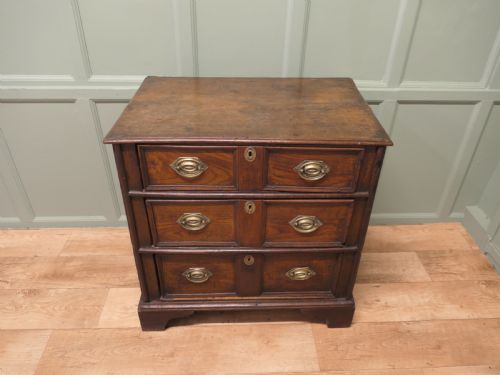
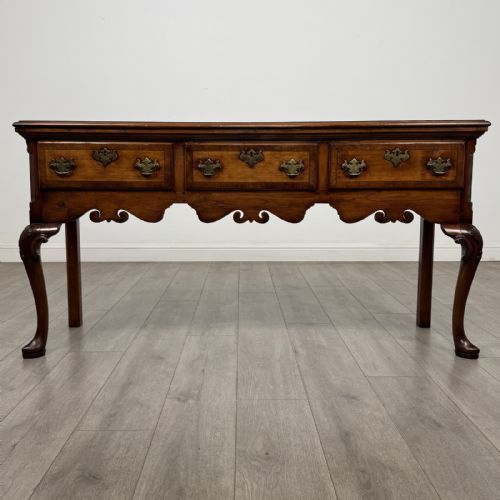
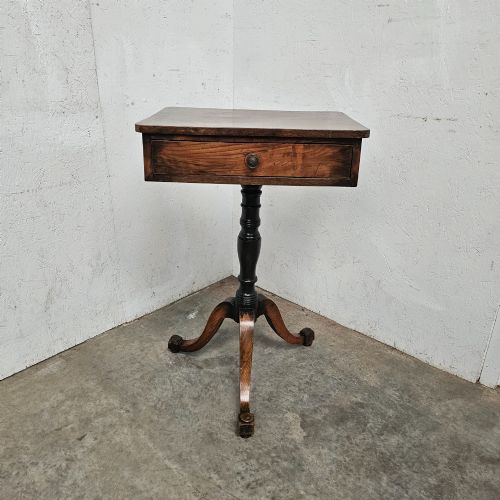
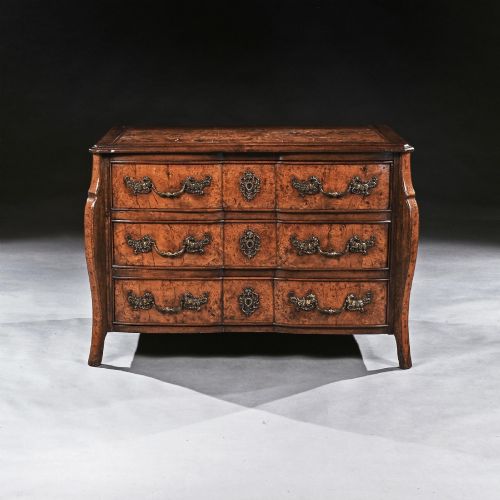
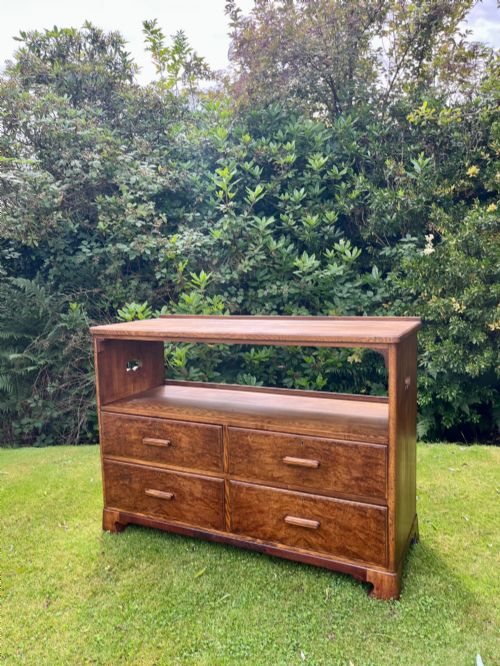
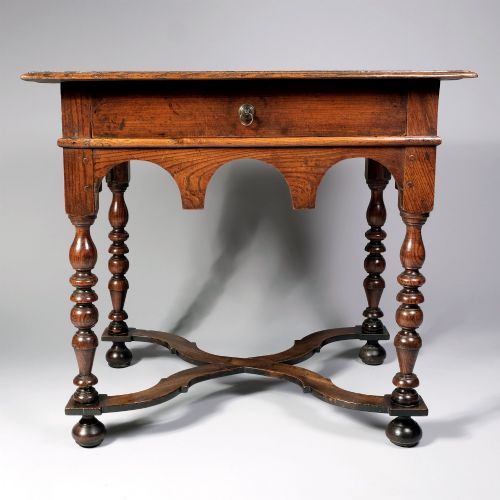
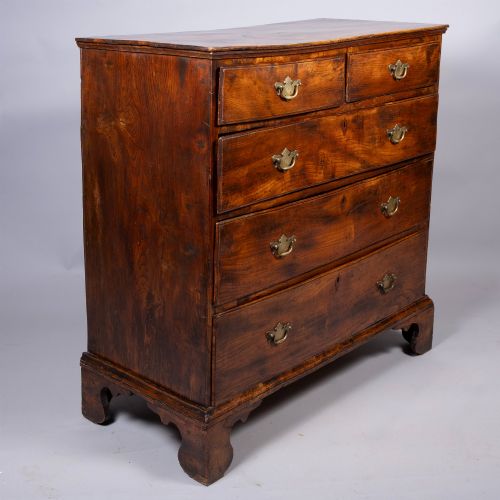
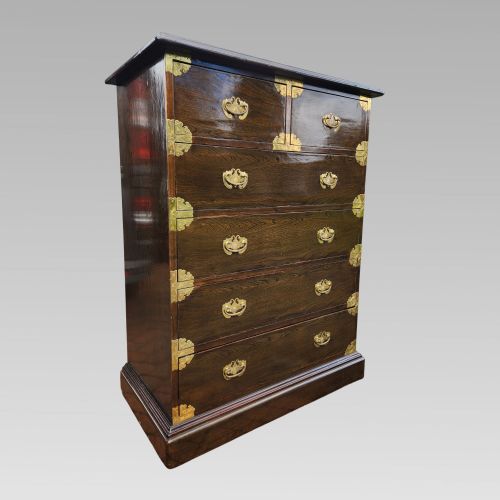
When you search for antique elm drawers, you encounter a varied selection of storage furniture spanning several hundred years. The pieces on this page range from English country furniture and Georgian chests to Chinese provincial cabinets and Scandinavian commodes.
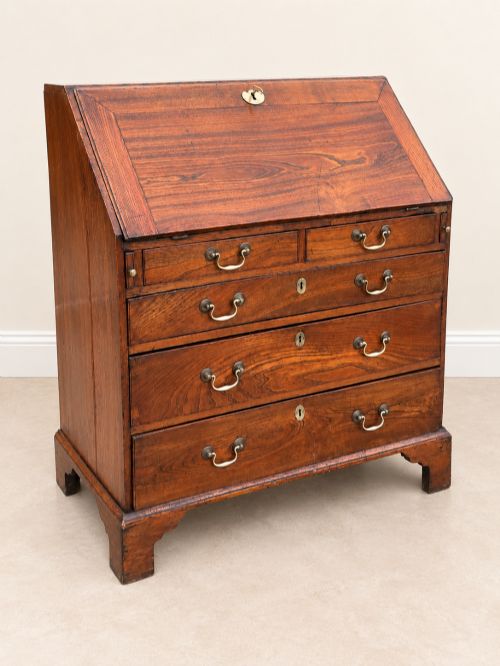
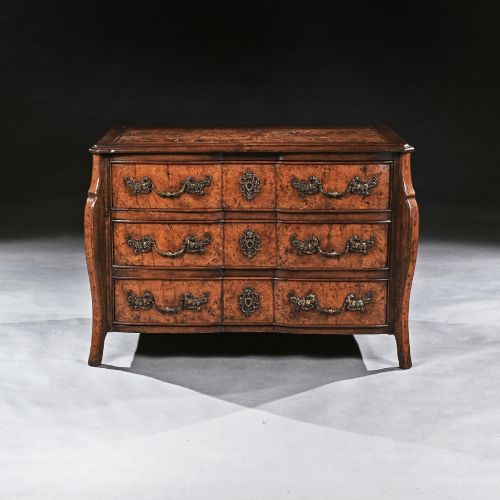
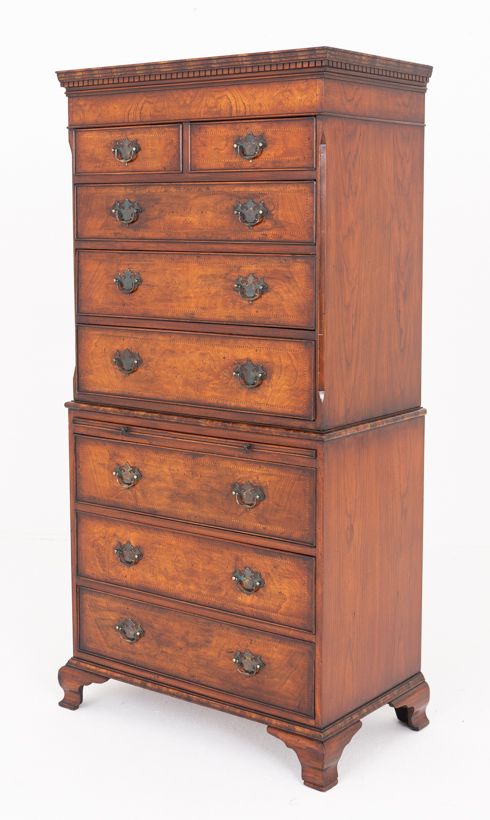
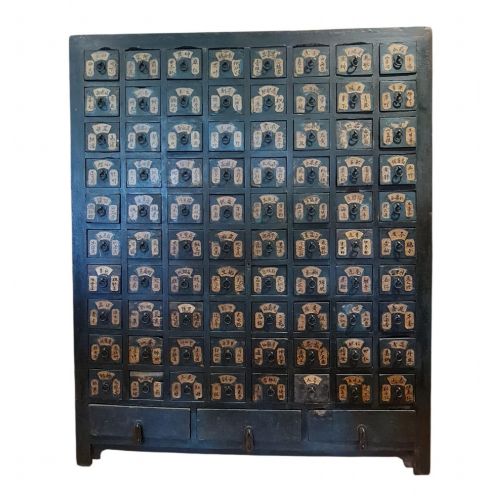
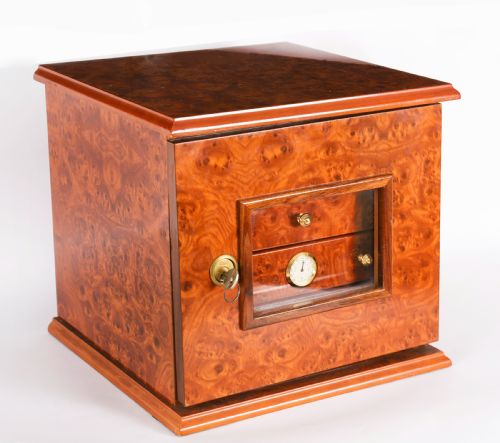
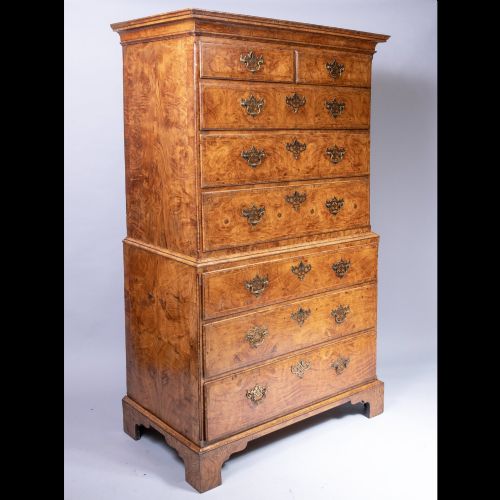
Chest of drawers forms dominate the selection, appearing alongside bureaus, tallboys, and apothecary cabinets with numerous small drawers. European examples often utilise burr elm for striking figured surfaces, while Asian pieces showcase traditional joinery in native timber.
The dates stretch from the late seventeenth century through the Georgian era and into the twentieth century. Buyers find both formal vernacular designs and regional pieces reflecting distinct local cabinet-making traditions.
How they were made
Cabinet-makers constructed these pieces primarily using solid elm and burr elm, frequently combining them with secondary woods like oak. Brass handles, escutcheons, and hinges provide functional contrast to the rich, figured grain of the timber.
Surfaces often receive polish or lacquer to protect the wood and highlight its natural patterns. Some pieces incorporate metal details or leather writing inserts, particularly on desks and bureaus.
Antique Elm Drawers Retail Price Guide 2026
Typical asking prices for elm drawers among the pieces listed under this phrase on Sellingantiques today, from the lower quarter to the upper quarter. They describe what is for sale here now, not the wider market.
What varies in quality
Quality rests heavily on the selection of the timber, particularly where burr elm or highly figured grain creates complex visual patterns across drawer fronts. The crispness of carved details and the retention of original brass hardware elevate certain pieces above standard vernacular items.
Construction methods also separate the output of skilled urban workshops from simpler provincial work. Precision in dovetailing, smooth drawer action, and the stability of the timber over centuries define the superior examples.
Whytock and Reid
The Antique Elm Drawers Glossary
- Burr elm
- A growth deformity in the elm tree that produces highly figured, swirling wood grain prized for decorative veneer and drawer fronts.
- Tallboy
- A tall chest of drawers consisting of one chest stacked upon another, originating in the late seventeenth century.
- Bureau
- A desk with a sloping flap that opens to reveal internal compartments and small drawers, often positioned above larger exterior drawers.
- Tansu
- A traditional Japanese mobile storage chest built in sections, frequently featuring numerous drawers and iron mounts.
- Commode
- A low French or continental chest of drawers, often featuring shaped fronts and decorative mounts.
Antique Elm Drawers: Frequently Asked Questions
Where were these pieces made?
The pieces originate from diverse workshops across Britain, continental Europe, Scandinavia, and China. Each region applied distinct construction methods and design styles to the timber.
European examples often follow Georgian or provincial trends, whereas Asian pieces display traditional joinery and hardware specific to their provinces.
How do I care for antique elm furniture?
Maintain stable humidity levels in your room to prevent the elm timber from splitting or warping over time. Avoid placing the furniture near direct heat sources or strong sunlight.
Apply occasional appropriate wax polish and buff gently with a soft cloth to nourish the wood surface and preserve its natural sheen.
What is an apothecary chest?
An apothecary chest is a specialised cabinet containing numerous small drawers designed for storing medicinal herbs, powders, and ingredients. Chinese examples frequently feature dozens of individually labelled small compartments.
These pieces offer a striking visual grid pattern that contrasts with standard domestic chests of drawers.