
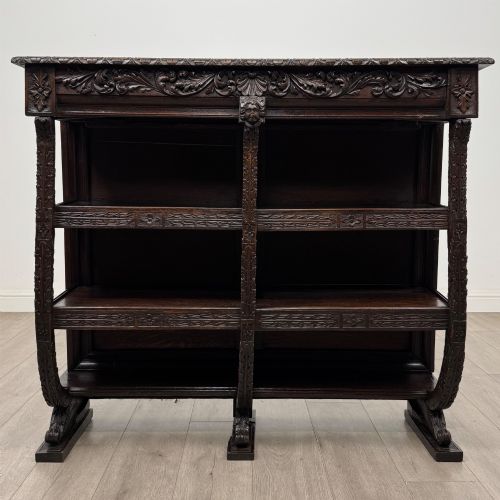
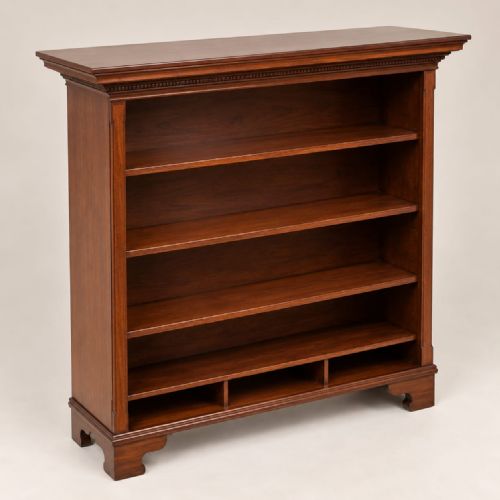
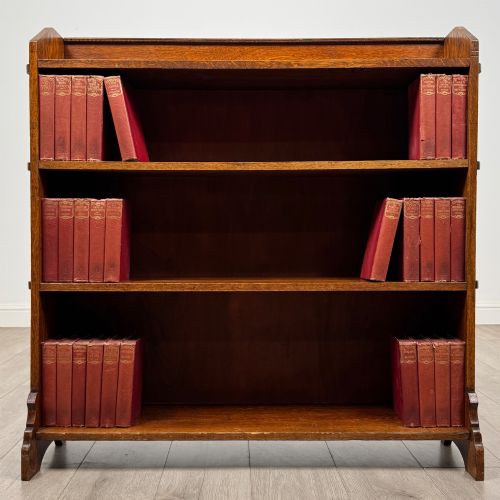
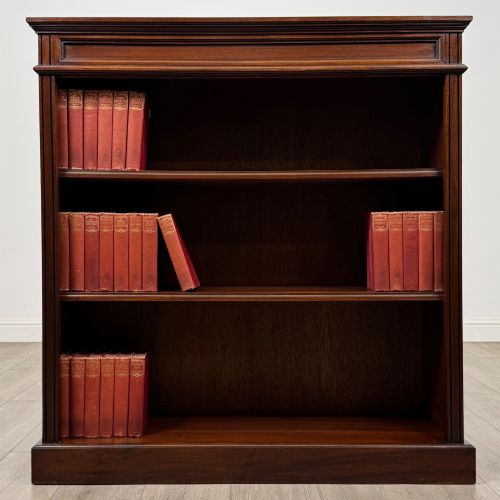
Antique Edwardian Shelving
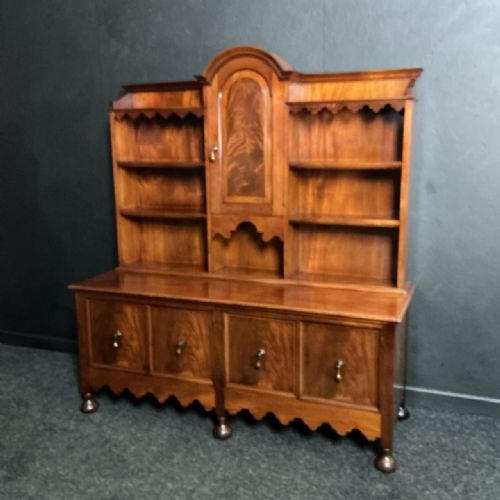
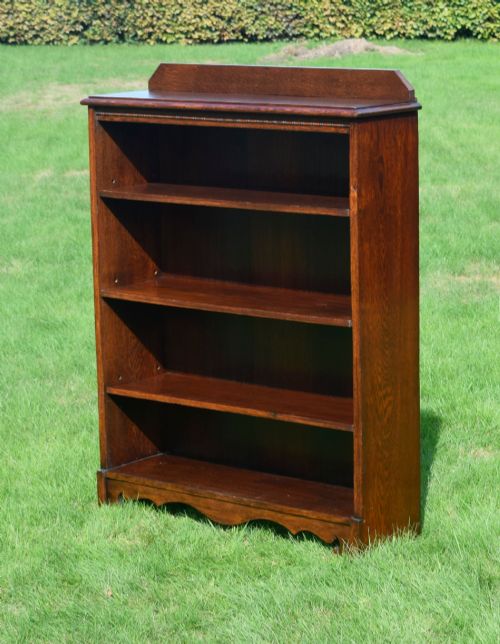
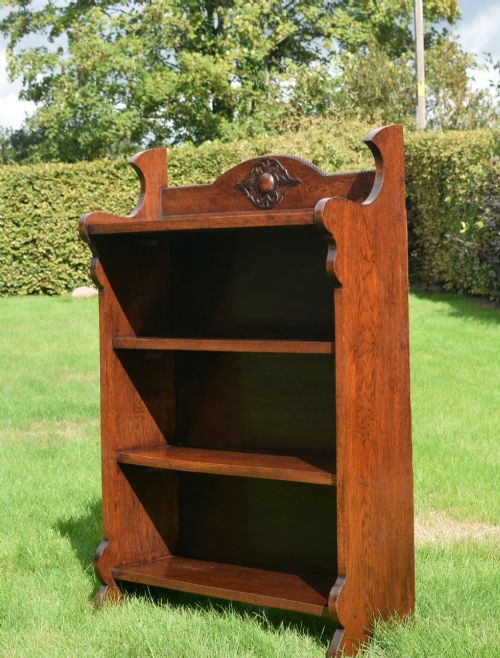
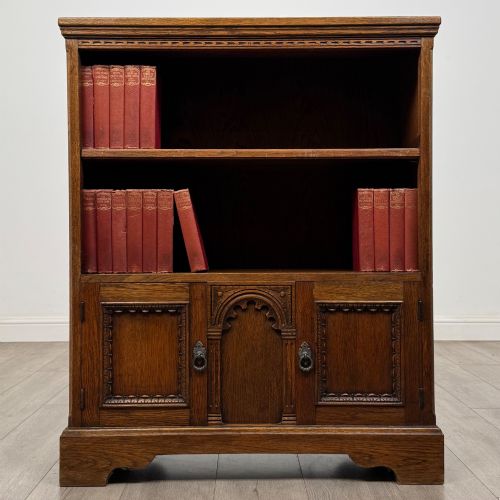
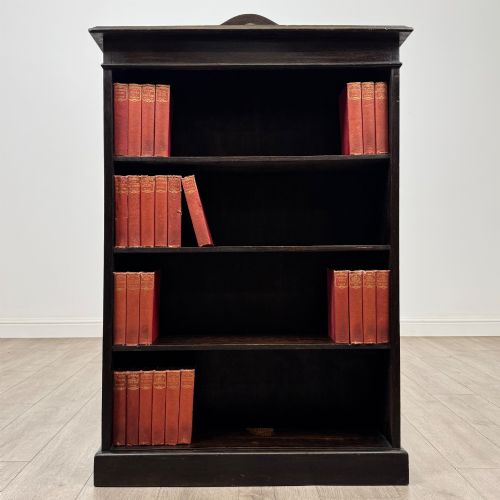
Antique Edwardian shelving brings together open bookcases, wall shelves, and cabinets crafted in oak, mahogany, walnut, and brass for domestic display.
Antique Edwardian Shelving
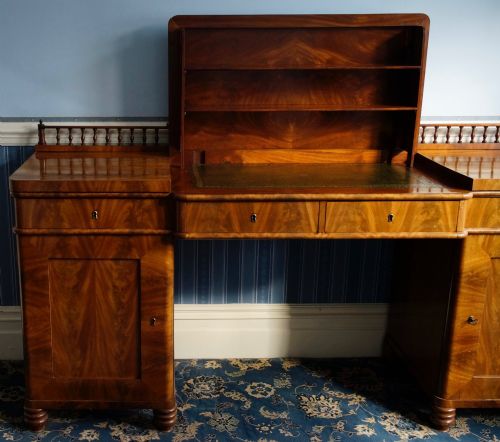
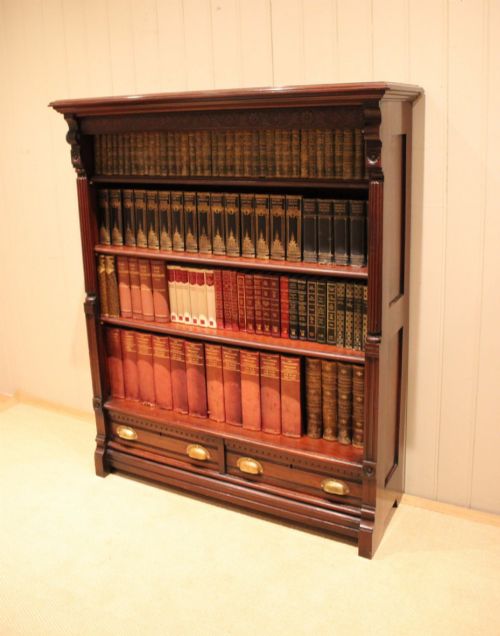
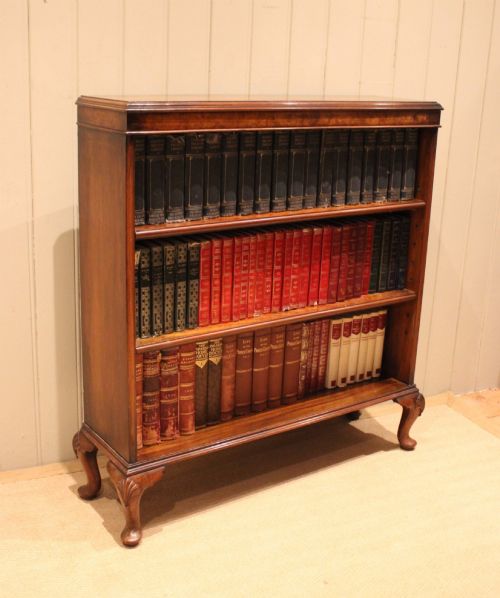
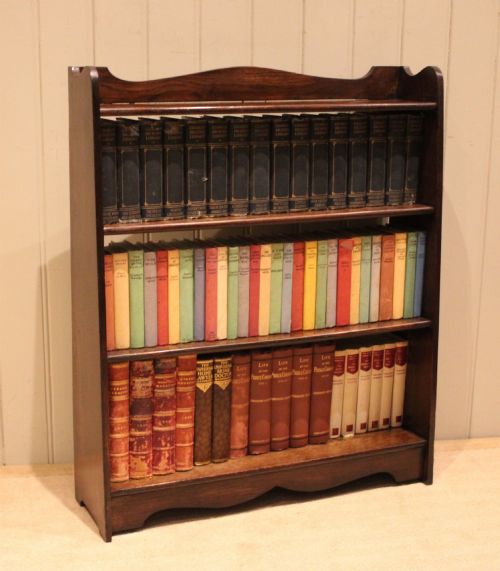
When you search for antique edwardian shelving, you encounter open bookcases, wall hanging shelves, and etagere forms originating primarily from the Edwardian period and the early twentieth century, alongside late Victorian precursors. These pieces serve to store books and display ornaments within domestic rooms.
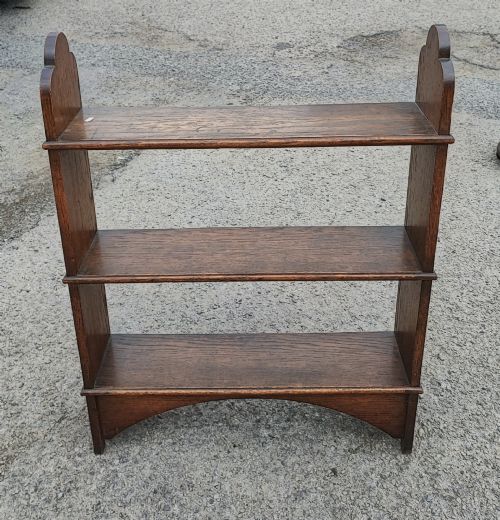
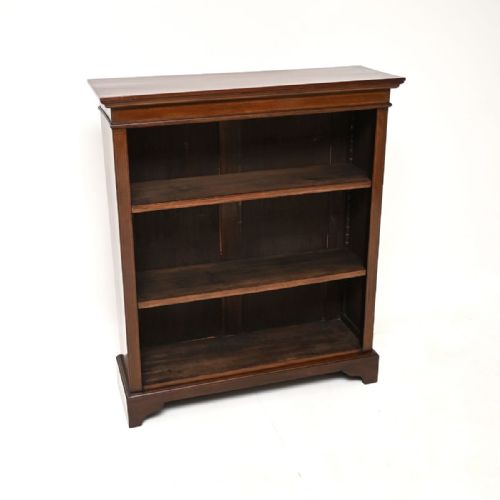
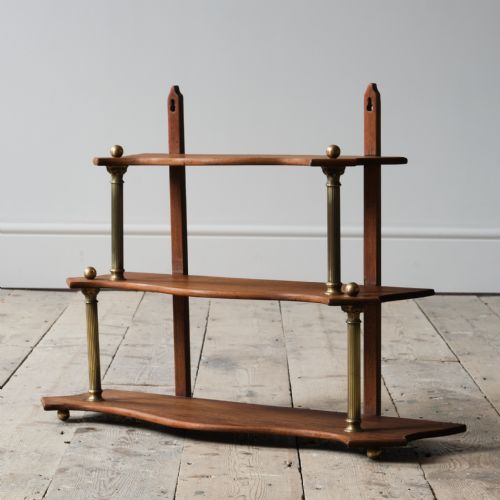
The most common formats on this page are open bookcases in oak and mahogany, often featuring adjustable shelves. You also find specialised pieces such as wall shelves with brass fixtures, mirrored wall units, and Arts and Crafts designs.
Origins span standard domestic furniture production of the early twentieth century, incorporating revival styles like Jacobean and Georgian alongside the simpler lines of the Arts and Crafts movement.
Materials and construction methods
Construction relies heavily on solid timber and veneers, principally oak and mahogany, complemented by walnut, burr walnut, satinwood, and rosewood. Brass hardware, including castors and wall brackets, frequently accompanies these woods.
Carpenters utilised framing techniques suited to open shelving and cabinetry, incorporating adjustable shelf mechanisms, carved details, beaded edges, and inlaid marquetry where stylistic choices dictated.
A tiny mirror with shelves ensures you check your hat whilst selecting a novel.
Distinctions in quality
Quality rests upon the selection of timber, such as figured burr walnut or golden oak, and the precision of inlaid details and carved elements. Pieces exhibiting thoughtful proportion and integrated brass fittings stand apart from standard utility items.
The structural integrity of the shelving supports, the smoothness of adjustable mechanisms, and the condition of original finishes distinguish finer examples from simpler workshops productions.
Heals
The Antique Edwardian Shelving Glossary
- Bookcase
- A piece of furniture with horizontal shelves for storing books. Many examples on this page are open-fronted rather than glazed.
- Etagere
- A set of open shelves for small objects and ornaments. These typically feature slender supports and decorative frames.
- Inlay
- A technique where pieces of contrasting wood or other materials are inserted into the primary surface to form a design. This appears frequently on mahogany furniture from the period.
- Waterfall bookcase
- A shelving unit where each successive shelf is shallower than the one below it, creating a stepped profile.
- Tiger oak
- Oak timber marked by distinctive flecked medullary rays resembling tiger stripes. This figure is prized in Arts and Crafts and Victorian furniture.
Antique Edwardian Shelving: Frequently Asked Questions
What defines Edwardian shelving?
Edwardian shelving comprises open bookcases, wall units, and etageres made predominantly between eighteen ninety and nineteen twenty. These items emphasise domestic utility and lighter proportions than their Victorian predecessors.
They utilise woods like oak and mahogany, frequently incorporating adjustable shelves and modest decorative inlays.
Are shelves usually adjustable?
Many open bookcases and shelving units from this era feature adjustable shelves supported by pegs or metal tracks. This allows storage for books of varying heights.
Fixed shelves also appear, particularly in smaller wall-hanging formats or specialised display pieces.
How do I style these shelves?
These pieces suit both traditional and contemporary interiors as functional storage for books and display space for ceramics or plants. Their modest footprints make them suitable for studies, hallways, and living rooms.
Matching the timber tone to existing room elements helps integrate the piece smoothly.
What is Arts and Crafts shelving?
Arts and Crafts shelving reflects a design philosophy prioritising visible construction, simple forms, and honest materials. These pieces are usually executed in plain or golden oak.
They avoid excessive ornamentation, letting the natural grain and sturdy joinery form the primary visual appeal.