
Antique Edwardian Seating
Antique edwardian seating brings together formal dining sets, heavy oak benches and low rush-seated armchairs from the early twentieth century.
Antique Edwardian Seating
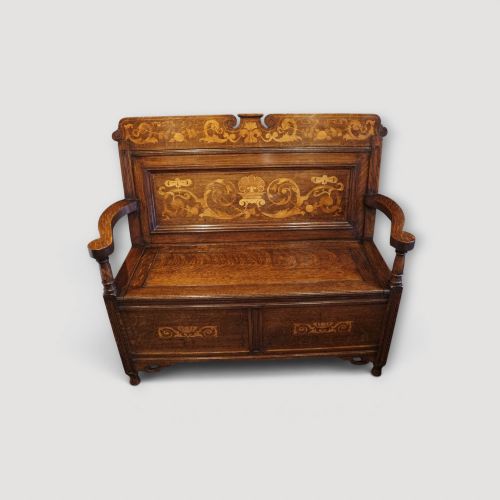
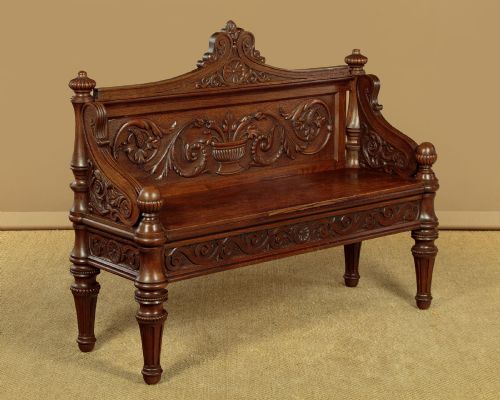
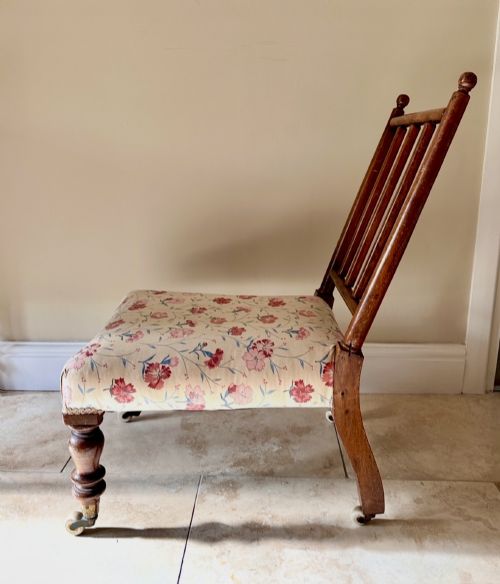
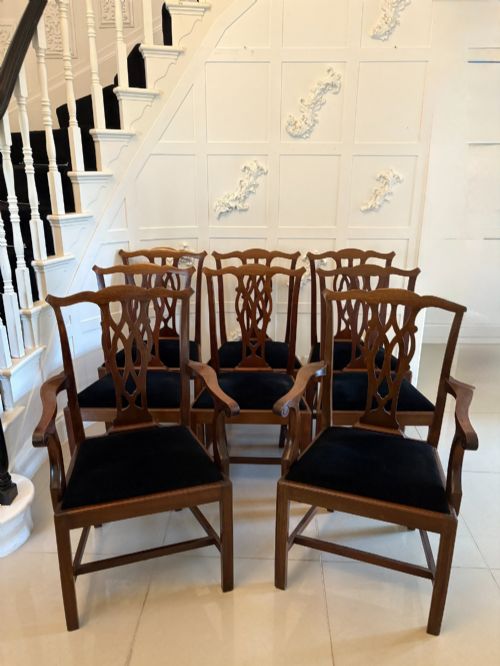
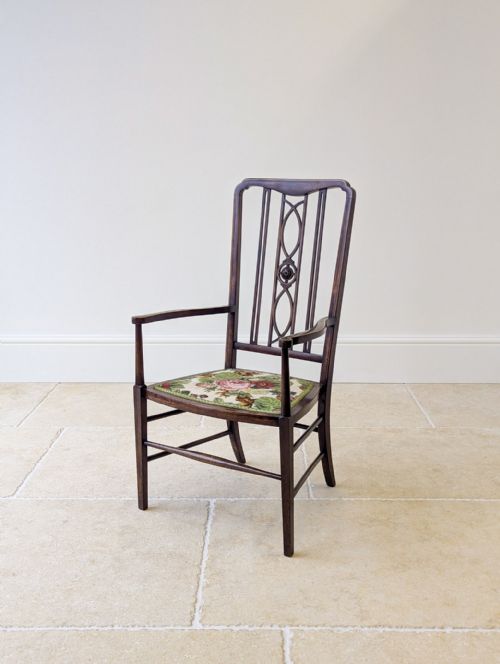
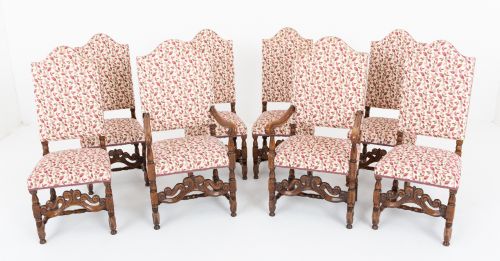
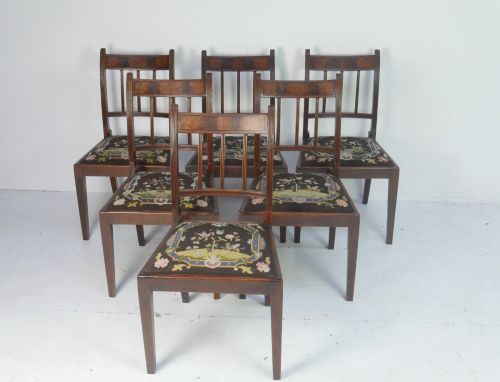
When hunting for antique edwardian seating, buyers encounter a wide variety of forms ranging from single music chairs and desk stools to large dining sets and long settees. The pieces bridge the gap between heavy Victorian proportions and lighter early twentieth-century designs.
How they were made
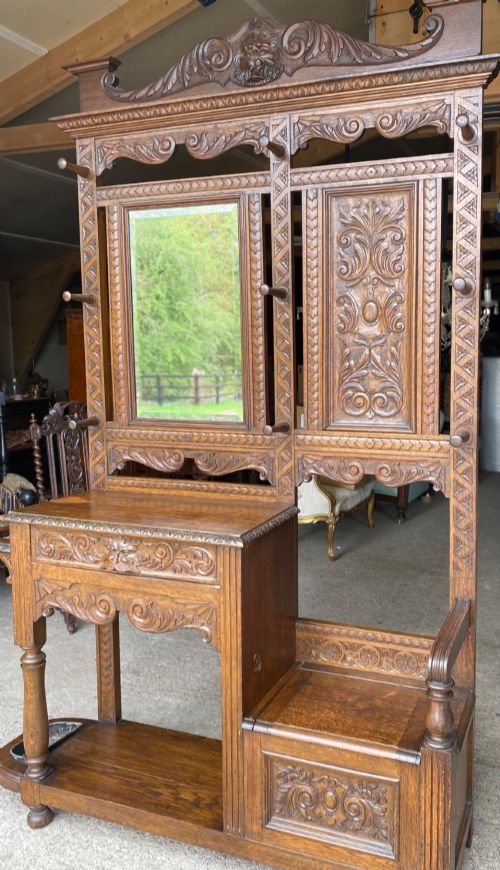
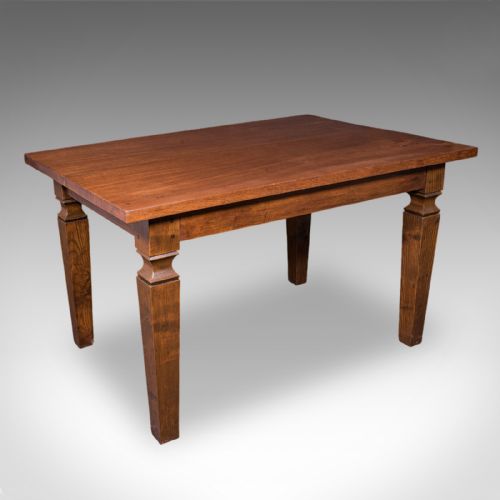
Makers relied primarily on solid timbers such as mahogany, walnut, and oak, often shaping frames with carved details or delicate inlay work. Beech and teak also appear frequently, particularly in regional pieces and outdoor benches.
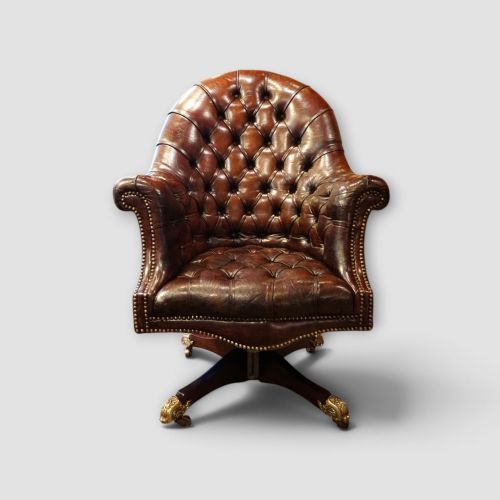
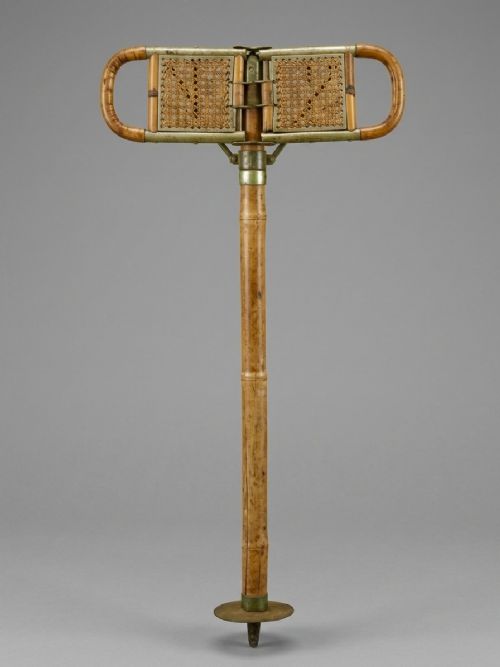
Upholstery techniques involved traditional stuffing finished with fabric, velvet, or leather, while other seats utilised woven rush, split cane, or cane panelling for a lighter texture.
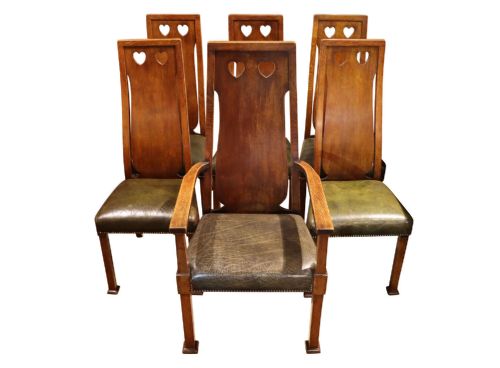
Materials utilised across the inventory include solid mahogany, golden oak, walnut, rush, cane, and green leather.
What varies in quality
The distinction between standard commercial seating and top-tier workshop output lies in the crispness of the carving and the selection of figured timbers. Superior pieces display thoughtful joinery and balanced proportions, whether executed in simple oak or elaborately gilded walnut.
Makers' labels and attribution to known retailers or design schools elevate certain items above anonymous factory output. Original upholstery materials and well-preserved cane work also separate everyday examples from exceptional survivors.
HOWARD AND SONS·William Morris·Rossetti·Liberty Morris & Co·Charles Tozer·Heals·Warings
The Antique Edwardian Seating Glossary
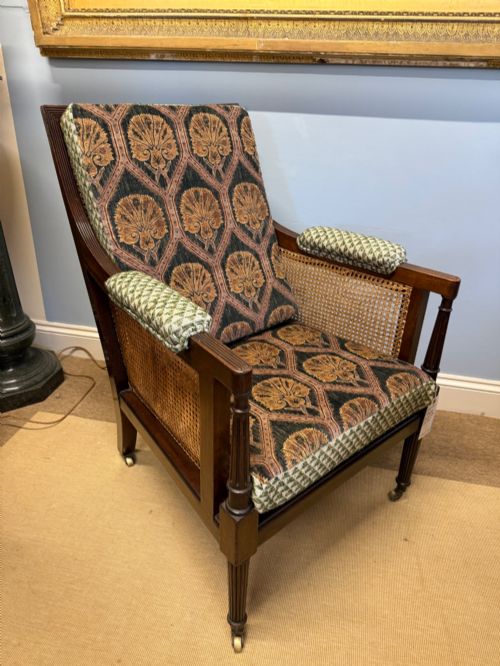
- Bergere
- An enclosed upholstered armchair with cane work sides and back. This French-inspired form gained renewed popularity in Edwardian drawing rooms.
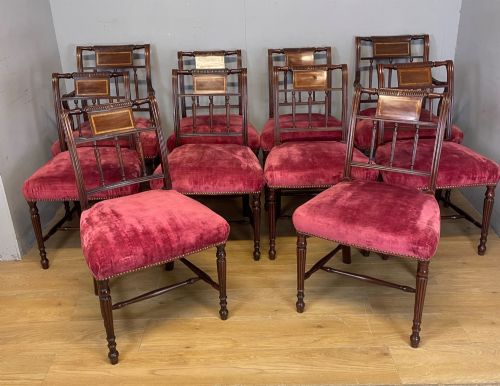
- Carver armchair
- A dining chair fitted with arms, traditionally placed at the head of a table. Pairs often included one or two carvers alongside a set of side chairs.
- Rush seating
- Woven marsh grass utilised for flexible seat pads. It provides a rustic texture commonly found on Arts and Crafts chairs.
- Settee
- A long upholstered seat designed for multiple people. Edwardian examples often feature mahogany frames with inlaid decoration.
- Refectory bench
- A long wooden seat intended for communal dining tables. Sturdy trestle ends provide stability on these heavy oak pieces.
Antique Edwardian Seating: Frequently Asked Questions
How do I identify Edwardian chairs?
Edwardian seating often combines lighter proportions with stylistic revivals like Georgian or Sheraton influences. Look for inlay work, satinwood banding, and tapered legs.
Construction methods from this era also rely on factory standardisation while retaining hand-finished carving on higher-tier walnut and mahogany frames.
Are oak dining sets comfortable?
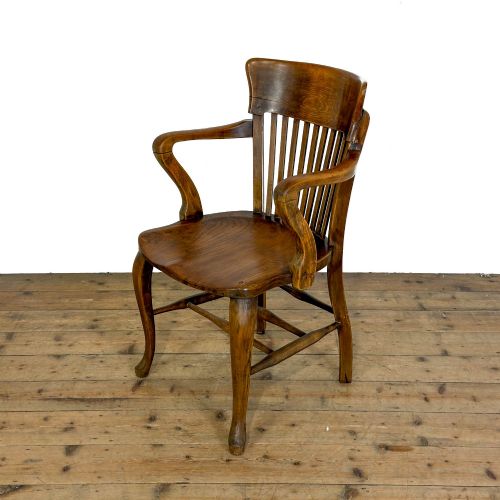
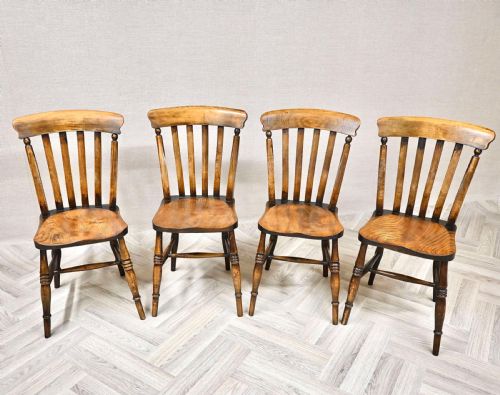
Oak dining chairs from the early twentieth century vary from upright slatted Arts and Crafts designs to deep-seated upholstered models. Many feature shaped wooden backs intended for upright support during long meals.
Adding cushions to wooden seats or selecting pieces with original padded leather helps adjust the daily comfort level.
What is a bergere armchair?
A bergere is an upholstered armchair featuring exposed wooden frames and woven cane panels along the back and sides. This style offers a lighter visual weight than fully stuffed Victorian upholstery.
Walnut frames with split cane work appear frequently in refined drawing rooms from the nineteen-twenties.
Can I use antique garden benches outside?
Teak and oak garden benches built in the early twentieth century were constructed to withstand outdoor exposure. Timbers like teak contain natural oils that resist weathering over decades.
Regular maintenance and sheltered storage during harsh winter months help preserve the original wood and maker labels.