

Antique Ebonised Wood
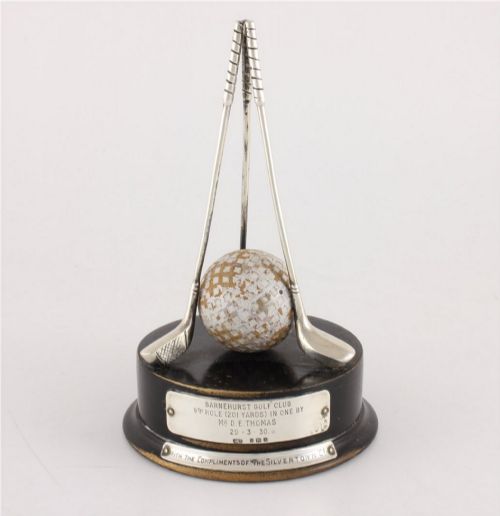
Antique ebonised wood surfaces mimic luxury hardwoods like ebony, offering rich, dark finishes on functional furniture and decorative objects from the nineteenth century.
Antique Ebonised Wood
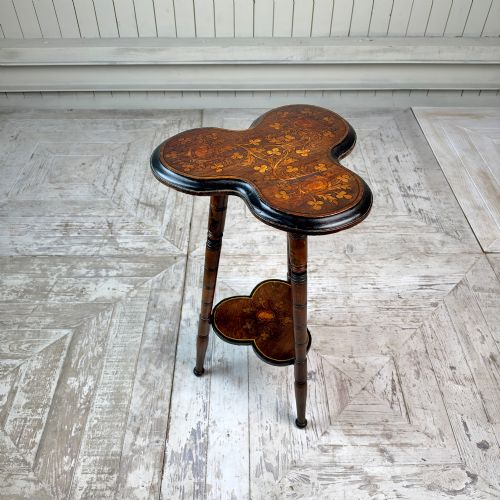
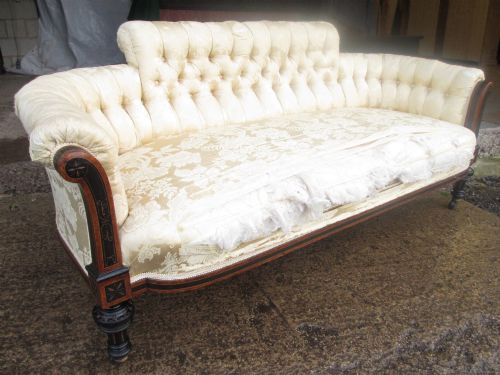
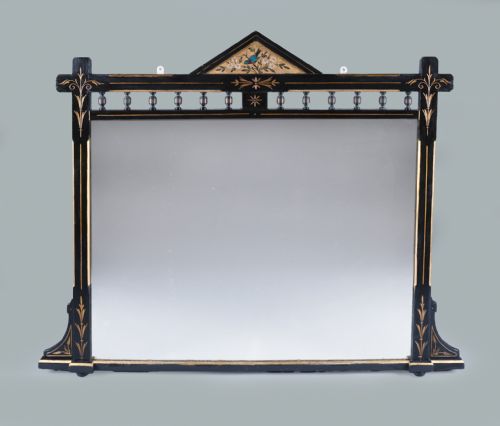
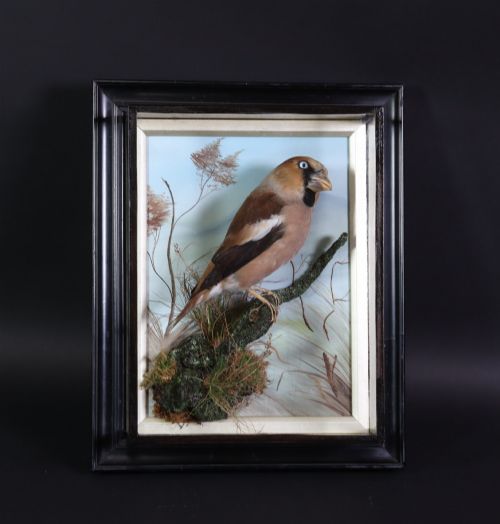
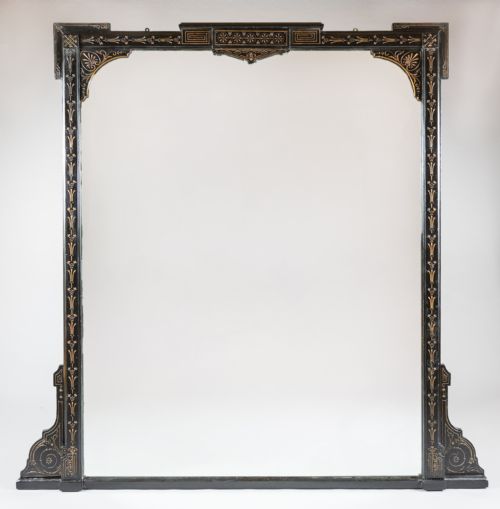
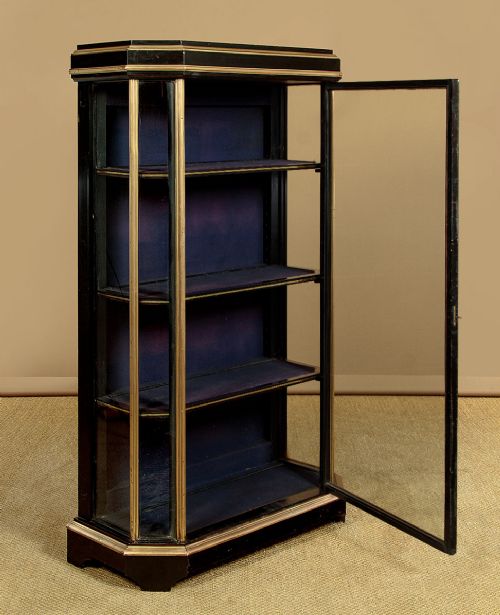
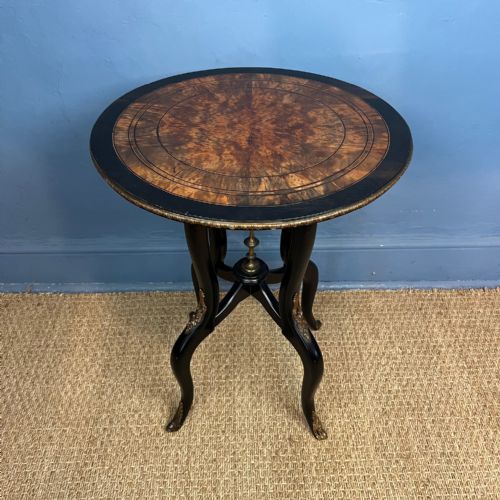
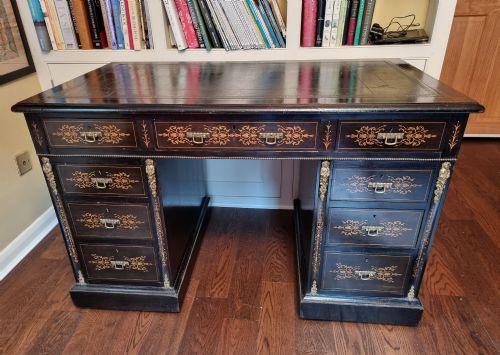
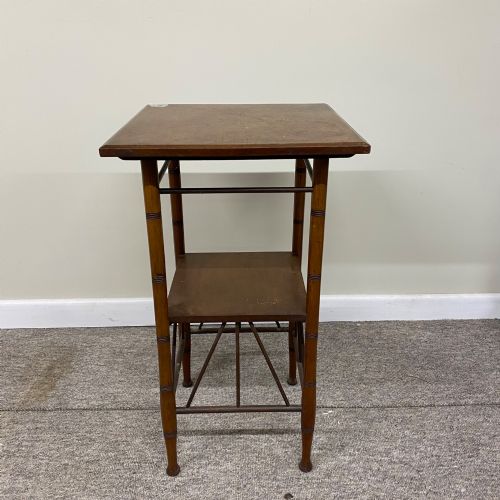
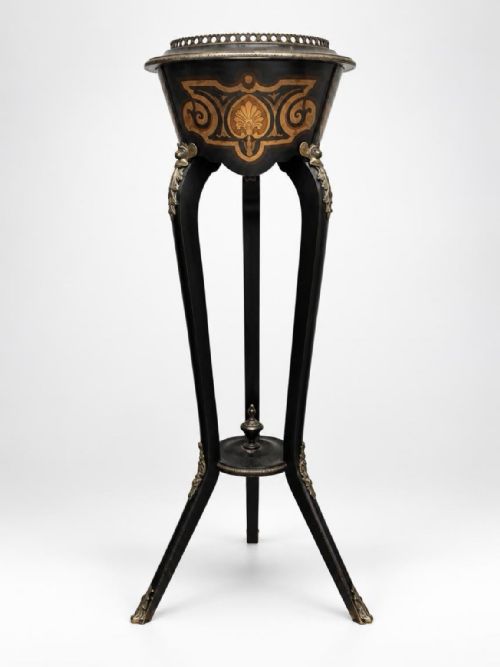
Antique ebonised wood items span utilitarian seating, storage cabinets and display stands created during the nineteenth century. Buyers encounter distinct styles including Victorian plant stands, aesthetic movement hanging shelves, and decorative side chairs.
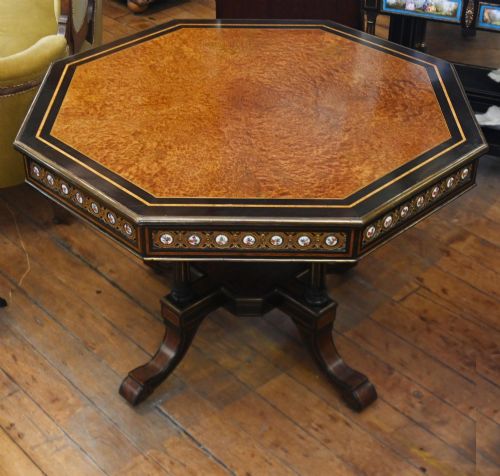
Many examples date from the Victorian and Regency periods, utilising ebonisation to achieve a dense black appearance on standard timber bases. These objects range from corner chairs to library clocks and occasional tables.
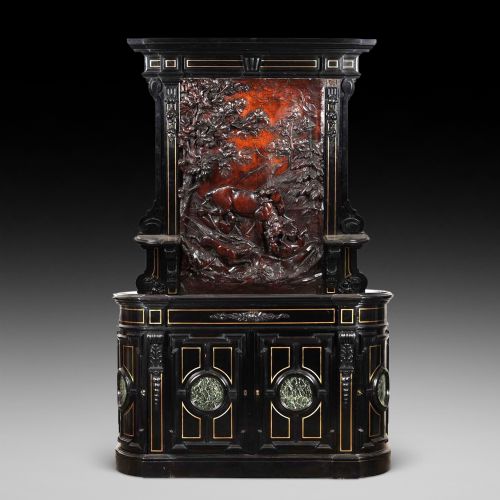
Makers and workshops applied this dark finish across diverse forms such as credenzas, floor standing easels and mantel clocks. The selection on this page centres heavily upon nineteenth century British and continental production.
What varies in quality
Quality rests upon the depth of the ebonisation and the crispness of any underlying carved detail. Superior items retain their original surface finishes without excessive flaking or crude overpainting.
Construction methods and secondary timber selection distinguish workshop output. Pieces featuring integrated brass, gilt highlights, or intricate bone inlay demand closer attention to the joinery and material stability.
Antique Ebonised Wood Retail Price Guide 2026
Typical asking prices for ebonised wood among the pieces listed under this phrase on Sellingantiques today, from the lower quarter to the upper quarter. They describe what is for sale here now, not the wider market.
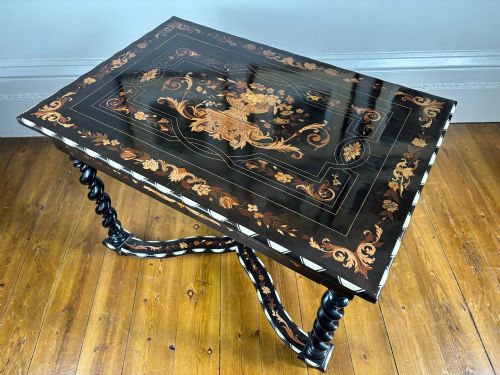
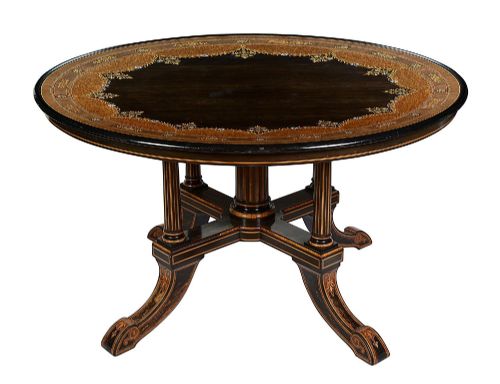
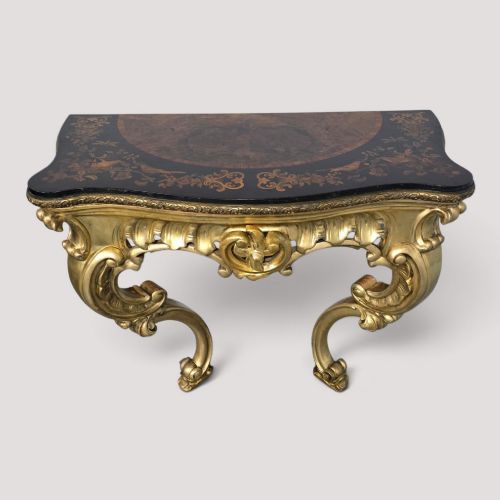
Listings feature nineteenth-century furniture incorporating ebonised wood alongside brass, gilt, and bone inlay.
Holland and Sons·Thonet·Morris and Co·Philip Webb·Jackson and Graham
The Antique Ebonised Wood Glossary
- Ebonised
- Wood treated with stain, dye, or paint to resemble natural ebony. This technique gained widespread popularity during the nineteenth century.
- Aesthetic Movement
- A late nineteenth-century design style emphasising visual beauty over narrative subject matter. Pieces from this movement often utilise ebonised surfaces.
- Marquetry
- Inlaid patterns applied to furniture surfaces using various wood veneers or bone. Craftsmen cut these elements to form pictorial or geometric designs.
- Fusee
- A conical pulley mechanism used in clocks to maintain even power as the mainspring unwinds. This movement appears in library clocks of the period.
Antique Ebonised Wood: Frequently Asked Questions
How do I clean ebonised furniture?
Dust surfaces gently with a dry, soft cloth to prevent scratching the dark finish. Avoid chemical polishes that can degrade historical surface treatments.
Keep pieces away from direct sunlight and moisture to preserve the integrity of the stained wood.
Is ebonised wood actually ebony?
No, ebonised wood is typically a domestic timber such as beech, fruitwood, or oak treated to look like ebony. Craftsmen adopted this method to achieve a luxurious dark aesthetic without the extreme cost of solid exotic hardwood.
Examination under magnification often reveals the underlying grain structure beneath the black finish.
What periods do these pieces date from?
Most items originate from the nineteenth century, encompassing Regency, Victorian, and Arts and Crafts eras. Production methods evolved across these decades, shifting from classical styling to aesthetic movement designs.
Manufacturing techniques and hardware often provide clues regarding the exact decade of origin.
How do I identify an aesthetic movement piece?
Aesthetic movement items often feature clean structural lines, ebonised surfaces, and Japanese-inspired decorative motifs. These designs prioritize visual harmony and artistic expression.
Such objects frequently include hanging shelves, corner chairs, and specialised tables.