



Antique Ebonised Figures
Antique ebonised figures are dark, dramatic carvings and plaques that bring striking tonal depth and period character to an interior.
Antique Ebonised Figures
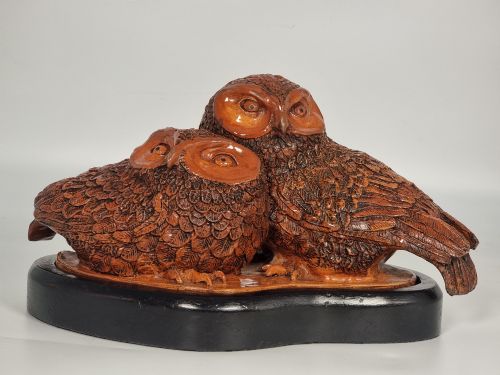
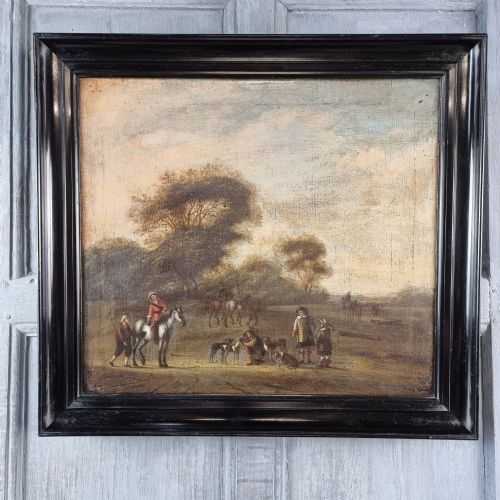
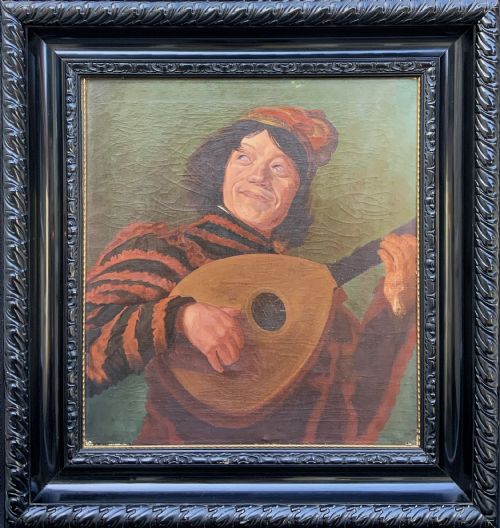
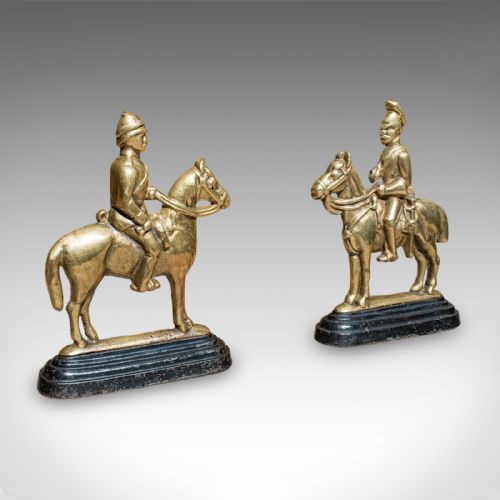
Antique ebonised figures encompass carved wooden sculptures, decorative plaques, and stands created primarily during the nineteenth century. These pieces employ a dark, blackened finish designed to imitate expensive ebony wood.
The selection frequently includes Victorian carved pairs, classical mythological subjects, and continental decorative accessories. Makers utilised various timbers treated with dark stains or paint to achieve the desired sombre tone.
How they were made
Craftsmen selected accessible timbers such as wood and applied dark ebonising agents to the surface. This technique provided the visual weight of exotic hardwoods without the prohibitive cost.
Many items incorporate carved wood details alongside contrasting elements like gilt or brass. Surface finishes ranged from matte black treatments to polished coatings that highlighted the grain beneath.
Antique Ebonised Figures Retail Price Guide 2026
Typical asking prices for ebonised figures among the pieces listed under this phrase on Sellingantiques today, from the lower quarter to the upper quarter. They describe what is for sale here now, not the wider market.
Current listings feature pieces spanning the nineteenth century, including Victorian works, Regency items, and Italian carvings.
What varies in quality
Quality rests upon the crispness of the carving and the depth of the ebonised finish. Superior examples display refined hand-chiselled details rather than soft, moulded contours.
The integrity of the underlying wood and the preservation of the original surface coating dictate the distinction between ordinary workshop pieces and finer decorative works.
Carlhian And Corbiere·Humphrey Hopper
The Antique Ebonised Figures Glossary
- Ebonised
- Wood treated with stain, dye, or paint to simulate the appearance of solid ebony. This dark finish became particularly popular during the Victorian period for decorative furnishings and sculptures.
- Torchere
- A tall stand or pedestal designed to support a light fixture or decorative figure. These vertical supports frequently date from the nineteenth century and Italian workshops.
- Gilt
- A thin layer of gold leaf or gold paint applied to surfaces to provide metallic contrast. It often highlights the carved details on ebonised wooden objects.
- Grand Tour
- A cultural journey undertaken by wealthy young Europeans to view continental art and antiquities. Souvenirs from these travels included small carved figures and plaques.
Antique Ebonised Figures: Frequently Asked Questions
What are antique ebonised figures made from?
These decorative objects consist primarily of wood treated with dark stains or black finishes to mimic ebony. Some examples incorporate supplementary materials such as gilt accents or metallic mounts.
Craftsmen selected domestic timbers that accepted dark treatments readily, allowing workshops to produce ornate sculptural forms at scale.
How do you clean ebonised wood?
Maintenance requires a soft, dry cloth to remove surface dust without disturbing the dark finish. Moisture and chemical polishes should be avoided to protect the historic surface treatment.
Gentle care preserves the original ebonising and prevents the underlying wood grain from drying out over time.
Where were these figures placed originally?
Nineteenth-century interiors often featured these dark decorative objects on mantelpieces, console tables, or dedicated torchere stands. Their sombre tones contrasted with lighter Victorian wall treatments.
They served as focal points in reception rooms, libraries, and studies alongside other classical ornaments.
How can you tell the age of these carvings?
Dating relies upon tool marks, the specific formulation of the ebonising finish, and stylistic cues from periods like the Victorian era. Examining the underside or unexposed areas reveals the manufacturing methods of the workshop.
Wear patterns and the natural ageing of the timber provide further confirmation of nineteenth-century origin.