





Antique Earthenware Plaque
An antique earthenware plaque brings domestic walls alive with painted scenes, tin glazes, and centuries of ceramic craft.
Antique Earthenware Plaque
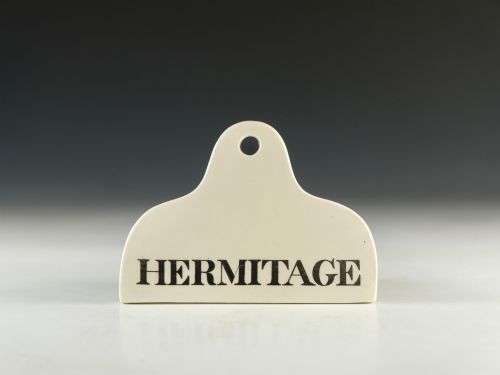
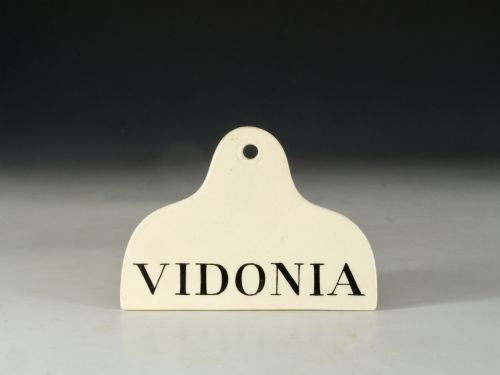
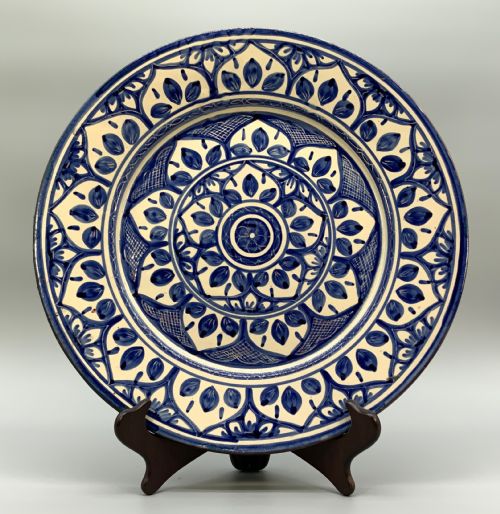
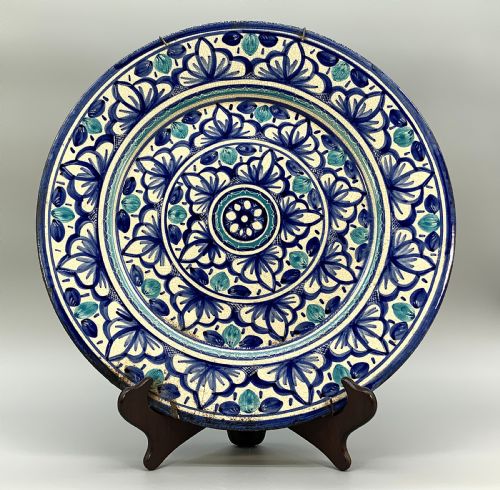
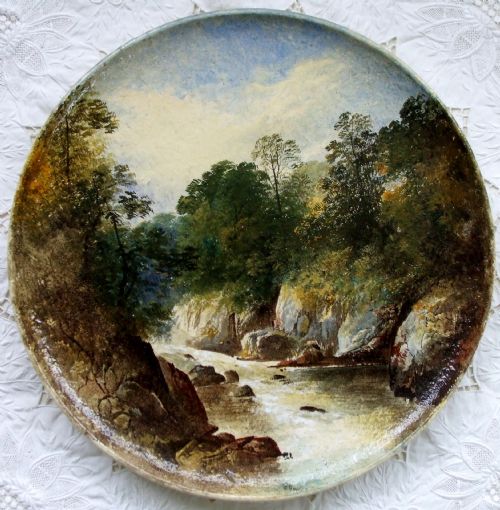
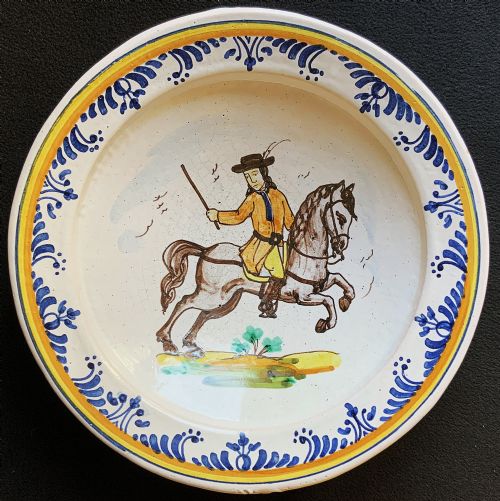
An antique earthenware plaque represents a diverse category of wall art, decorative chargers, and architectural tiles produced across Britain and continental Europe. When searching for an antique earthenware plaque, collectors encounter everything from Dutch Delft tableware to Victorian pottery portraits and cellar bin labels.
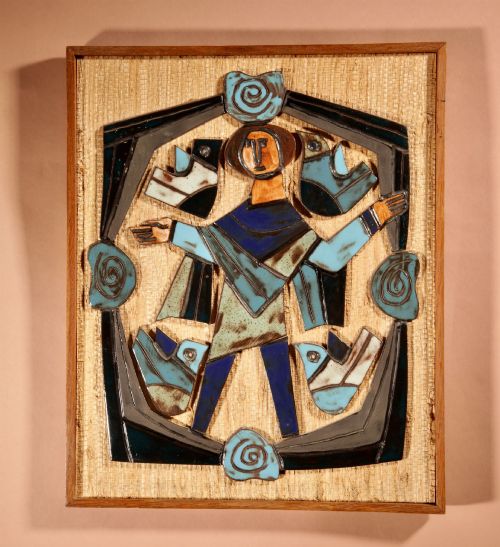
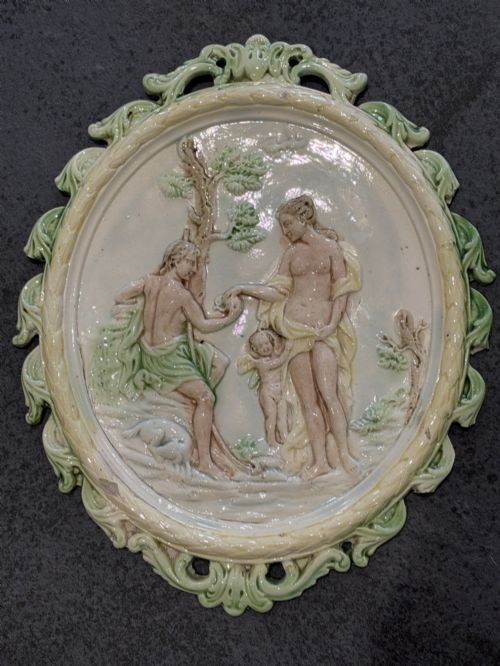
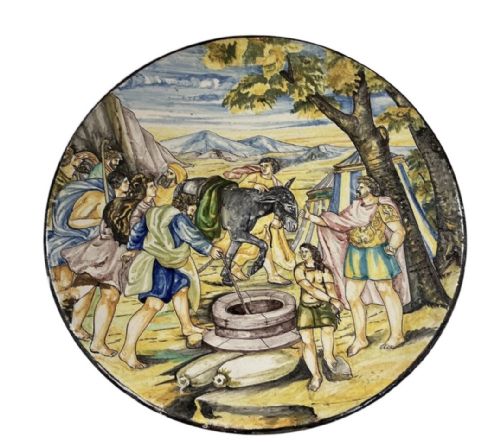
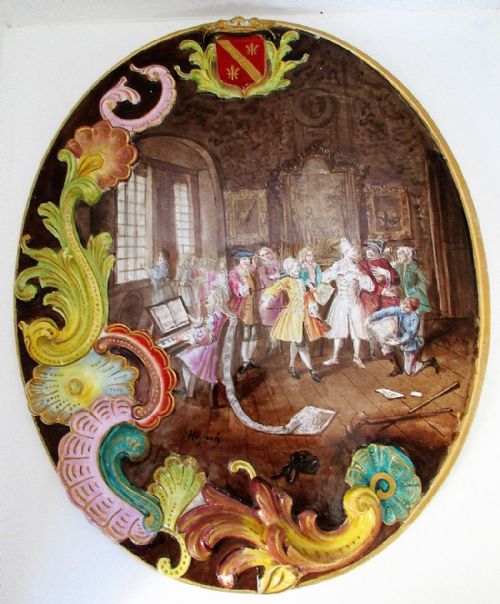
The pieces on this page span several centuries, reaching from the eighteenth century into the Edwardian era. Forms range from large display chargers and devotional panels to salesman samples and relief tiles depicting figures, landscapes, or botanical subjects.
Continental traditions strongly influence the selection, including Spanish, Italian, and French faience alongside British manufactories such as Copeland and Minton. Buyers frequently discover large wall plaques alongside smaller domestic items intended for display in homes.
How they were made
Potters shaped local clays into flat slabs, tiles, or deep chargers before applying ground pigments and metallic oxides. Tin glaze provided a smooth white opaque surface capable of holding intricate painted details.
Kiln firing fused the raw pigments into the vitreous glaze layer, locking in the polychrome or blue and white designs. Relief moulding allowed makers to raise figures and borders above the background plane before glazing.
Hand-painting by skilled decorators gave individual character to each piece, whether executing classical historical scenes, biblical narratives, or rustic landscapes.
Antique Earthenware Plaque Retail Price Guide 2026
Typical asking prices for earthenware plaque among the pieces listed under this phrase on Sellingantiques today, from the lower quarter to the upper quarter. They describe what is for sale here now, not the wider market.
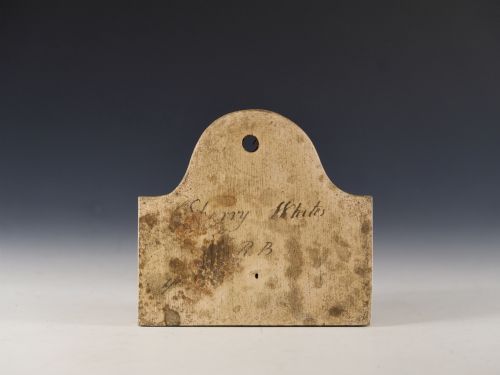
Several nineteenth-century cellar labels remind buyers that claret, sherry, and Marsala once required dedicated ceramic signposts.
What varies in quality
The refinement of the painted brushwork separates ordinary regional pottery from masterwork chargers and exhibition pieces. Controlled kiln firing preserves crisp pigments without excessive running or clouding of the tin glaze.
Depth of relief modelling and sharpness in moulded details distinguish superior sculptural plaques from softer secondary casts. The historical significance of the subject matter, combined with a documented maker or decorator, elevates certain examples above standard decorative wares.
Copeland Pottery·Minton·William Yale·C. Ravier·Reginald Robert Tomlinson
The Antique Earthenware Plaque Glossary
- Earthenware
- Porous pottery fired at lower temperatures than stoneware or porcelain. It requires a protective glaze to hold liquids and create a smooth display surface.
- Tin-Glaze
- An opaque white glaze containing tin oxide that creates a canvas for painted pigments. This technique defines traditional Delftware, maiolica, and faience.
- Charger
- A large decorative plate intended for wall hanging or display on a sideboard rather than daily dining use. These pieces often carry elaborate pictorial scenes.
- Maiolica
- Tin-glazed earthenware originating in Italy, celebrated for rich polychrome painting and narrative historical compositions. Production spread across Europe under various regional names.
- Faience
- The French and continental term for tin-glazed earthenware. It covers domestic vessels, decorative tiles, and commemorative wall plaques.
- Pratt Ware
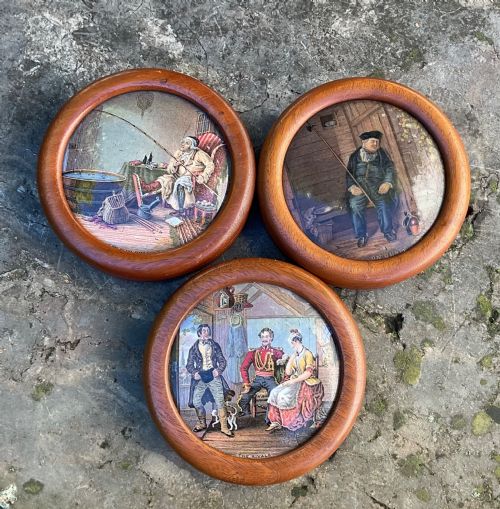
- English earthenware produced by the Pratt family and other potteries, known for multicoloured underglaze prints depicting popular scenes and portraits.
Antique Earthenware Plaque: Frequently Asked Questions
How do I hang a heavy antique earthenware plaque safely?
Large chargers and heavy wall plaques require specialist spring-loaded brass hangers designed to distribute weight evenly around the rim without placing stress on the ceramic body. Ensure fixings are anchored securely into solid masonry or wall studs rather than relying on standard plasterboard plugs.
Position pieces away from doorways or high-traffic areas where accidental knocks might dislodge them. Inspect the wire or mounting brackets periodically to guarantee the hardware remains secure against the back of the plaque.
Were these wall plaques made for display?
Many large chargers and pictorial panels were created specifically for interior display on walls or dressers rather than functional use at the table. Their decorative subjects, ranging from biblical narratives to classical scenes, marked them out as parlour art for prosperous homes.
Smaller items like bin labels served practical cellar functions, while decorative tiles found a permanent home set directly into interior brickwork or fireplace surrounds. Understanding the original context helps determine whether a piece spent its life mounted on a wall or handled in a pantry.
How should I clean my antique plaque?
Dust ceramic surfaces gently using a soft, dry artist's brush or a clean microfiber cloth to lift surface particles without scratching the glaze. Avoid immersing historic earthenware in water, as old porous bodies and hairline cracks can absorb moisture and stain the fabric.
Keep pieces away from direct sunlight and damp environments to protect fragile pigments and prevent crazing in the tin glaze over time. Professional conservation is recommended for any deeper cleaning or stabilization.