
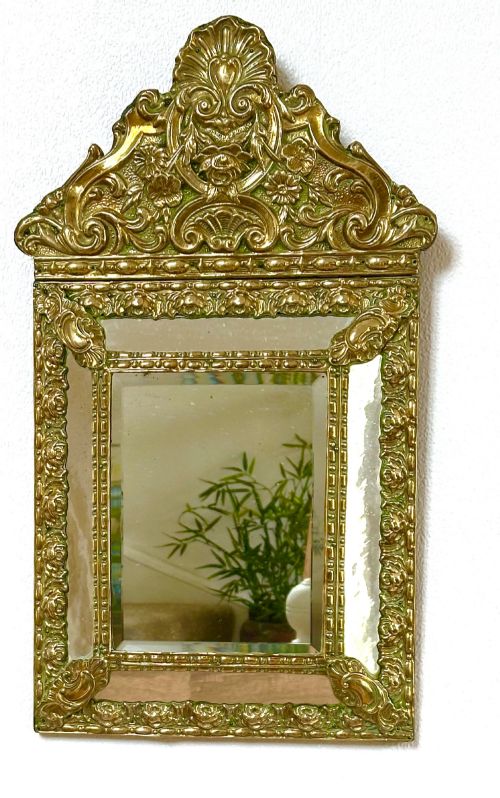


Antique Dutch Vanity Mirror
These antique dutch vanity mirror pieces offer period craftsmanship and striking marquetry, bringing character and practical reflection to any tabletop.
Antique Dutch Vanity Mirror
An antique dutch vanity mirror brings together tabletop dressing glass and intricate marquetry decoration, taking forms such as toilet swing mirrors and dressing table mirrors. These pieces span the eighteenth century, nineteenth century, and Regency periods, showing the sustained demand for functional mirrors framed by rich timber work.
Most examples encountered here are toilet mirrors or dressing mirrors designed for use on top of a surface, alongside related dressing tables. The materials combine walnut, mahogany, and fruitwood marquetry with glass, brass, and boxwood details, reflecting classic Dutch cabinet-making traditions.
How they were made
Makers constructed these frames from primary timbers like walnut and mahogany, often applying detailed fruitwood and boxwood marquetry inlay to the surfaces. Brass fittings supported the pivoting mechanism of the swing mirror, while hand embossed brass frames appear on alternative examples from the nineteenth century.
The mirror glass was set within adjustable frames that tilted between upright supports, allowing the user to adjust the angle. Cabinet makers combined structural joinery for the dressing table bases with delicate veneer work for the surrounding borders.
Makers used boxwood and fruitwood to inlay tiny scrolling leaves that look remarkably cheerful peering back from a dressing table.
What varies in quality
The sophistication of the fruitwood marquetry inlay sets finer pieces apart, with crisp floral and figurative patterns showing greater skill than simpler linear designs. The choice of primary timber, such as figured walnut or rich mahogany, also marks the distinction between standard production and higher workshop output.
Integration of original brass hardware and the condition of the mirror plate influence the overall integrity of the piece. Superior examples maintain balanced proportions between the swing frame and the supporting base or table.
The Antique Dutch Vanity Mirror Glossary
- Marquetry
- Decorative veneer work arranged in pictorial or geometric patterns using various coloured woods. This technique defines the visual style of many Dutch mirrors.
- Toilet mirror
- A small mirror designed to sit on a dressing table or chest of drawers. These pieces often feature a pivoting swing mechanism between two upright posts.
- Regency
- An architectural and design period spanning the early nineteenth century. Pieces from this era often balance classical restraint with bold decorative elements.
- Fruitwood
- Dense timber derived from fruit-bearing trees, commonly utilised for light-coloured inlay work in marquetry panels. It provides a distinct contrast against dark walnut bases.
Antique Dutch Vanity Mirror: Frequently Asked Questions
Where did people place an antique dutch vanity mirror?
These mirrors typically sat upon dressing tables, chests of drawers, or washstands in bedrooms and dressing rooms. Their portable design allowed users to position them near natural light sources for grooming.
Over time, many of these mirrors became decorative table centrepieces in living spaces, prized for their figured timber surfaces and intricate marquetry patterns.
How do you date an antique dutch vanity mirror?
Dating relies upon examining the timber species, construction methods, and the style of the marquetry inlay. Pieces from the eighteenth century often display different veneer thicknesses and structural joinery compared to nineteenth century examples.
Hardware such as brass hinges, screw threads, and locking mechanisms also provide clear indications of the period in which the mirror was assembled.
What is a toilet swing mirror?
A toilet swing mirror is a tabletop looking glass mounted on pivots between two vertical uprights. This design allows the user to tilt the mirror plate forward or backward to adjust the angle of reflection.
Such mirrors usually incorporate a small box base or drawer unit beneath the swing frame for storing small personal items.
How do you care for marquetry surfaces?
Marquetry surfaces require gentle cleaning with a soft, dry cloth to remove dust without disturbing the delicate veneer inlays. Avoiding direct sunlight and excessive moisture prevents the fruitwood and boxwood elements from drying out or lifting.
Applying occasional appropriate wax polish helps nourish the timber and preserves the natural lustre of the walnut and mahogany frames.