
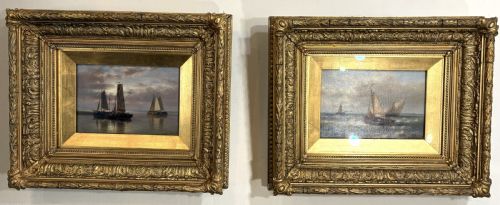


Antique Dutch Maritime Painting
An antique dutch maritime painting captures the atmospheric light, bustling canals, and seafaring heritage of the Netherlands across centuries of artistic tradition.
Antique Dutch Maritime Painting
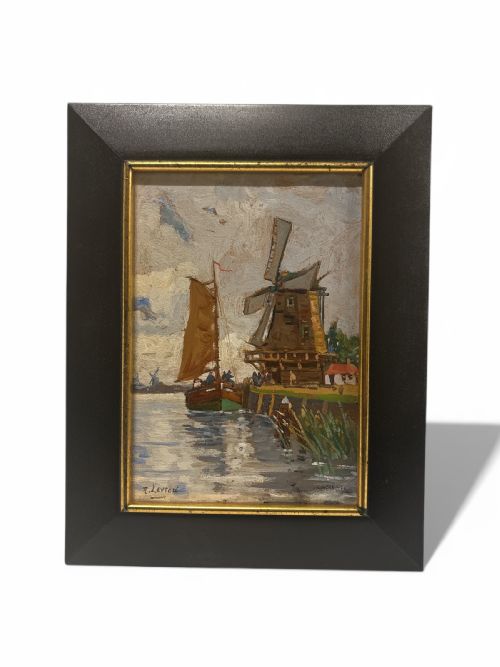
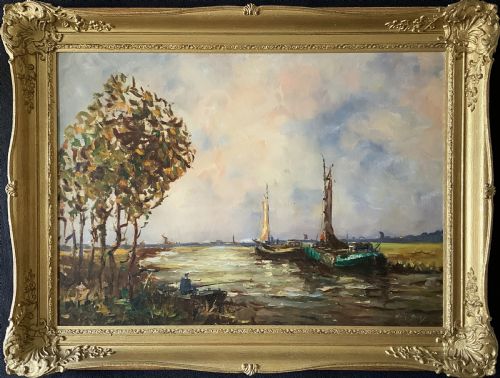
An antique dutch maritime painting typically depicts coastal scenes, choppy seas with sailing vessels, quiet canals, and harbour views executed in oil on canvas or wood. The selection spans from seventeenth-century works through nineteenth-century realists and impressionist interpretations.
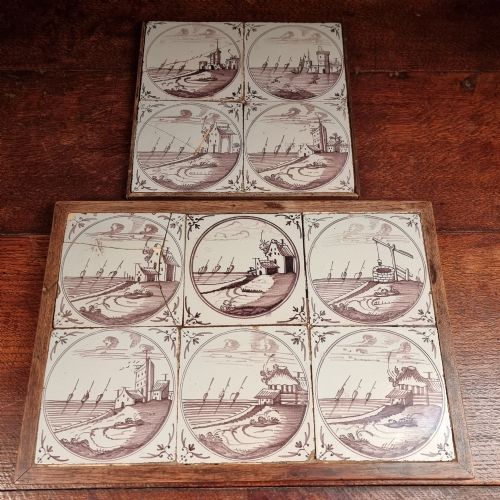
Buyers encounter oil paintings alongside watercolours and decorative manganese delft tiles that incorporate similar maritime and canal motifs. The physical formats range from intimate cabinet watercolours to large gallery canvases framed in giltwood.
The subjects focus heavily on working vessels, fishing boats in gales, and familiar waterscapes such as the Maas or Rotterdam canals. This creates a cohesive collection centred on maritime life and historical Dutch waterways.
How They Were Made
The works rely primarily on oil paint applied to stretched canvas or wooden panels, capturing fine details of rigging, water, and sky. Watercolours on paper provide a lighter, more immediate medium for coastal and townscape views.
Framing often involves traditional giltwood and gold leaf surrounds that complement the palette of the paintings. Ceramic items such as delft tiles utilise tin-glazing techniques to render manganese-coloured designs.
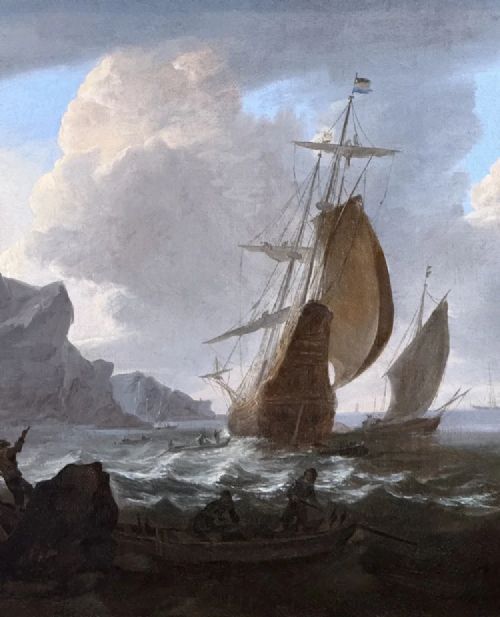
Several canvases capture boats braving surprisingly choppy waters, reminding viewers that nineteenth-century sailors had to contend with plenty of spray.
What Varies in Quality
The standard of an antique dutch maritime painting depends on the confidence of the brushwork, particularly in the handling of turbulent water and atmospheric skies. Mastery over light and shadow distinguishes accomplished marine artists from lesser copyists.
Provenance and attribution play significant roles in evaluation, with documented works by established nineteenth-century school painters commanding greater attention. The preservation of the original canvas, paint surface, and period frame also influences the standing of a piece.
Bonaventura Peeters·Willem Bos·Abraham Hulk I·Pieter Cornelis Dommersen·Thomas Bush Hardy·Adrian Van Porten·Hendrik Willebrord Jansen·Jan van Couver·William Raymond Dommersen·Paul Jean Clays·Fred Mayor·Madeline Hughes·Hendrik Yan Wolter·Ludwig Hermann·Frank Myers Boggs·Charles Martin Powell·Jacob Knyff·Abraham Storck·Alfred Montague
The Antique Dutch Maritime Painting Glossary
- Giltwood
- Wood that has been treated with a thin layer of gold leaf. This finish is commonly found on traditional frames enclosing oil paintings.
- Delft tile
- A tin-glazed earthenware tile originating from the Netherlands. These frequently feature manganese or blue designs depicting maritime and landscape subjects.
- Estuary
- The tidal mouth of a large river where the tide meets the stream. This setting frequently appears as a backdrop in marine compositions.
- Canvas
- Heavy woven fabric used as a surface for oil painting. It is typically stretched over a wooden frame before application of the ground and pigments.
Antique Dutch Maritime Painting: Frequently Asked Questions
What subjects do these paintings feature?
The compositions generally focus on sailing boats, bustling estuaries, fishing vessels in gales, and quiet canalscapes. Many depict specific Dutch waterways and coastal towns.
Alongside large oil paintings on canvas, buyers also find intimate watercolours and decorative manganese delft tiles showing similar maritime themes.
How do I care for an oil painting?
Keep paintings away from direct sunlight, high humidity, and rapid temperature fluctuations to protect the canvas and pigments. Dust the surface very gently with a dry, soft brush without applying pressure.
Avoid using water or cleaning solvents on the paint surface. Consult a professional conservator if the varnish requires cleaning.
How are periods told apart?
Seventeenth-century works often feature darker, dramatic palettes with meticulous detail of rigging and historical vessels. Nineteenth-century pieces frequently display looser brushwork influenced by realism and early impressionism.
Framing styles and canvas preparation also offer clues to the era of creation. Signed works provide a direct link to recorded painting families and schools.
Where were these artists active?
Many painters worked within the Dutch tradition, recording local harbours, frozen rivers, and coastal shipping. Others were British or European artists who travelled to the Netherlands to paint the distinct light and maritime activity.
Works attributed to specific schools reflect the ongoing influence of the Dutch Golden Age across later centuries.