






Antique Duck Ornaments
Antique duck ornaments bring character and historic charm to a room, offering a diverse array of materials and forms.
Antique Duck Ornaments
Antique duck ornaments encompass a fascinating variety of decorative objects, sculptures, and functional items rooted in past centuries. When you search for antique duck ornaments, you encounter pieces that range from rustic carved decoys to refined silver pin cushions and bronze desk pieces.
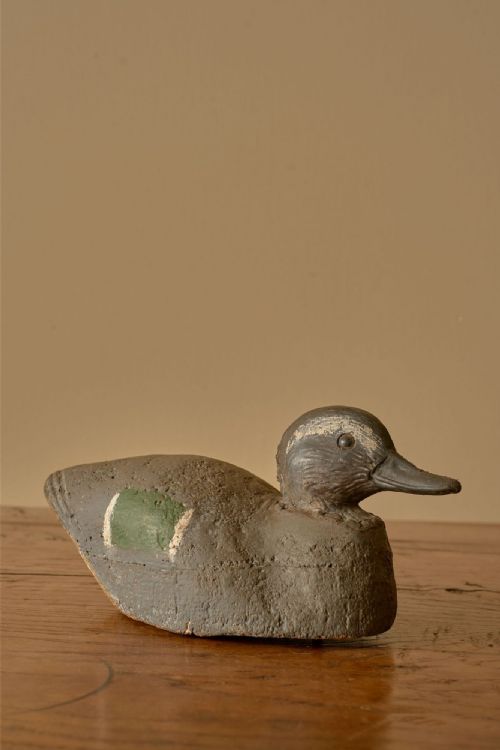
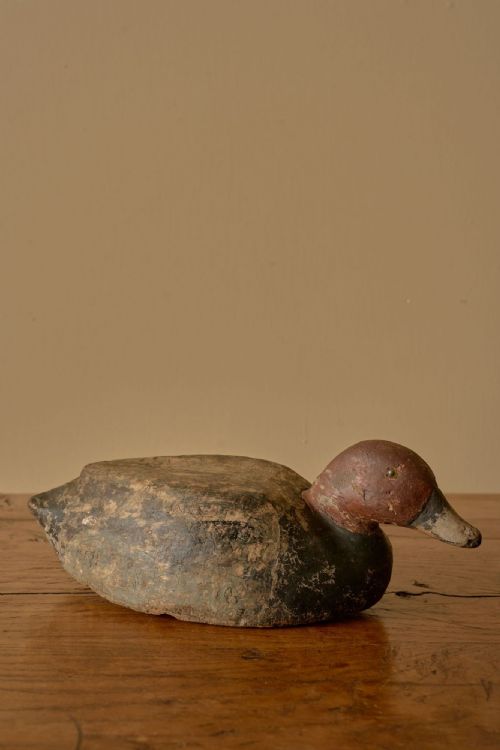
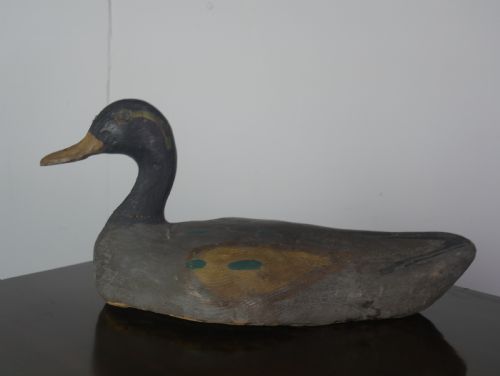
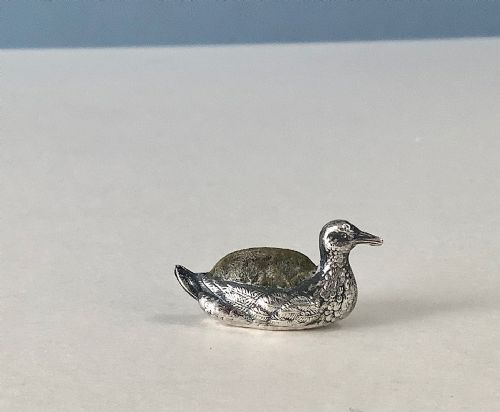
Wooden decoy ducks dominate the forms you are most likely to meet, often showing the honest wear of working water birds. Alongside these sit delicate miniatures in silver and velvet, papier mâché ducklings, and porcelain studies.
How they were made
Makers utilised wood as a primary medium for decoys, carving solid blocks and applying hand-painted finishes to mimic plumage. Artisans also worked with papier mâché, straw, and porcelain to shape smaller figurines and decorative studies.
Metalworking techniques produced cold-painted bronze figures mounted on stone plinths, alongside finely detailed silver miniature pin cushions incorporating velvet inserts. These methods reflect both practical utility and artistic expression across different materials.
Antique Duck Ornaments Retail Price Guide 2026
Typical asking prices for duck ornaments among the pieces listed under this phrase on Sellingantiques today, from the lower quarter to the upper quarter. They describe what is for sale here now, not the wider market.
Materials represented across the available selection include wood, glass, porcelain, papier mâché, straw, and cold-painted bronze.
What varies in quality
Quality rests upon the skill of the carving and the preservation of the original painted surface. Hand-painted decoy ducks show distinction through the crispness of brushwork and the expressive modelling of the wooden form.
Refined pieces like silver pin cushions and bronze studies derive their standing from crisp metal casting and the intact survival of delicate cold-painted details or mounted onyx bases.
Makuzu Kozan II
The Antique Duck Ornaments Glossary
- Decoy duck
- A carved and painted floating bird used by hunters to attract wildfowl, now collected as folk art sculpture. Many examples display weathered patination from outdoor use.
- Cold painted bronze
- A method where bronze figures are painted with cold enamel rather than fired in a kiln. This technique requires careful handling to preserve the delicate coloured surfaces over decades.
- Okimono
- A Japanese term for a decorative object or sculpture designed for display on a shelf or in a tokonoma alcove. These figures demonstrate intricate carving and observation of nature.
- Pin cushion
- A small functional domestic object designed to hold sewing pins, often fashioned into novelty animal shapes using silver and textiles. Edwardian versions frequently utilise miniature animal forms.
- Folk art
- Utilitarian objects and decorative pieces created by self-taught or non-professional makers using traditional local techniques. These items emphasise practical function and direct artistic interpretation.
Antique Duck Ornaments: Frequently Asked Questions
What were decoy ducks used for?
Decoy ducks served as functional tools for hunters, placed on the water to attract wildfowl within range.
Over time, these working objects transitioned into decorative folk art appreciated for their rustic aesthetic and tactile qualities.
How do I date an antique duck ornament?
Dating relies on examining the materials, paint styles, and construction methods characteristic of specific periods like the Edwardian era or the early twentieth century.
Signatures, foundry marks, or documented artistic movements also provide clear indicators of a piece's age and origin.
Where should I display my duck ornament?
These ornaments suit various interior settings, from mantelpieces and bookshelves to side tables and study desks.
Pairing wooden decoys with rustic surroundings or placing silver miniatures in cabinets highlights their individual craftsmanship.
Are silver duck pin cushions rare?
Silver pin cushions featuring animal forms were popular novelty items during the Edwardian period, often utilising integrated velvet pads.
Their survival depends on the condition of both the precious metal and the original fabric insert.