



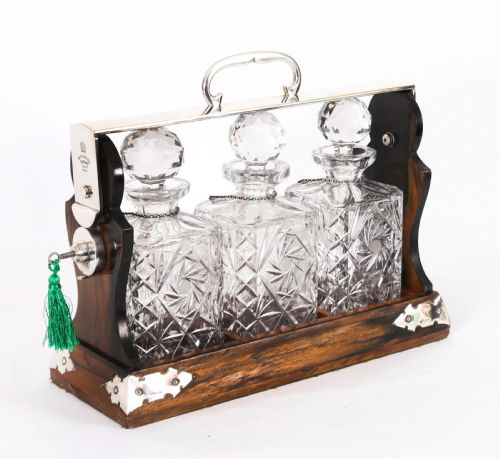

Antique Drinking Set
An antique drinking set brings together period glassware, decanters, and fitted cases for serving spirits and wine.
Antique Drinking Set
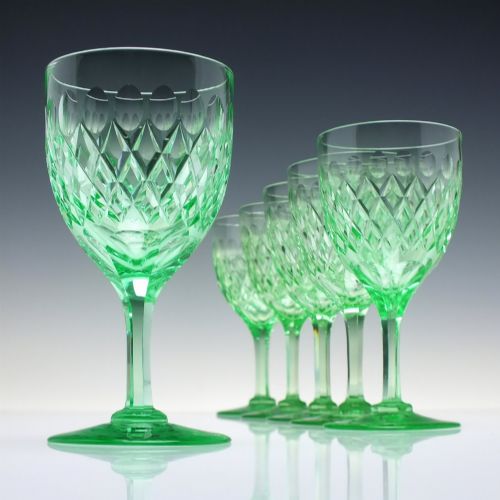
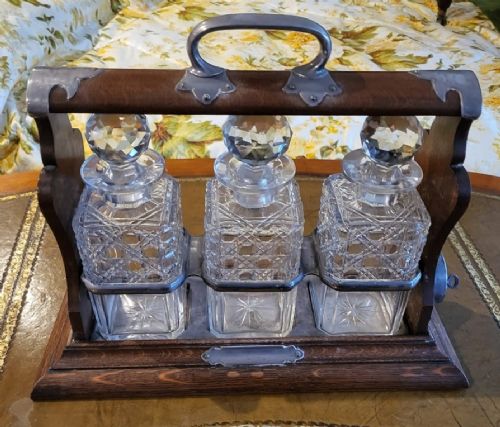
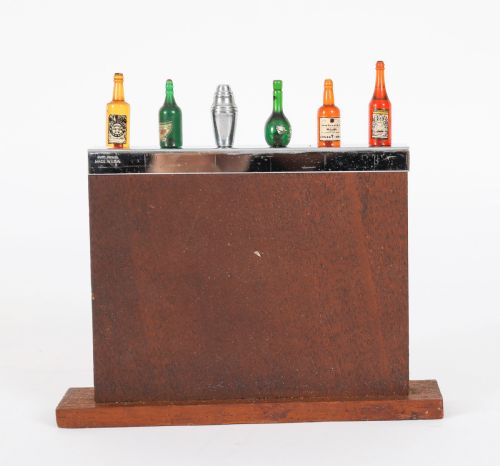
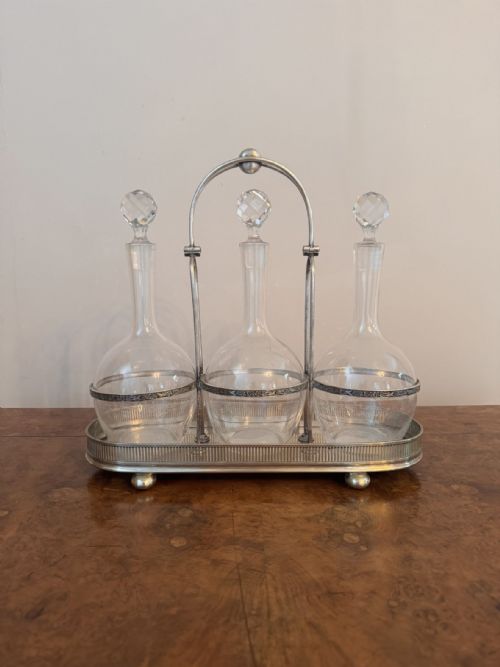
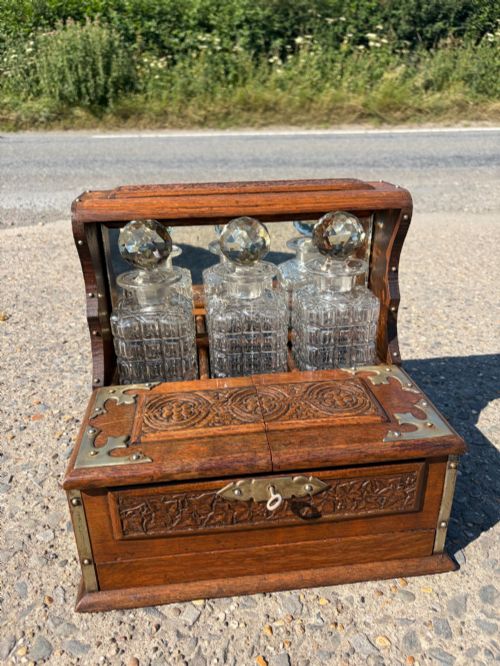
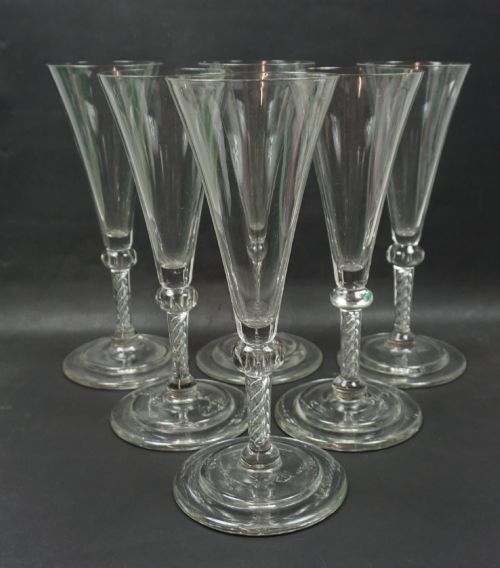
When searching for an antique drinking set, buyers encounter a variety of forms designed for holding and serving alcohol, ranging from substantial oak tantaluses with locked decanters to delicate glass stemware suites. The most common iterations on this page are Victorian and Edwardian oak tantaluses fitted with cut crystal bottles, alongside sets of wine glasses and spirit tumblers spanning the Georgian to Art Deco periods.
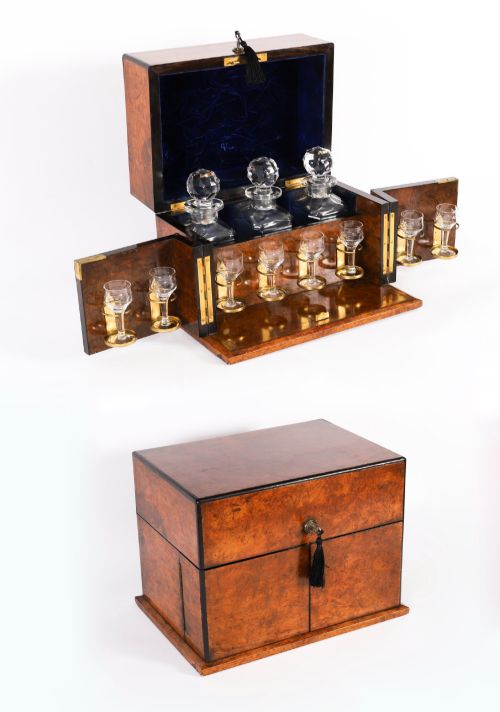
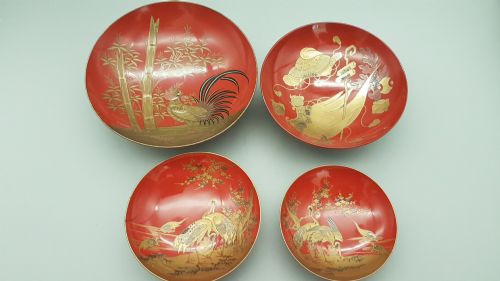
Origin and period dictate the character of each group, connecting pieces directly to nineteenth-century campaign equipment, French liquor caves, and Japanese Meiji lacquerware. Alongside these are specialised cocktail sets and novelty items featuring silver-plated stands and enamel accents, reflecting shifts in social entertaining across more than a century of production.
Materials and Technique
Makers utilised a combination of timber, glass, and metal, mounting sturdy oak, satinwood, and coromandel cases with brass hardware and silver plating. Tantalus frames often incorporate marquetry and inlaid details, housing lead crystal or cut glass decanters secured by locking mechanisms.
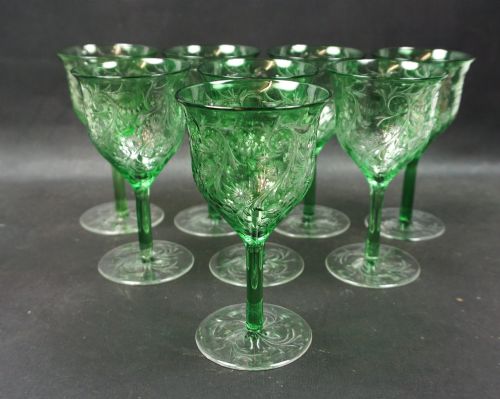
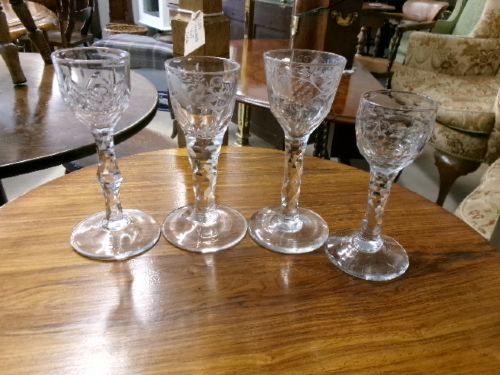
Glassware was shaped through hand-blowing and cutting, yielding faceted stems, engraved decoration, and distinct hues such as cranberry and green. Metal components include cast silver-plated stands and hallmarked sterling silver elements paired with enamel for cocktail accessories.
Antique Drinking Set Retail Price Guide 2026
Typical asking prices for drinking set among the pieces listed under this phrase on Sellingantiques today, from the lower quarter to the upper quarter. They describe what is for sale here now, not the wider market.
Listings feature oak, coromandel, and satinwood cabinetry paired with lead crystal, silver plate, and enamel.
Distinctions in Standard
Differentiation across these sets relies on the integrity of the materials and the precision of the assembly. Finer pieces demonstrate heavier crystal with crisp, deep cutting, alongside robust cabinetwork utilising figured timbers and fully operational locking mechanisms with original keys.
The sophistication of the accompanying metalwork and the completeness of matched components separate standard examples from superior ones. Sets featuring intact suites of identical glasses, specialised silver hardware, or signed maker components exhibit a higher level of execution.
James Dixon And Sons·Betjemann·Sudre·Webb Corbett·Elkington
The Antique Drinking Set Glossary
- Tantalus
- A locked cabinet holding spirit decanters that displays the bottles while preventing unauthorized access to the contents.
- Rummer
- A heavy-stemmed drinking glass used for wine or ale, typically featuring a wide foot base and a capacious bowl.
- Liquor Cave
- A fitted case containing matched decanters and glasses, often lined with velvet or silk for travel or table service.
- Lemon Squeezer Feet
- A square, pressed glass base found on early nineteenth-century drinking glasses, named for its resemblance to a kitchen press.
- Compendium
- A multi-functional box combining a drinks service with games equipment such as cards and dice.
- Intaglio
- A design carved into the surface of glassware so that the motif sits below the outer plane.
Antique Drinking Set: Frequently Asked Questions
What is a tantalus?
A tantalus is a locking wooden frame designed to secure spirit decanters while keeping the contents visible to guests.
Victorian households utilised these devices on sideboards to restrict access to expensive brandies and whiskies while maintaining a decorative display.
How do I date a glass set?
Dating relies on observing manufacturing traits such as pontil marks, glass colour, and stem thickness, alongside the style of any accompanying fitted case.
Georgian and early Victorian examples frequently feature heavy lead crystal with hand-cut facets, whereas later suites adopt more standardised mechanical production.
Were these sets used for travel?
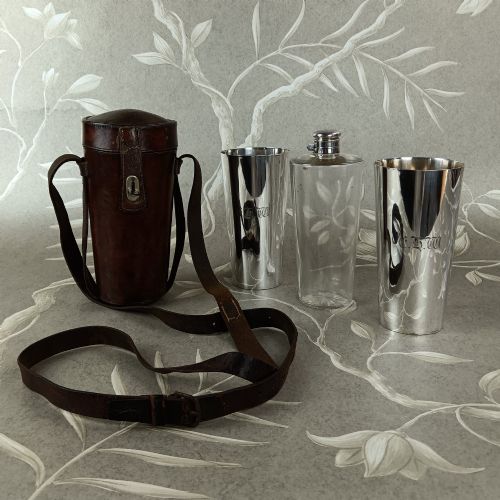
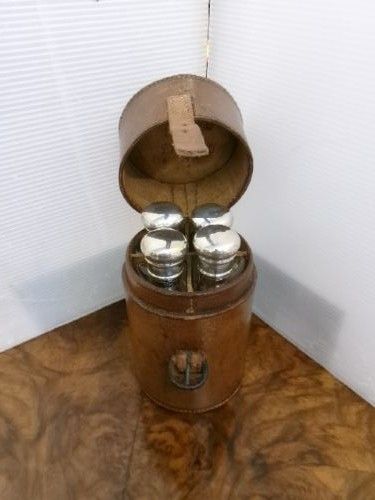
Certain drinking sets were specifically engineered for transport, including leather-cased flask collections and military campaign spirit boxes.
These portable units housed glass bottles and silver cups securely within fitted compartments to withstand movement during transit.
What is a rummer glass?
A rummer is a sturdy English drinking glass with a thick stem and a wide foot, popular throughout the Georgian and early Victorian eras.
These vessels served hearty wines and ales before the widespread adoption of modern stemware shapes.