
Antique Drinking Cup
An antique drinking cup spans centuries of silver, glass and treen, offering a tangible link to historical toasts and domestic rituals.
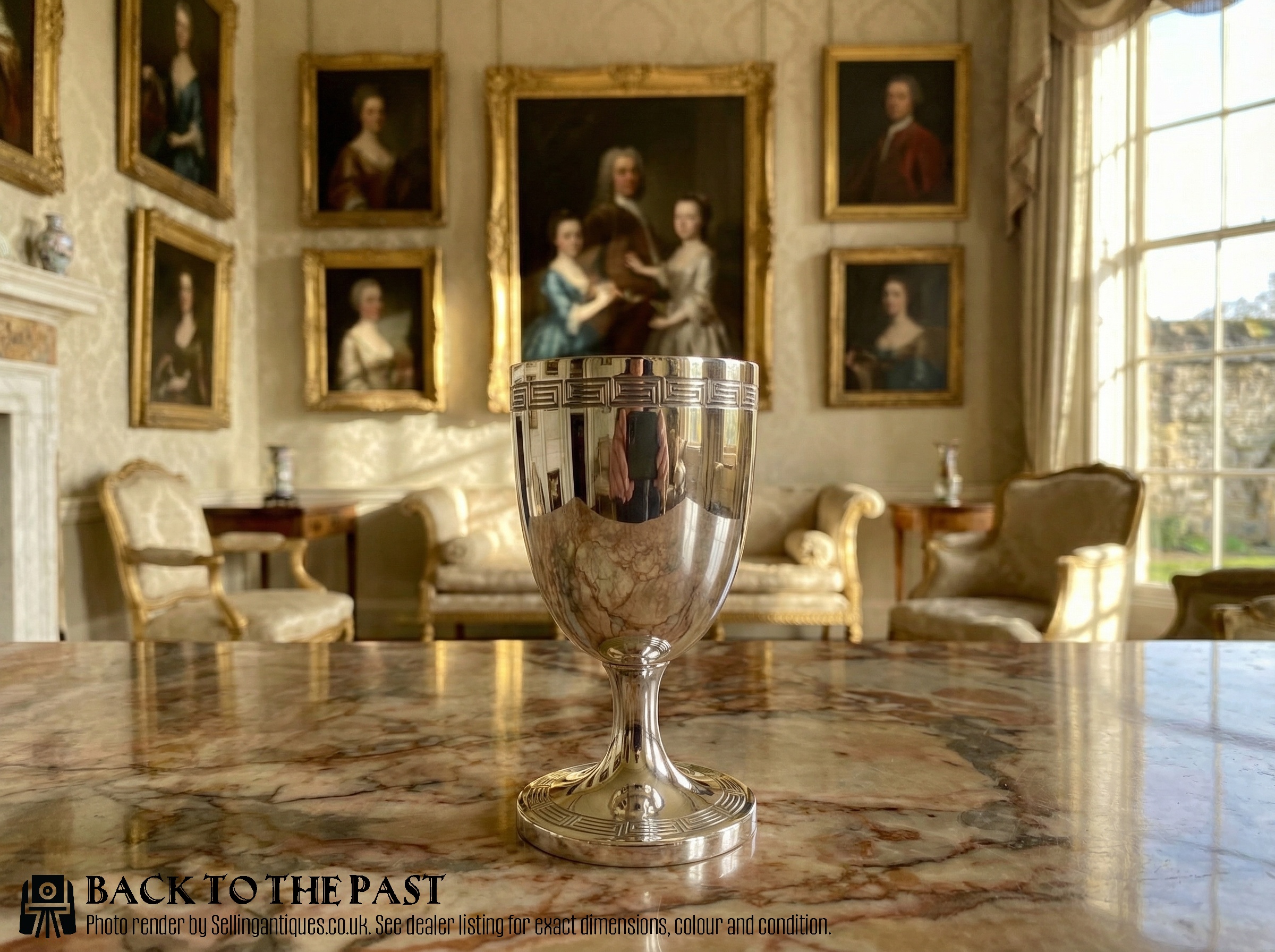
Antique Drinking Cup
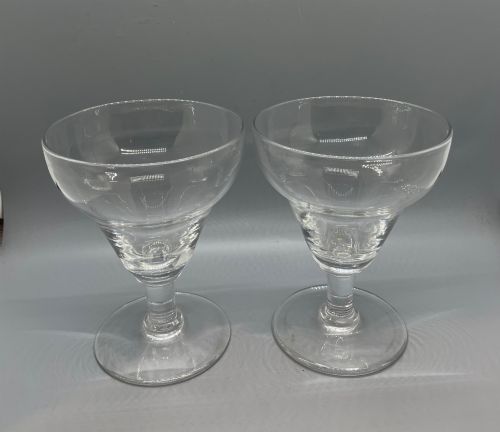
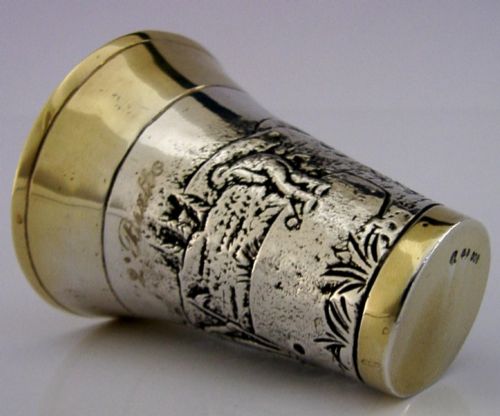
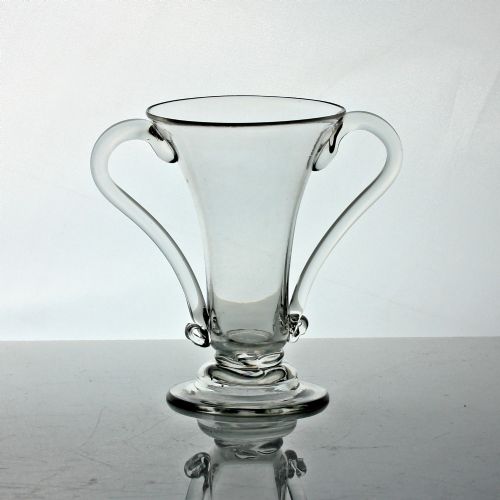
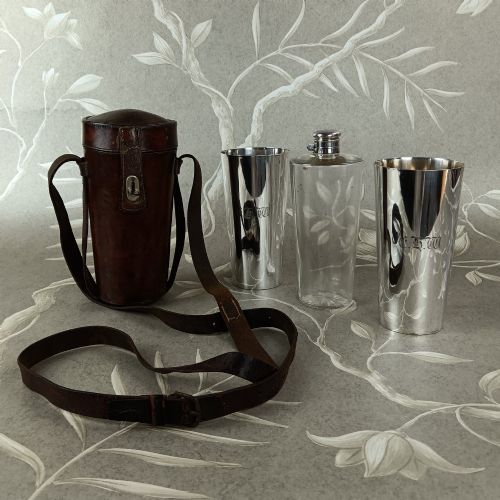
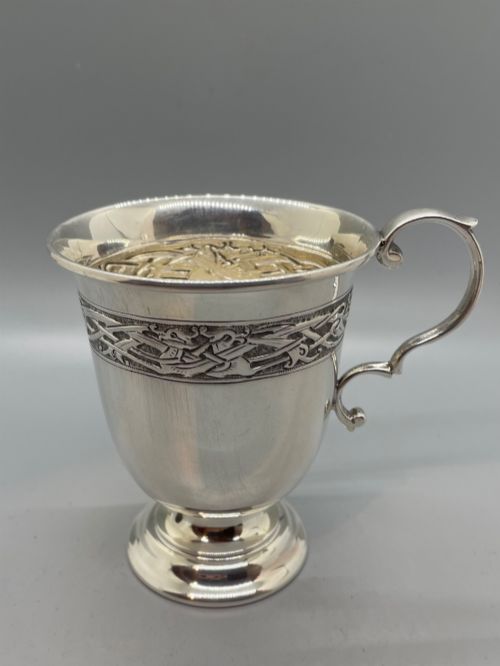
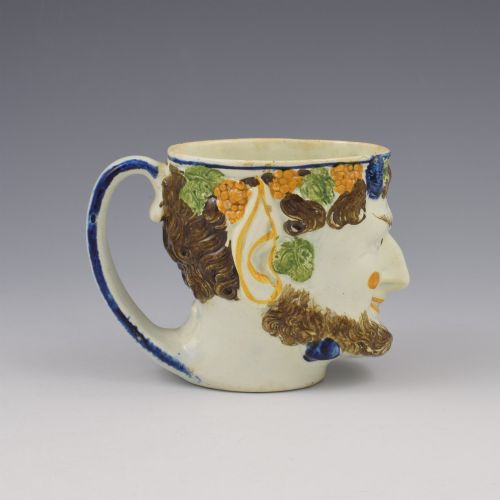
An antique drinking cup encompasses a diverse array of historic vessels designed for consumption, ranging from heavy silver tankards and delicate Georgian jelly glasses to treen fruitwood goblets and ceramic stirrup cups.
The selection on this page draws heavily from Georgian, Victorian and Edwardian eras, alongside pieces originating around nineteen hundred and the early decades of the twentieth century.
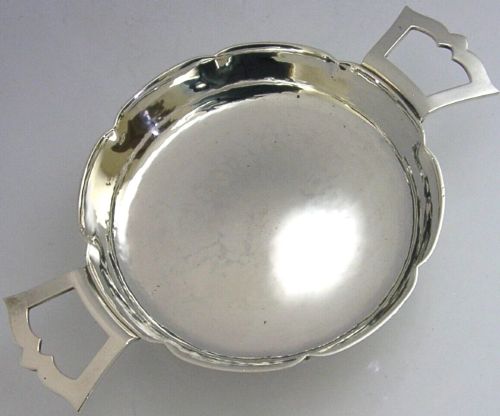
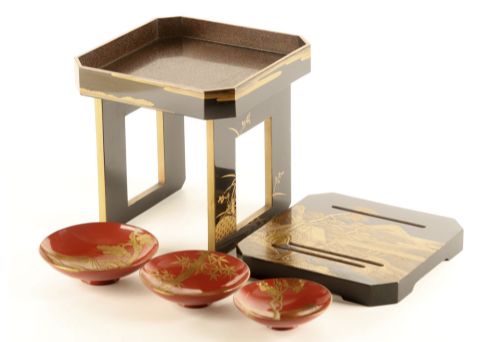
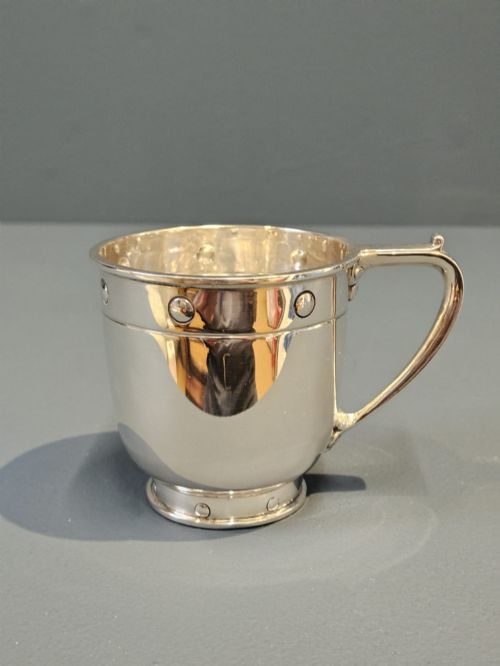
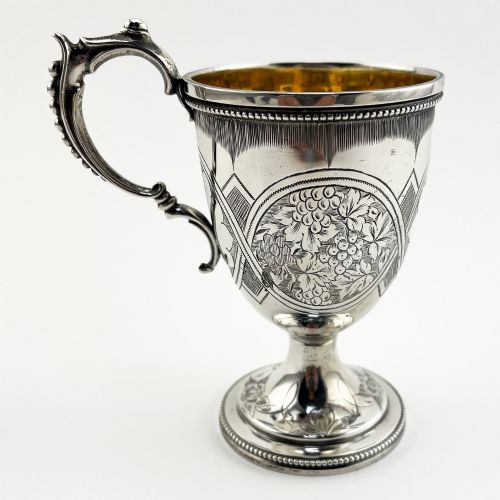
Buyers will encounter functional forms such as christening mugs, quaichs, beakers and spirit sets, reflecting both formal dining traditions and personal milestones.
How they were made
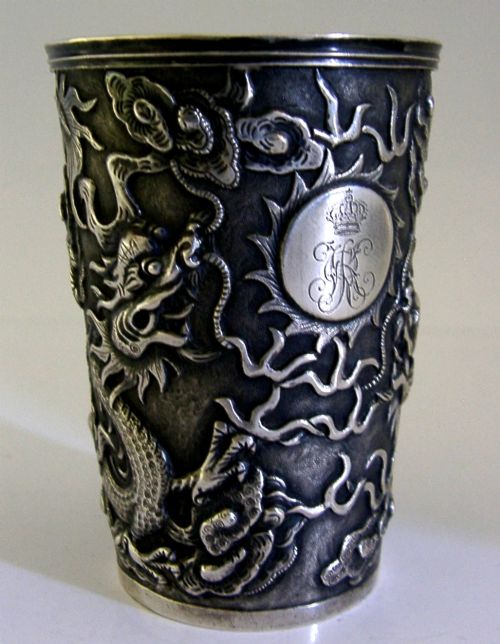
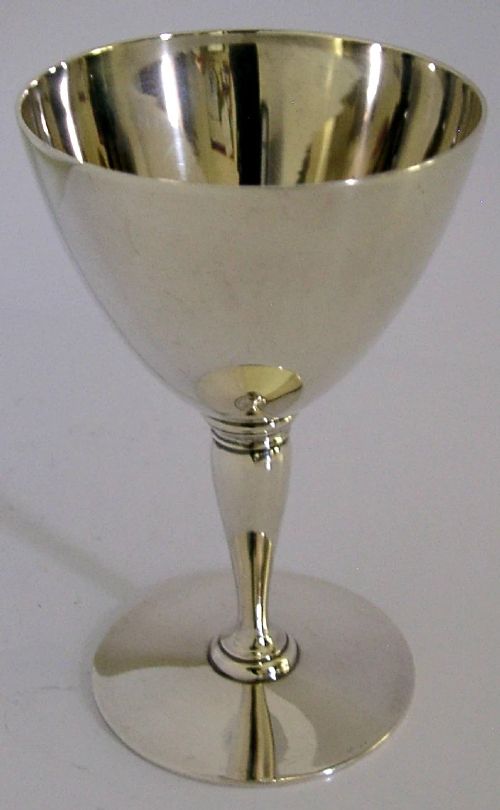
Metalsmiths utilised sterling silver, silver plate and pewter, shaping vessels through hammering, planishing and casting, often incorporating intricate engraving or parcel gilt finishes.
Glassware artisans produced clear glass, lead glass and crystal items using cutting, acid etching and moulding techniques to achieve decorative clarity.
Woodturners shaped organic materials like fruitwood and lignum vitae into treen goblets, while ceramic pieces relied on porcelain, pearlware and earthenware bodies decorated with glazes.
Listings feature items spanning the Georgian, Victorian and Edwardian periods, alongside early twentieth-century examples up to nineteen fifty-nine.
What varies in quality
The standard of an antique drinking cup rests upon the crispness of its decoration, whether through deeply chased silver ornamentation, sharply cut glass facets or finely turned wooden grain.
Weight and structural integrity distinguish superior examples, as thicker gauge silver, solid horn mounts and robust handles demonstrate enduring craftsmanship.
The distinction between standard production items and finer pieces lies in the precision of maker marks, the balance of the vessel form and the preservation of original surfaces.
Nathan and Hayes·Barker Bros·James Dixon and Sons·G R Collis·Duesbury and Kean
The Antique Drinking Cup Glossary
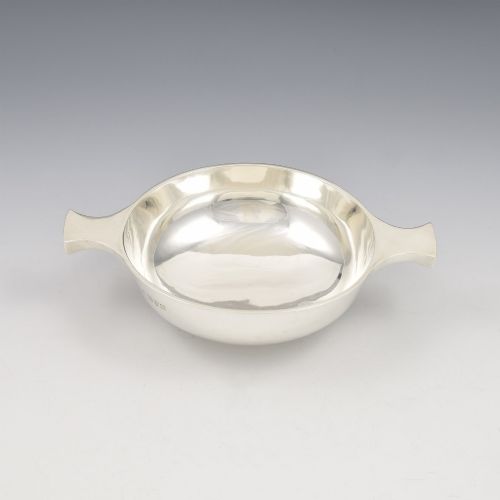
- Quaich
- A traditional Scottish two-handled drinking vessel used for spirits, often taking the form of a shallow bowl with flat lugs.
- Treen
- Small handmade wooden household objects created by turning on a lathe, frequently fashioned from dense timbers like lignum vitae.
- Stirrup cup
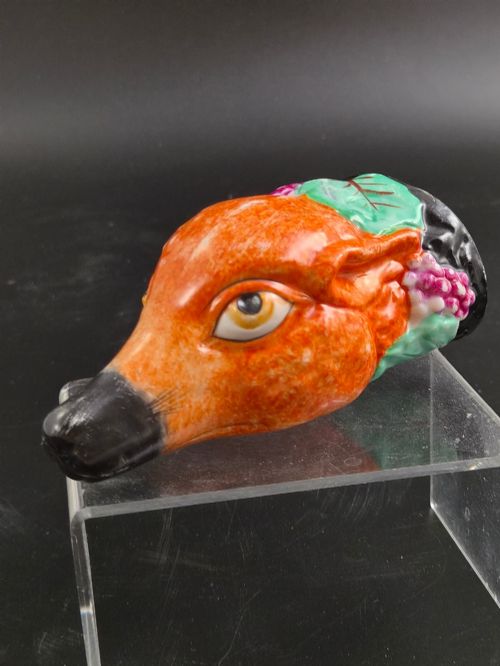
- A ceremonial beaker offered to riders before a hunt, historically designed without a flat base so it could not be set down.
- Beaker
- An open cylindrical drinking vessel lacking handles, produced in materials ranging from precious metals to export silver.
- Bonnet glass
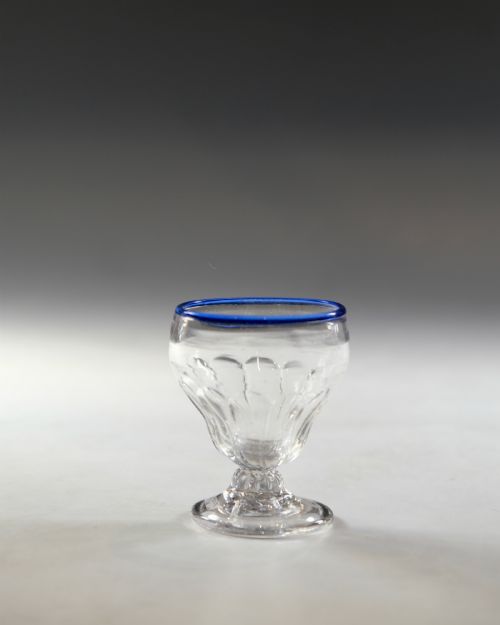
- A tall eighteenth-century stemmed glass utilised for serving small portions of jellies, trifles or syllabubs.
Antique Drinking Cup: Frequently Asked Questions
What is a quaich used for?
A quaich served as a traditional Scottish vessel for welcoming guests or sharing a farewell drink, typically filled with whisky or ale.
Its twin handles allowed the drinker to hold the cup securely with both hands, a design rooted in Highland hospitality and trust.
How were stirrup cups used?
Huntsmen consumed a final drink from a stirrup cup while remaining mounted in the saddle before setting off into the field.
The absence of a flat base on many antique examples meant the rider had to finish the contents immediately rather than put the cup down.
Can I use silver mugs daily?
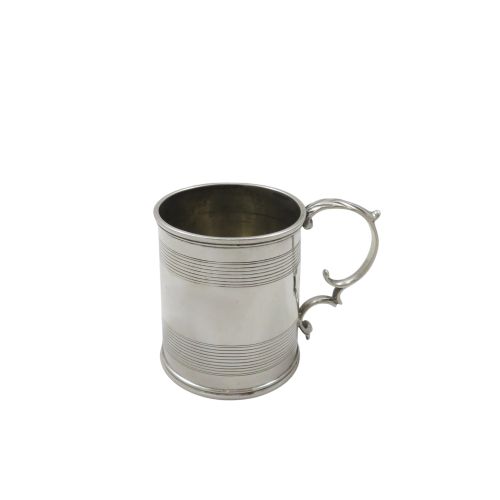
Sterling silver and silver-plated mugs can handle regular use for cold beverages, provided they receive gentle hand washing with mild soap.
Avoiding abrasive scourers preserves the historic patina and protects any delicate engraving or parcel gilt interior.
How do I date antique glassware?
Examining the base for pontil marks, manufacturing bubbles and the weight of lead glass helps establish the period of production.
Georgian and Victorian drinking glasses display distinct cutting styles and bowl proportions that shift noticeably across the decades.