




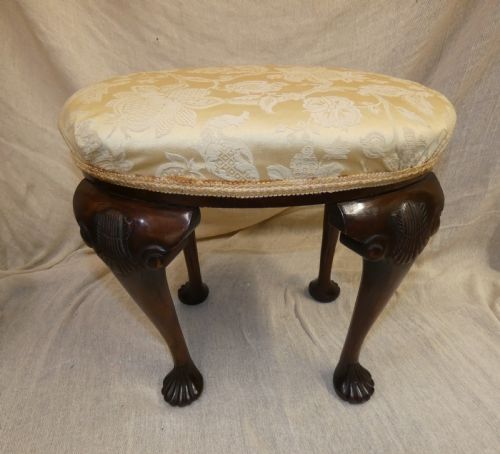
Antique Dressing Table Seating
Antique dressing table seating brings together stools, benches and chairs crafted to complete a bedroom suite with period charm.
Antique Dressing Table Seating
When you search for antique dressing table seating, you encounter a variety of forms designed specifically for the bedroom, from compact stools to side chairs and benches. The selection spans the nineteenth century up to the Art Deco period of the nineteen thirties, reflecting changing domestic habits.
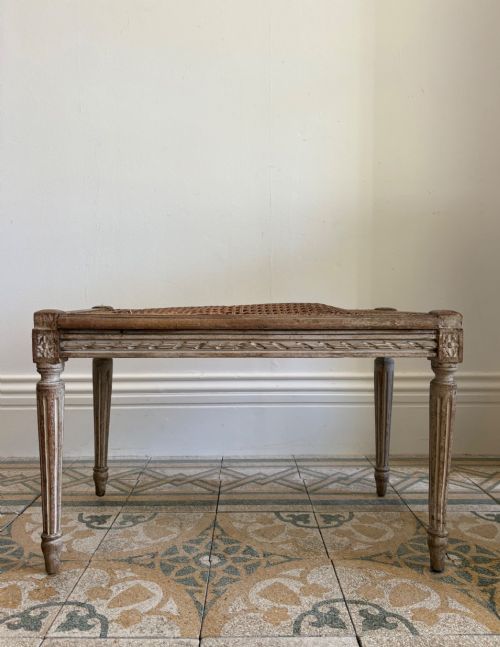
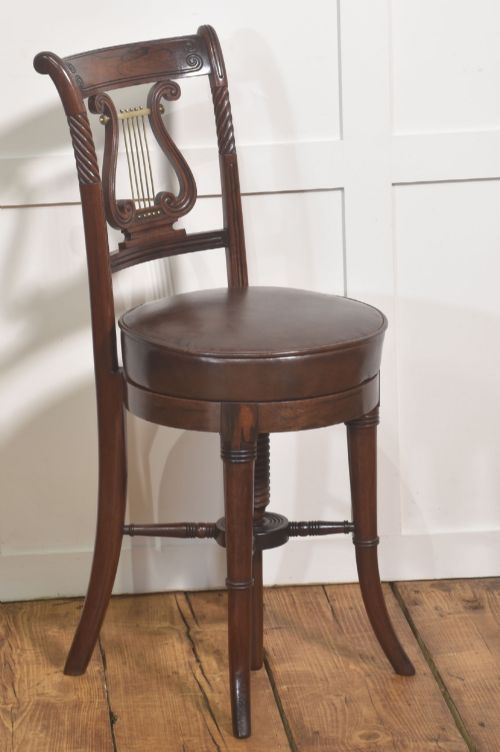
Stools dominate the offerings, appearing in forms such as oval seats, rectangular frames with cross stretchers, and revolving piano stools. You also meet side chairs with scroll carved backs and low-slung boudoir seats intended to tuck neatly beneath a vanity.
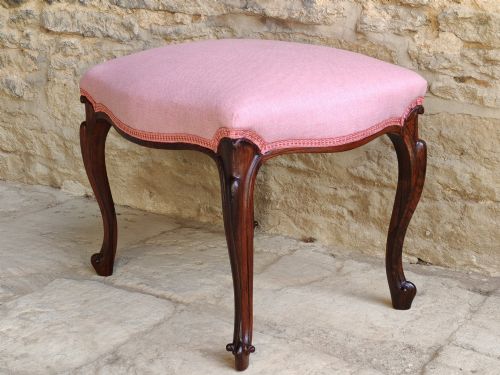
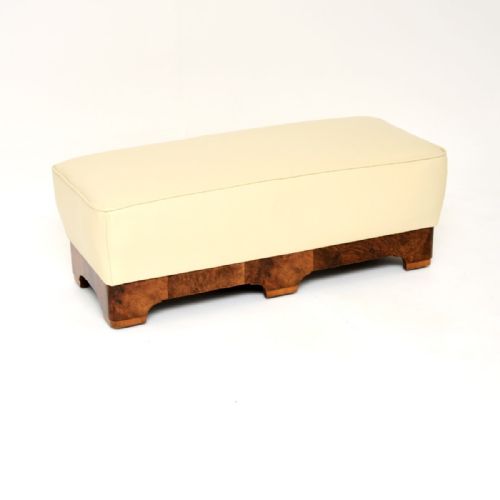
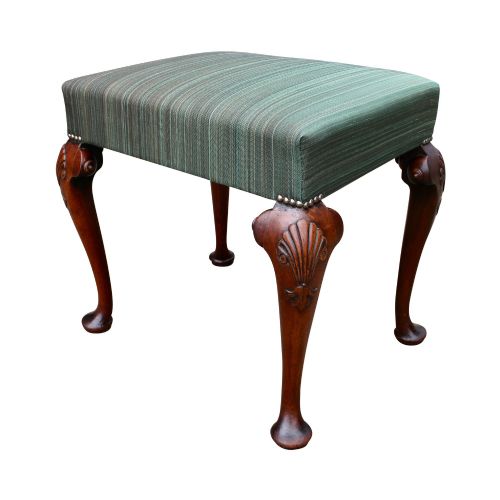
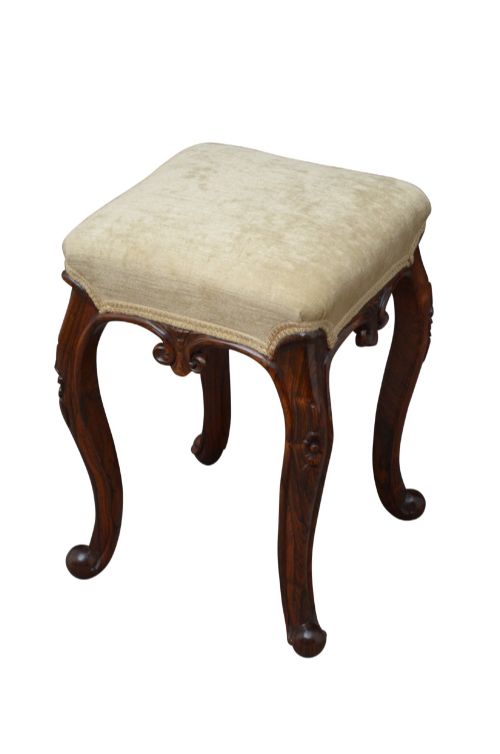
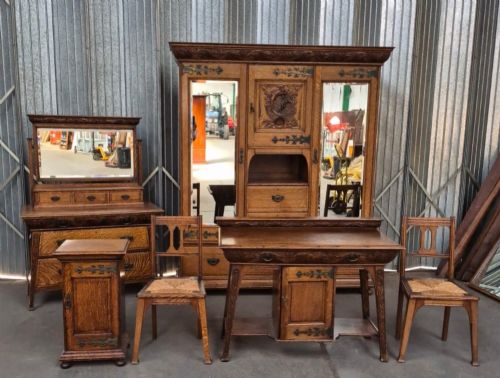
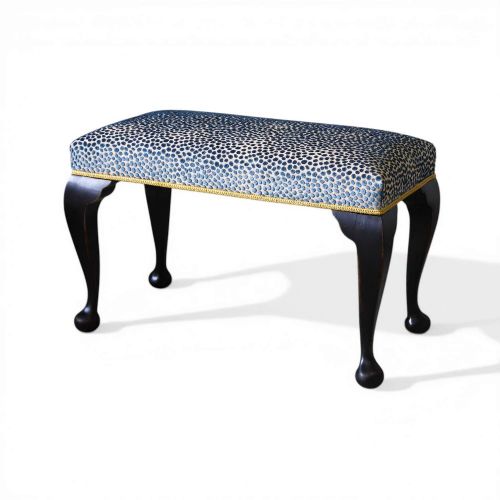
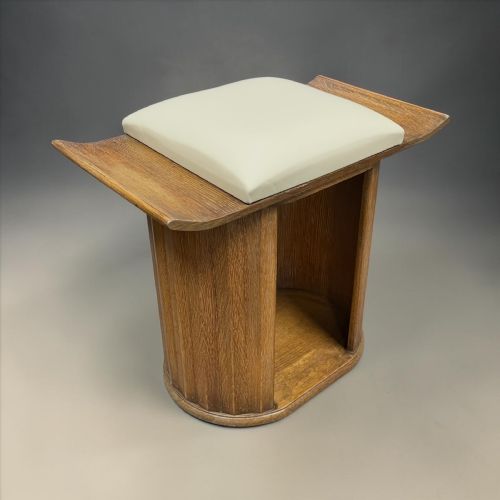
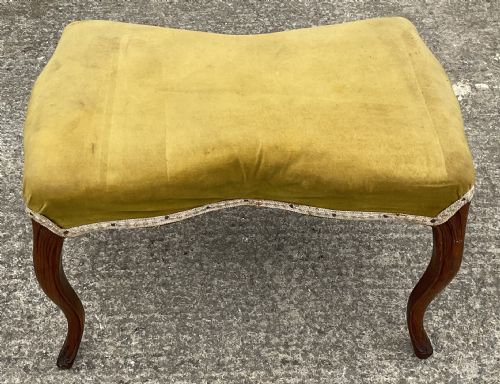
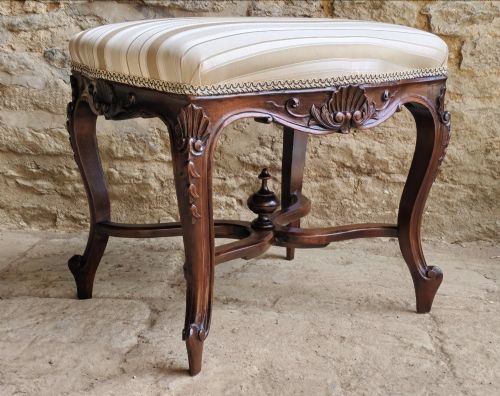
The aesthetic vocabulary stretches from Victorian and Edwardian revival styles to clean modernist lines. Queen Anne revival pieces with cabriole legs sit alongside Arts and Crafts golden oak frames and geometric walnut designs from the interwar years.
Materials and construction methods
Timbers form the structural core of these pieces, with walnut and mahogany appearing most frequently alongside satinwood, rosewood, oak and ebonised hardwoods. Artisans also utilised exotic woods like goncalo alves and birds eye maple for specific decorative effects on surfaces and legs.
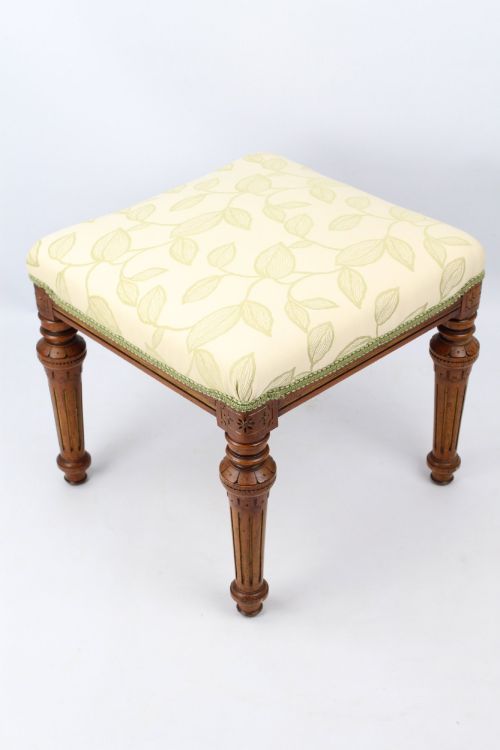
Upholstery completes the seating surfaces, incorporating traditional fabrics such as leather, velvet, textile and needlepoint. Frames often feature detailed carving, turned legs, twisted rope supports or applied gilding depending on the prevailing style of the period.
Antique Dressing Table Seating Retail Price Guide 2026
Typical asking prices for dressing table seating among the pieces listed under this phrase on Sellingantiques today, from the lower quarter to the upper quarter. They describe what is for sale here now, not the wider market.
Listings feature walnut and mahogany predominantly, alongside oak, rosewood and exotic satinwood across Victorian and Art Deco eras.
Distinctions in quality
The refinement of the timber carving and the choice of primary wood set finer examples apart from simpler utility pieces. Dense native hardwoods and carefully selected veneers indicate higher workshop standards during manufacture.
The integrity of the frame construction and the quality of the upholstery materials determine longevity and tactile appeal. Pieces retaining original or sympathetic period coverings display greater historical coherence than those with unsympathetic modern replacements.
Harry and Lou Epstein
The Antique Dressing Table Seating Glossary
- Cabriole leg
- A furniture leg that curves outward at the knee and tapers inward at the ankle, ending in a pad or foot. This form derives from classical animal leg shapes and became prominent in Queen Anne revival pieces.
- Cross stretcher
- Wooden rails connecting the lower legs of a stool or chair diagonally or horizontally for added stability. They often feature central turnings or carved bosses.
- Goncalo Alves
- A dense tropical hardwood with distinctive dark brown and golden contrasting figuring. Craftsmen utilised it in high-end Victorian cabinetwork and seating frames.
- Needlepoint
- A form of counted thread embroidery stitched onto canvas to create durable seat covers. It appears frequently on Victorian and Edwardian stools.
- Revolving
- A mechanical feature allowing the seat top to spin on a central threaded spindle. This design allowed users to adjust height easily at the vanity.
Antique Dressing Table Seating: Frequently Asked Questions
How do I choose the right height?
Measure the clearance beneath your dressing table before selecting a seat to ensure comfortable legroom. Most period stools sit lower than standard dining chairs to fit beneath vanity drawers.
Consider whether you prefer a fixed height or a revolving mechanism that allows minor adjustments. Upholstery squab thickness also affects the overall seating plane.
Can I use a piano stool instead?
Many period piano stools share identical dimensions and upholstery styles with dressing table seating. Their adjustable mechanisms make them particularly adaptable for vanity use.
Look for rectangular or circular wooden frames that match the primary wood of your bedroom suite. Storage compartments found in some piano stools offer practical utility for small accessories.
How do I date a wooden stool?
Examine the secondary timbers underneath and the joinery methods used to assemble the frame. Hand-cut dovetails and traditional pegging usually point toward nineteenth-century origins.
Stylistic cues like cabriole legs indicate revival periods, while clean geometric veneers suggest nineteen-thirties modernist production. Comparing the secondary wood grain helps confirm the era of manufacture.
Are these seats suitable for daily use?
Solid hardwood frames built during the Victorian and Edwardian eras offer robust structural integrity for everyday seating. Routine domestic use places little strain on pieces originally engineered to support an adult.
Periodic checking of joints ensures the frame remains steady over time. Modern textile conservation can also preserve fragile antique needlepoint or leather surfaces.