


Antique Dressing Table Chest
When searching for an antique dressing table chest, one finds a sturdy hybrid of storage and morning preparation dating from the Georgian era to the early twentieth century.
Antique Dressing Table Chest
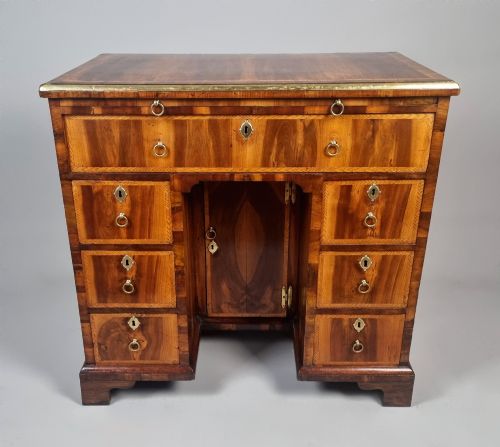
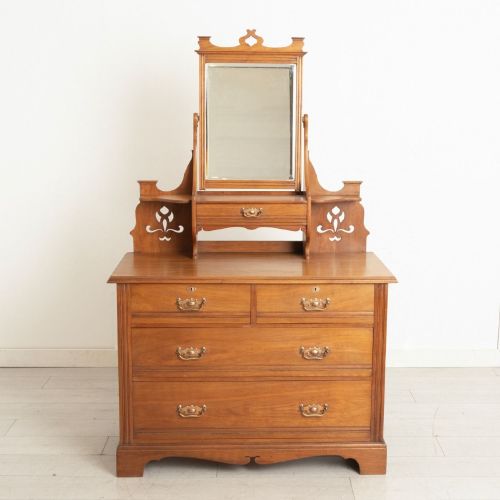
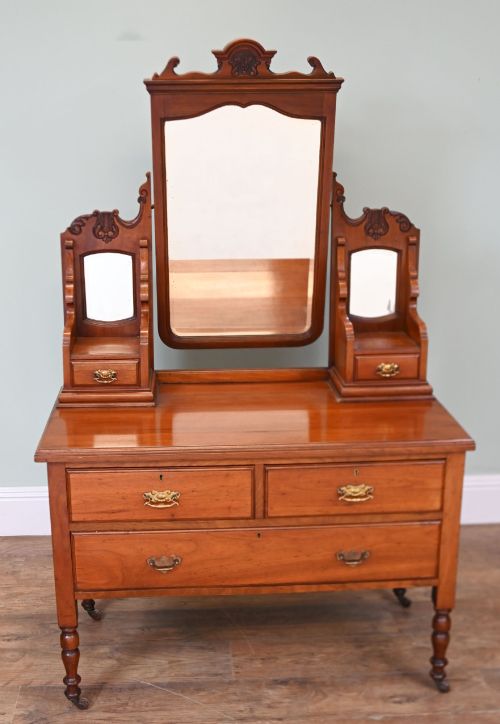
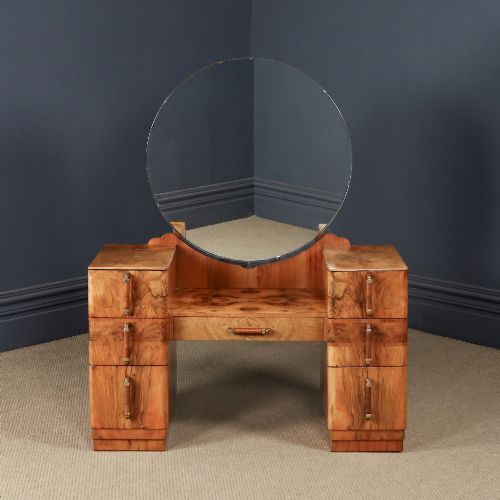
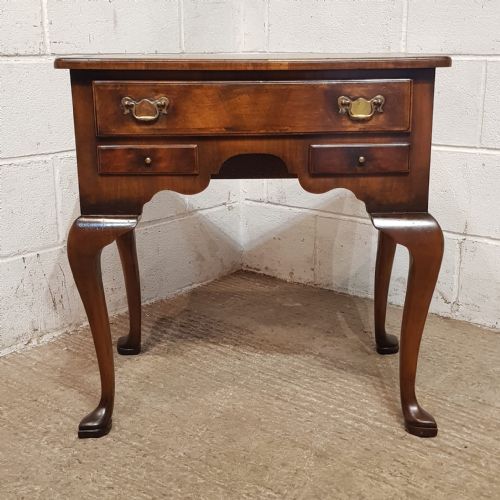
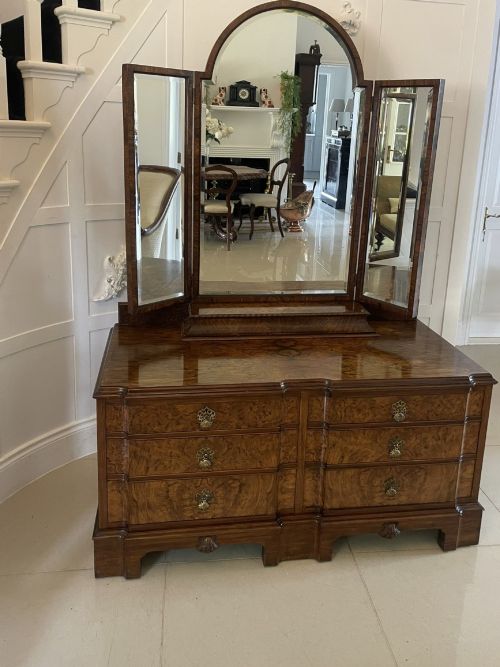
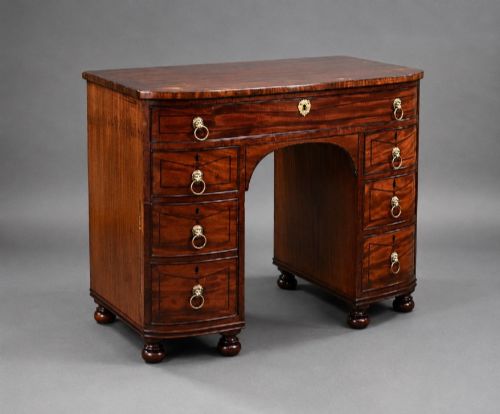
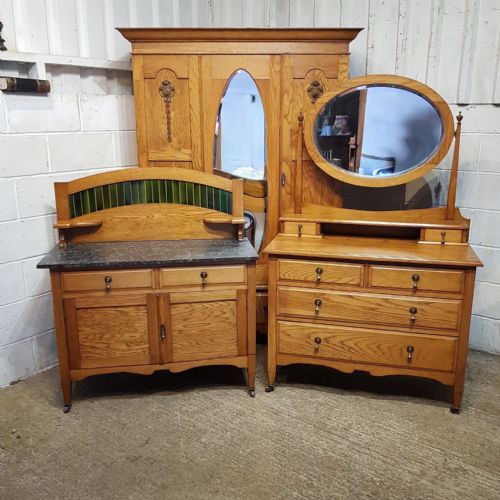
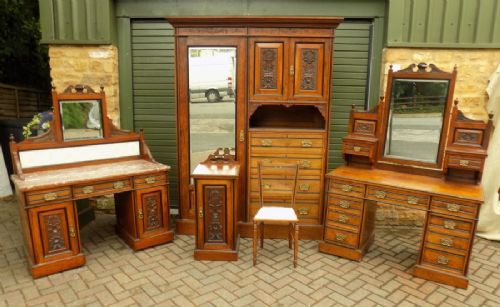
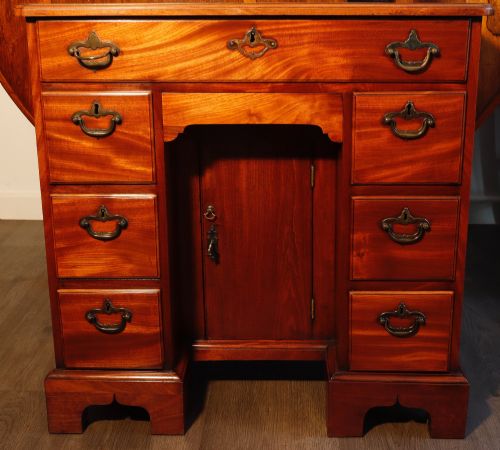
An antique dressing table chest combines the deep, stacked drawers of a standard chest with the surface space and mirror arrangement required for personal grooming. These pieces range from compact Georgian lowboys and kneehole desks to substantial Victorian and Edwardian mirror-backed washstands and bedroom suites.
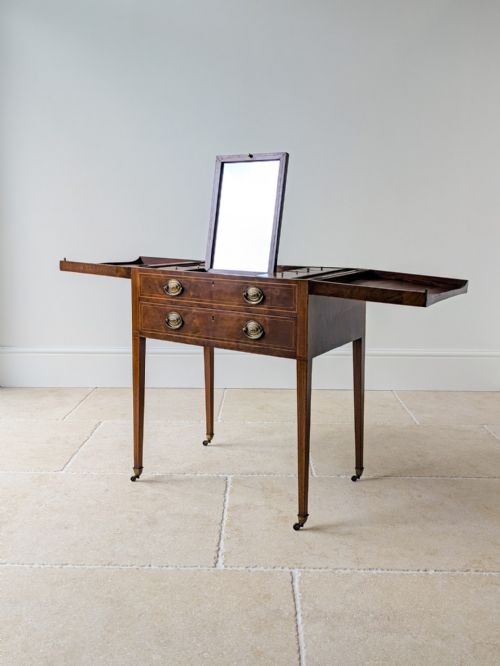
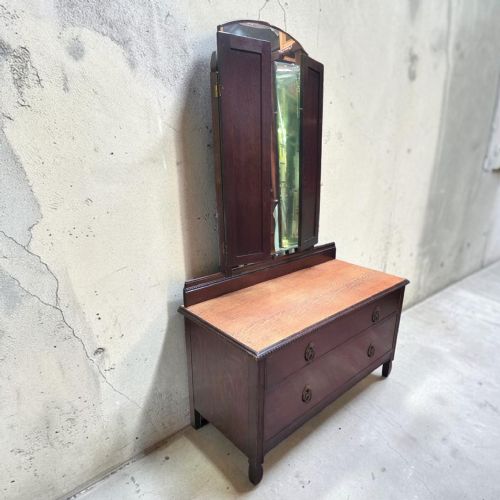
The most common examples encountered on this page date from the late Victorian and Edwardian periods, often constructed in mahogany, walnut, or pine. Many incorporate pivoting shield mirrors, trinket drawers, and sliding boards intended for writing or resting accessories.
How they were made
Cabinet makers utilised solid and veneered timbers including mahogany, walnut, burr walnut, oak, and pine, selecting figured grains for drawer fronts and mirror surrounds. Brass handles, ormolu mounts, and original glass swing mirrors complete the construction.
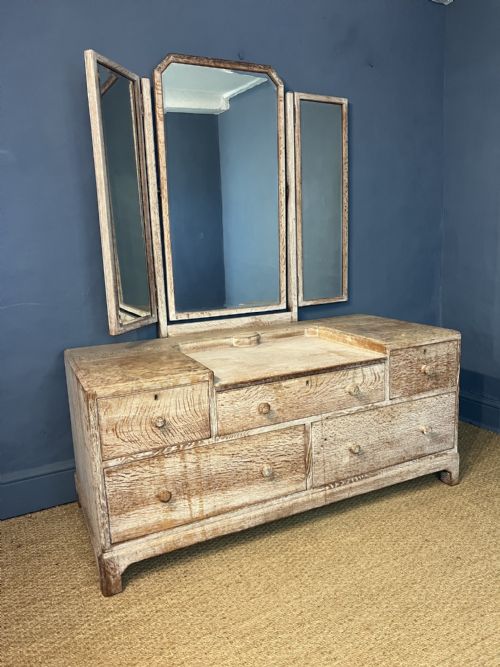
Joinery techniques relied on traditional dovetailed drawer boxes and mortise and tenon frames, while later twentieth-century pieces introduced limed oak and maple finishes alongside simpler framing.
Materials documented across the inventory include solid mahogany, burr walnut, figured maple, green stained ash, and painted pine.
What varies in quality
Quality rests upon the selection of timber veneers, such as richly figured burr walnut or dense mahogany, and whether secondary woods like pine are used judiciously inside drawer carcases. The integrity of the original mirror glass and brass hardware also distinguishes standard production from finer workshop output.
Construction details such as hand-cut dovetailing, intact maker labels, and surviving original fittings elevate certain examples above simpler utility pieces intended for everyday bedroom use.
Heals·Frank Taylor and Co·George Walton·Shoolbred and Co·Maple and Co·Ray and Miles
The Antique Dressing Table Chest Glossary
- Lowboy
- A small oak, walnut, or mahogany table with drawers, typically standing on four tall legs and functioning as a primitive dressing or writing surface.
- Kneehole desk
- A compact desk or dressing table featuring a central recess flanked by pedestals of stacked drawers.
- Duchess dressing table
- A large Victorian dressing table style characterised by a large central pivoting mirror supported by smaller jewellery drawers above a serpentine or straight base.
- Limed oak
- A pale, pickled wood finish popularised by modernist makers in the early twentieth century to highlight the open grain of oak furniture.
Antique Dressing Table Chest: Frequently Asked Questions
What is an antique dressing table chest?
An antique dressing table chest is a piece of bedroom furniture that merges a set of functional storage drawers with a dedicated surface and mirror for grooming.
These hybrids evolved across the eighteenth, nineteenth, and early twentieth centuries, appearing in woods like mahogany, walnut, and oak.
How do I date an antique dressing table chest?
Dating relies on observing the primary timbers, drawer construction techniques, and the style of the attached mirror frame.
Georgian examples tend to be austere kneeholes or lowboys, while Victorian and Edwardian iterations frequently feature elaborate burr veneers and tiled or mirrored superstructures.
Are the mirrors on these chests original?
Many dressing table chests retain their original bevelled or flat glass swing mirrors, though some have been replaced over the decades due to silvering degradation.
Original mirrors often show subtle foxing and distortion that match the age of the supporting timber frame.
How do I care for burr walnut veneer?
Burr walnut requires gentle cleaning with a dry or barely damp cloth, avoiding modern silicone polishes that can degrade aged shellac or wax finishes.
Keeping the timber away from direct sunlight and severe humidity changes prevents the delicate veneers from lifting or splitting.