





Antique Dresser Accessories
Antique dresser accessories are practical and decorative domestic objects found on dressing tables and boudoirs, offering a touch of period elegance to daily routines.
Antique Dresser Accessories
When you search for antique dresser accessories, you are looking at items that populate the dressing table and boudoir from various historical periods. The pieces on this page span the Victorian, Edwardian, and mid-twentieth century eras.
You will most commonly encounter small containers and personal care items designed for personal grooming. These range from trinket boxes and porcelain powder bowls to perfume bottles and pin cushion doll heads.
The selection also bridges related domestic categories, including small silver boxes, desk sets, and occasionally items that cross over from fireside or equestrian uses. Each piece reflects the personal habits and interior tastes of its original owner.
Materials and construction
Materials recorded in these pieces include sterling silver, silver plate, brass, porcelain, wood, steel, and glass. Metals are frequently worked with gilding or formed into specific decorative styles such as Art Deco and the Aesthetic Movement.
Silver items often feature hallmarks indicating assay offices like Birmingham, alongside maker marks from firms such as A & J Zimmerman Ltd. Ceramic and glass elements demonstrate specialised moulding and firing techniques from factories in France and Germany.
The design styles represented range from late Victorian and the Aesthetic Movement to Art Deco and Mid-Century Modern.
Assessing quality and craftsmanship
Quality in these items rests upon the crispness of detail in metalwork and the precision of gilding or internal linings. Pieces with clear hallmarks and recognised makers display a higher degree of finish than unmarked equivalents.
The choice of material heavily influences the calibre of the object, with substantial sterling silver and fine porcelain representing the upper tier of manufacture. Integrated design elements, such as fitted glass inserts or opalescent finishes, further distinguish finer examples.
A & J Zimmerman Ltd·W M F·Limoges·Hermes·William Goebel·Sabino
The Antique Dresser Accessories Glossary
- Hallmark
- An official stamp applied to precious metals indicating the standard of purity, the assay office, and the date of production. These marks are essential for dating and attributing silver items.
- Gilt lining
- A thin layer of gold applied to the interior of a silver box or container. This technique protects the silver from tarnishing when in contact with cosmetics or tobacco.
- Opalescent
- Glass that displays a milky, iridescent quality with shifting tones of colour when caught by the light. It is a characteristic feature of certain decorative French glassware from the early twentieth century.
- Aesthetic Movement
- A late nineteenth-century design style that emphasised visual beauty over narrative or moral themes. Objects from this movement often incorporate stylized natural motifs and clean lines.
- Trinket box
- A small container used for storing jewellery, hairpins, or small personal valuables. These boxes are frequently lined with silk or velvet and made from silver, wood, or porcelain.
Antique Dresser Accessories: Frequently Asked Questions
What are antique dresser accessories used for?
These items were created to hold cosmetics, jewellery, hair accessories, and small personal items on a dressing table. They served both a functional role in daily grooming and a decorative purpose in the bedroom.
Today, they are collected to display on dressing tables or sideboards, continuing their original function as small storage containers or decorative accents.
How do I date a silver dresser box?
Dating silver relies on reading the hallmarks stamped into the metal, which typically include a maker's mark, a purity standard mark, an assay office mark, and a date letter.
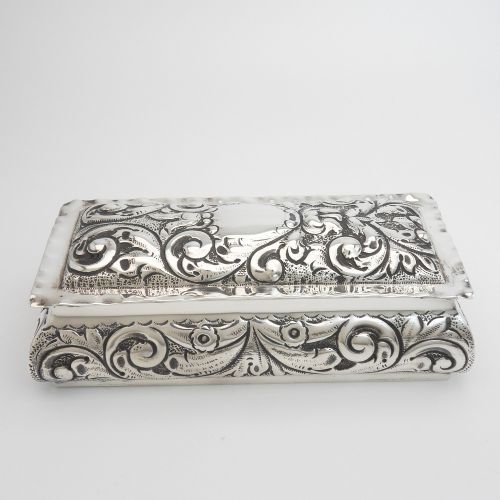
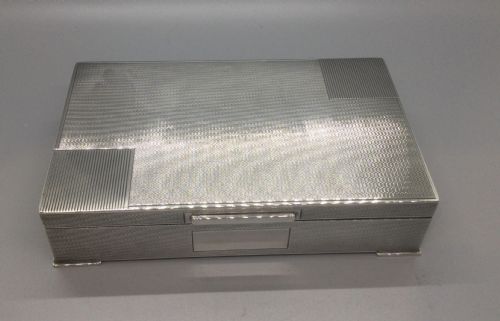
Comparing the style, such as an Art Deco geometric shape or a Victorian floral engraving, alongside any visible hallmarks provides an accurate period for the piece.
Are powder bowls and perfume bottles fragile?
Porcelain powder bowls and glass perfume bottles require careful handling due to the nature of their materials. Ceramic edges and opalescent glass can chip or crack if subjected to knocks.
Displaying them away from high-traffic areas and cleaning them gently without harsh abrasives helps preserve their physical condition over time.
How do Art Deco pieces differ from Victorian ones?
Victorian dresser items often feature elaborate ornamentation, floral motifs, and heavier cast metals reflecting the tastes of the nineteenth century. They prioritize texture and historic revival styles.
Art Deco accessories from the 1930s favour streamlined geometric forms, smooth surfaces, and modern industrial materials, showing a distinct shift towards simplicity and symmetry.