

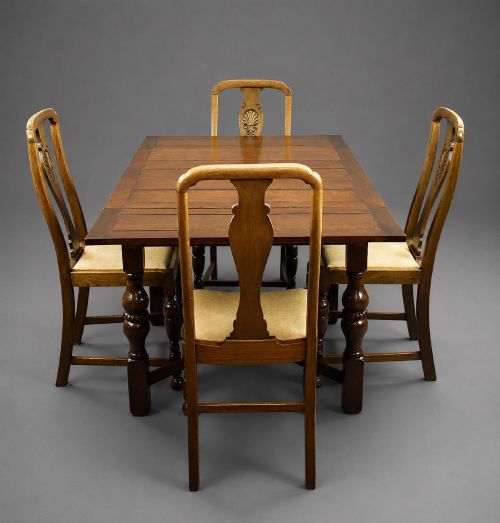
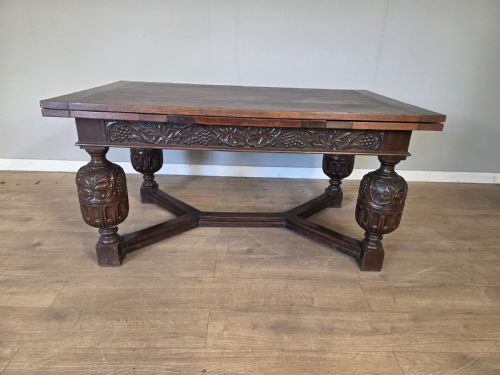
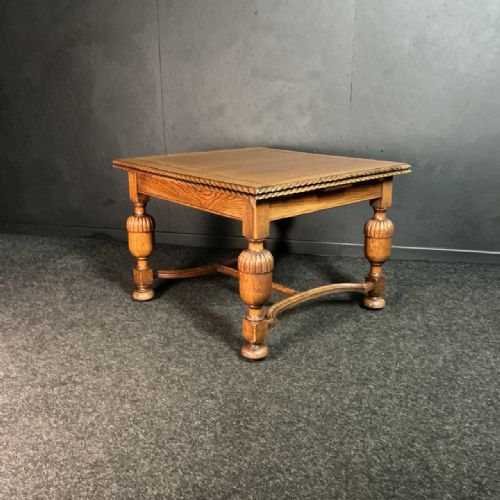
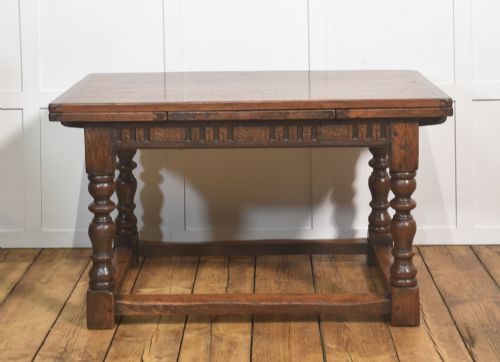

Antique Drawing Table
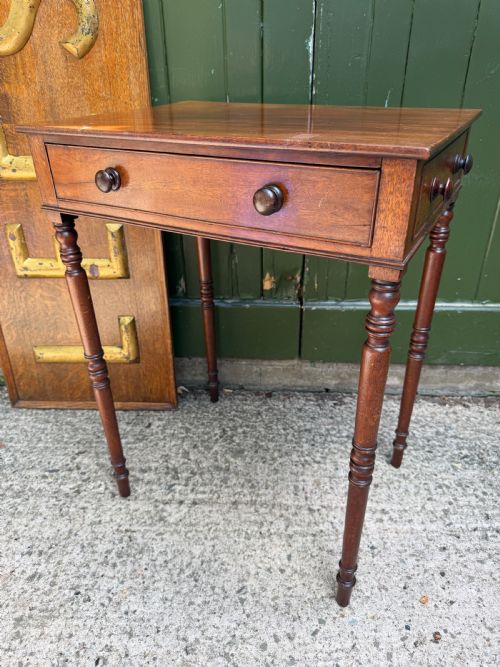
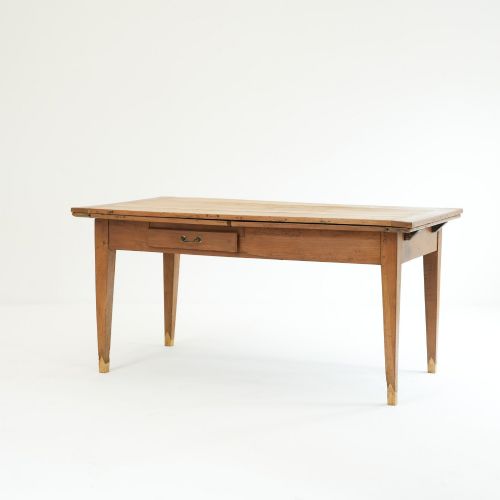
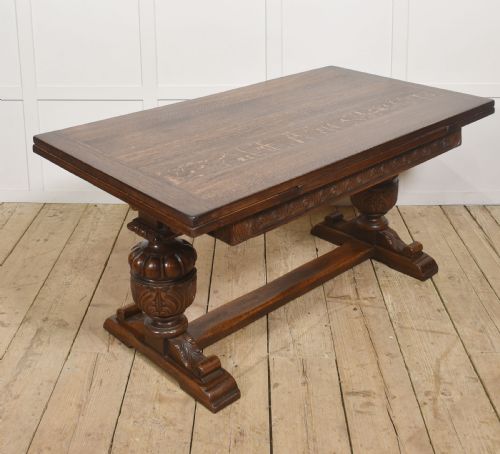
An antique drawing table provides a solid timber surface designed for drafting and design work, offering mechanical ingenuity alongside period character.
Antique Drawing Table
An antique drawing table serves as a functional workspace engineered for drafting, planning, and architectural illustration. Buyers searching for an antique drawing table encounter substantial timber surfaces designed with adjustable mechanisms.
The selections span several centuries, featuring formats from the Georgian era through the Victorian period and the early twentieth century. Many examples incorporate clever extendable leaves or sloping tops suited to detailed work.
Originating from English and continental workshops, these pieces combine utility with cabinet-making traditions. Oak, mahogany, and fruitwood form the primary structural timbers across the available selection.
Construction and Materials
Cabinet makers utilised dense hardwoods including oak, mahogany, walnut, and fruitwood to build sturdy frames capable of supporting heavy use. Joinery techniques such as mortise and tenon ensure structural rigidity in extending and refectory formats.
Brass fittings frequently appear on mechanical components, providing durable adjustment points for hinges, brackets, and sliding supports. Inlays and parquetry occasionally decorate the timber surfaces of higher-status examples.
Antique Drawing Table Retail Price Guide 2026
Typical asking prices for drawing table among the pieces listed under this phrase on Sellingantiques today, from the lower quarter to the upper quarter. They describe what is for sale here now, not the wider market.
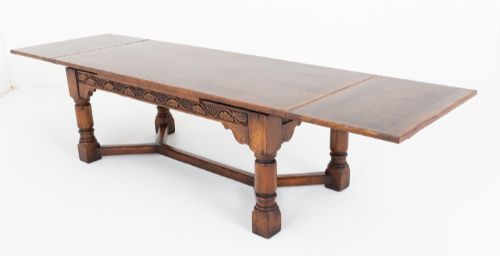
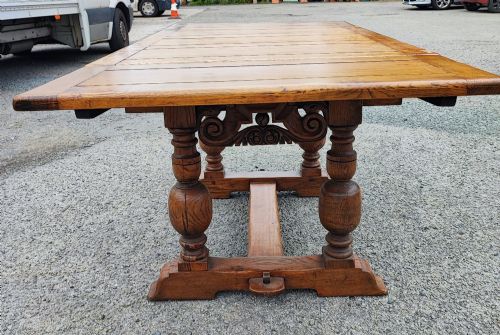
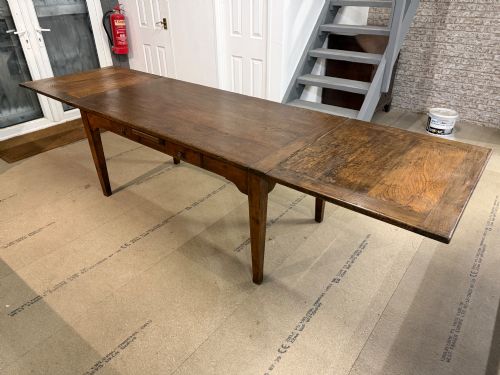
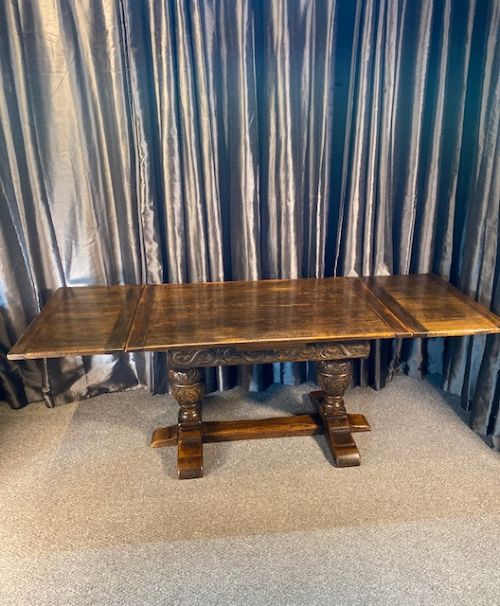
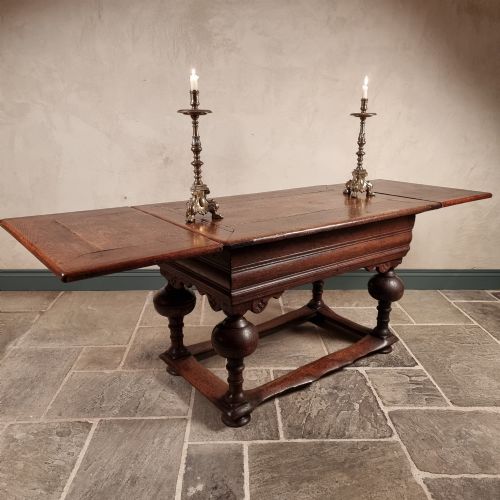
Extendable mechanisms include draw-leaf systems alongside drop-leaf and refectory configurations.
Assessing Quality and Execution
The grade of an antique drawing table depends upon the selection of timber and the precision of its mechanical joints. Superior examples display tightly fitted extension leaves and smooth mechanisms that operate without binding.
Carved details and proportions distinguish workshop output, with finer pieces exhibiting crisply rendered ornament rather than mechanical repetition. Original surface patination on oak or mahogany directly impacts the visual coherence of the finished piece.
Heals·Maple and Co·Gillows
The Antique Drawing Table Glossary
- Draw leaf table
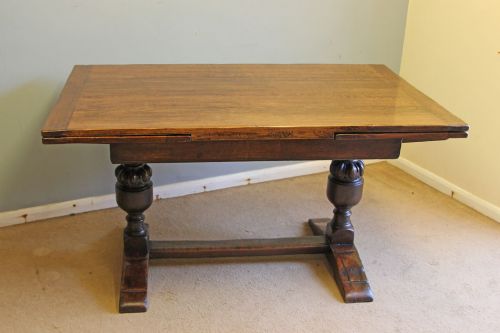
- A dining or work table fitted with pull-out leaves stored beneath the main top. These extensions slide out to increase the usable surface area.
- Refectory table
- A long, narrow dining table traditionally built with solid timber legs and a central stretcher. Early examples utilise heavy oak construction.
- Parquetry
- A geometric mosaic of wood pieces used for decorative ornamentation on tabletops. This technique creates patterned surfaces using contrasting timbers.
- Bread slide
- A pull-out wooden board integrated into the framing of a table or desk. It historically provided extra staging space for food or documents.
- Architects table
- A specialised desk featuring a tilting top and internal storage compartments for papers and drawing implements. These items date primarily from the Georgian and Regency periods.
Antique Drawing Table: Frequently Asked Questions
How do extending tables work?
Extending tables typically employ draw-leaf mechanisms where hidden leaves slide out from beneath the primary surface. This design allows the table length to increase rapidly.
Internal runners guide the movement to ensure the expanded top remains stable and level for daily use.
Which woods were used?
Cabinet makers predominantly utilised oak, mahogany, walnut, and fruitwoods like cherry. These dense timbers provided the necessary strength for heavy daily tasks.
Secondary woods such as pine occasionally appear in structural framing beneath the primary show timbers.
How do I date a piece?
Dating relies upon examining construction methods, timber selection, and hardware styles across different historical periods. Georgian and Regency pieces display specific cabinet-making traits distinct from later Victorian or Edwardian manufacturing.
Tool marks, joint types, and the presence of secondary timbers offer reliable clues to a table's age and origin.