
Antique Drawers Kingwood
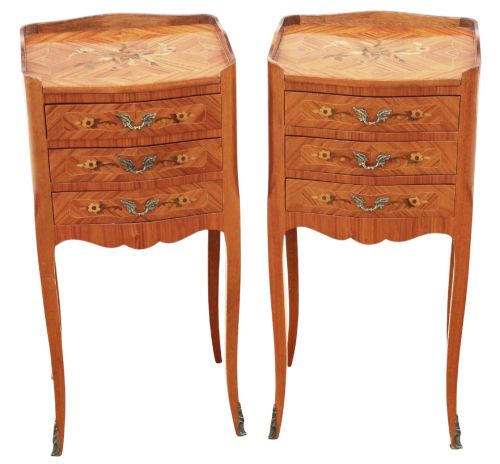
When searching for antique drawers kingwood, you encounter sophisticated French commodes and bedside cabinets defined by rich veneers and decorative mounts.
Antique Drawers Kingwood
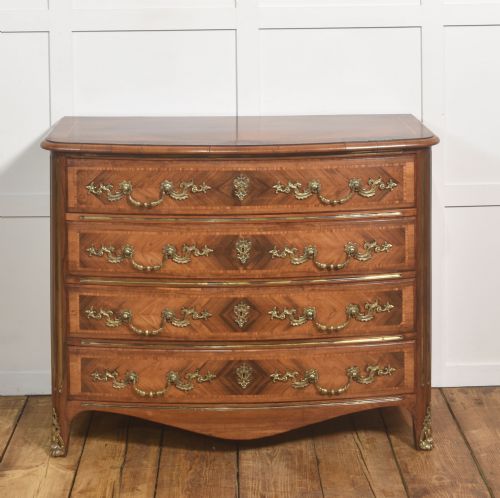
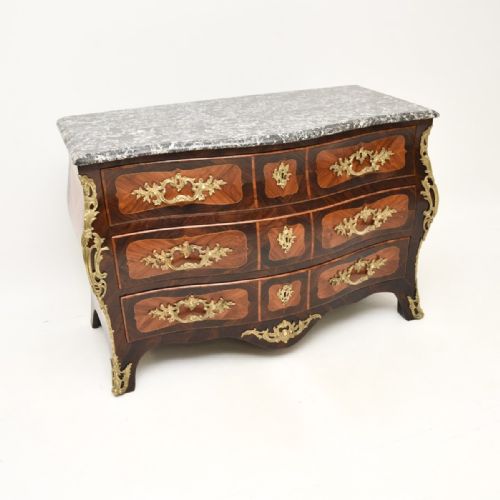
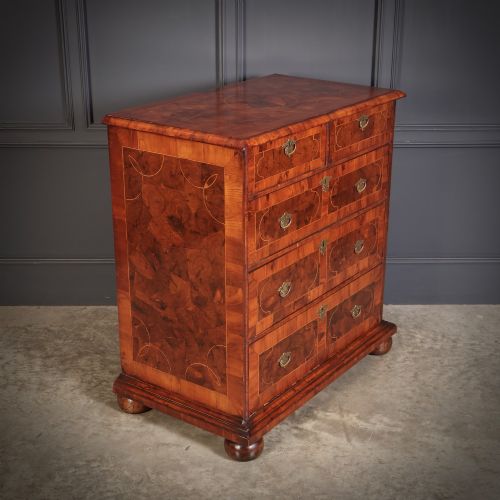
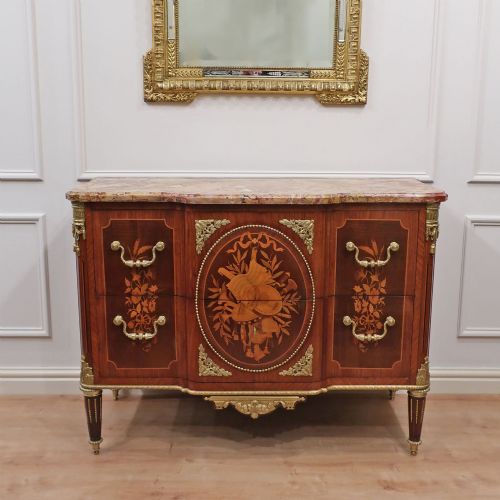
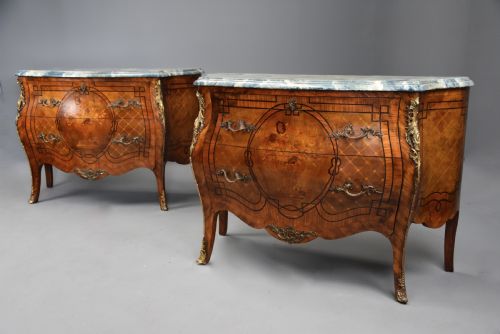
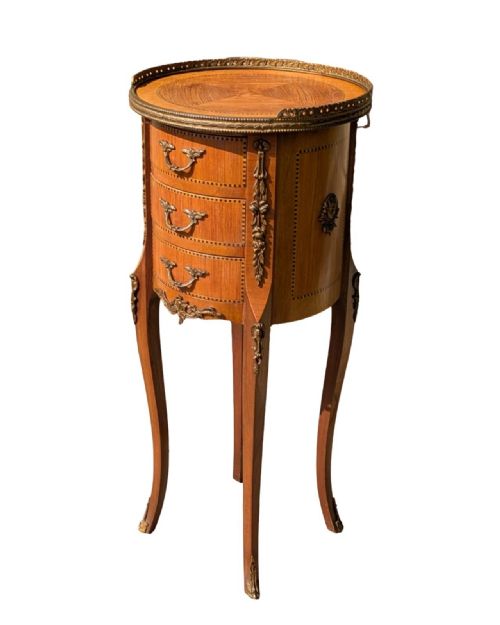
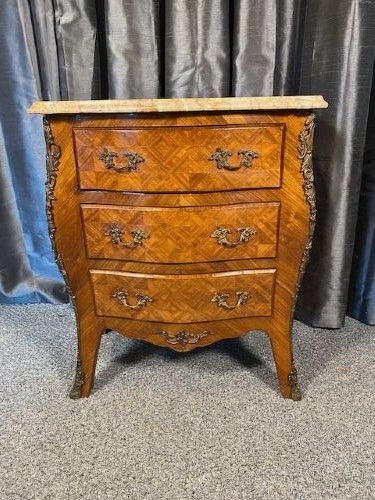
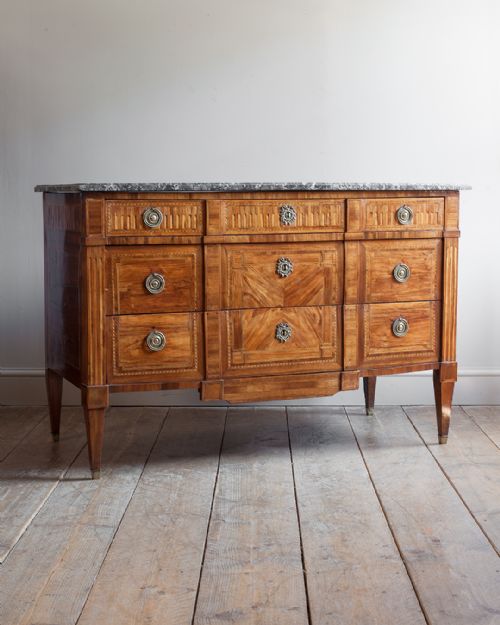
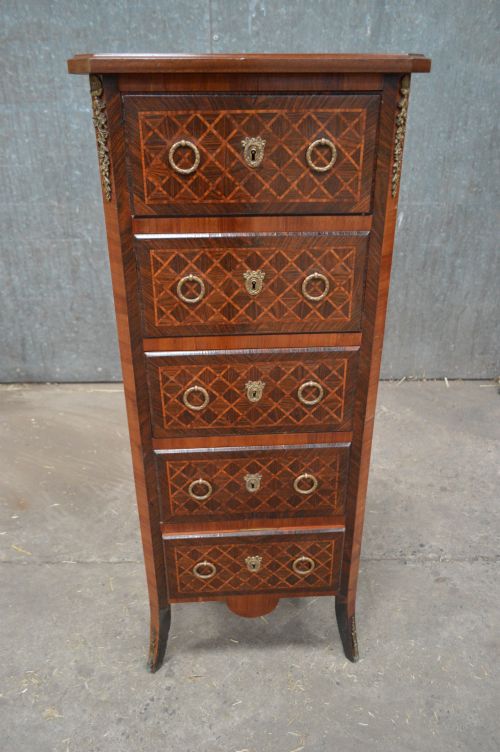
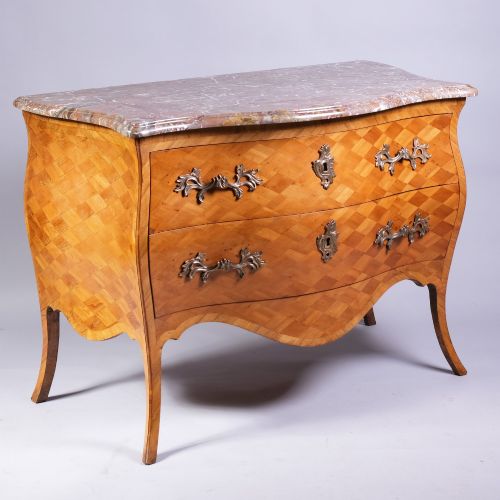
Pieces surfacing under antique drawers kingwood span centuries of European cabinet making, most frequently taking the form of French commodes, bedside cabinets, and chests of drawers. Makers fashioned these storage items in distinct silhouettes such as serpentine, bombe, and straight-fronted carcases.
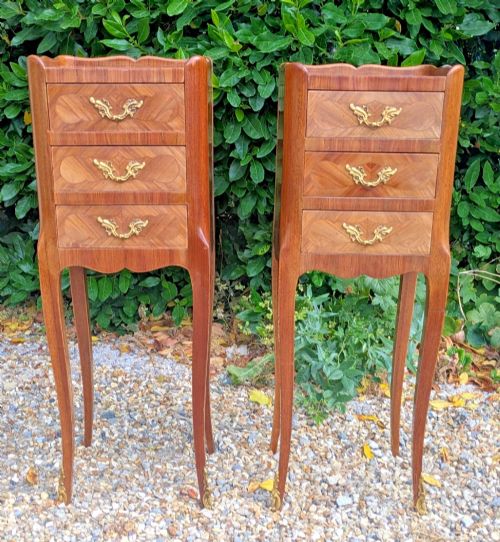
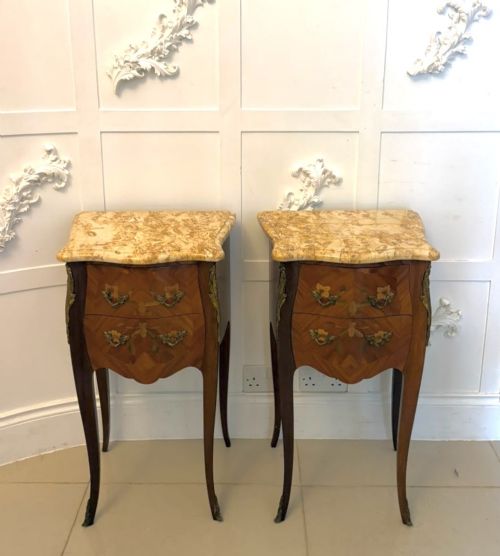
The selection ranges from eighteenth-century examples to later revival pieces from the nineteenth and early twentieth centuries. Alongside full-sized commodes, smaller bedside tables and lamp chests appear regularly within the listings.
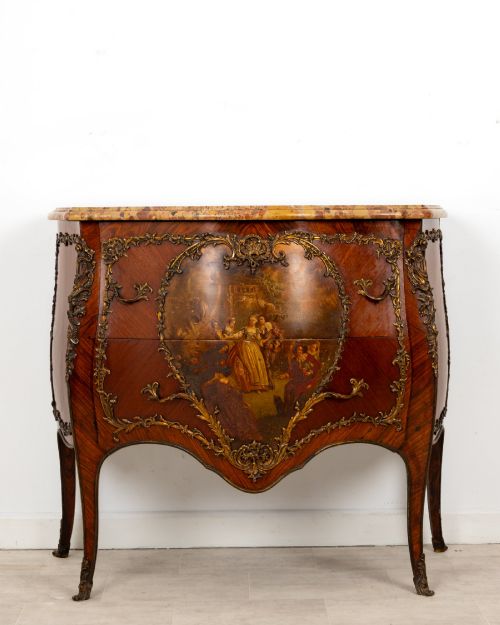
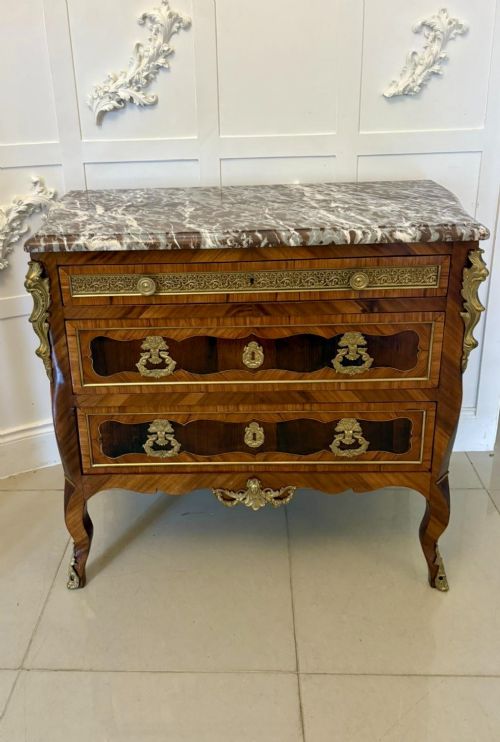
Continental workshops, particularly French ones, dominate the origin of these items, often pairing the characteristic timber with marble tops and cast metal mounts.
What varies in quality
The intricacy of the veneer work dictates much of the distinction between individual pieces, separating simple geometric parquetry from elaborate pictorial floral marquetry. Precision in the alignment of the grain patterns across drawer fronts also signals superior workshop production.
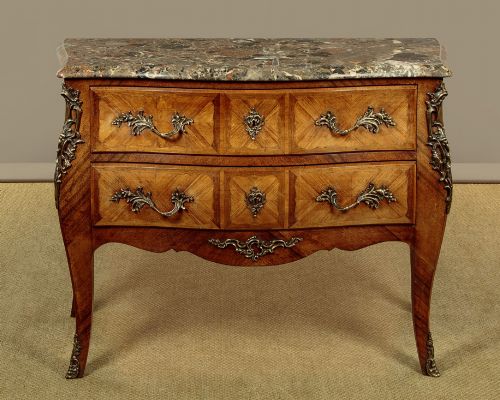
The weight, crispness of chisel work, and fire-gilding of the ormolu or bronze mounts indicate the tier of craftsmanship involved. Castings with sharp detail and deep relief separate high-end commissions from standard commercial output.
The selection and thickness of the marble top, along with how closely its edge profile matches the curves of the wooden carcase below, mark the standard of the finished item.
Materials appearing across the inventory include marble, ormolu, gilt bronze, brass, walnut, and rosewood paired with kingwood.
Jacques Bircklé
The Antique Drawers Kingwood Glossary
- Kingwood
- A dense Brazilian timber with dark violet and brown tones utilised for veneering luxury furniture. Cabinet makers prized its rich contrast and grain patterns for high-status commodes.
- Commode
- A low French chest of drawers standing on legs, popular from the eighteenth century onward. These items frequently feature marble tops and shaped fronts.
- Bombe
- A swelling, outward-curved furniture shape associated with continental cabinet making. This profile requires skilled veneer shaping to fit the undulating carcase.
- Marquetry
- Decorative patterns formed by fitting together contrasting veneer slices onto a wooden surface. Artisans created floral, geometric, or pictorial designs using this technique.
- Ormolu
- Gilt-bronze decorative mounts applied to furniture corners, handles, and legs. The metal is shaped by casting and then treated with gold to achieve a bright finish.
- Parquetry
- Geometric wood inlay work arranged in regular patterns such as cubes or herringbones. This method highlights the natural grain variations of timbers like kingwood.
Antique Drawers Kingwood: Frequently Asked Questions
What is a kingwood commode?
A kingwood commode is a low French chest of drawers veneered in dense, dark-grained timber and typically finished with a marble top and metal mounts. These storage pieces served both functional and decorative roles in formal rooms.
Craftsmen shaped the carcases in straight, serpentine, or swelling bombe profiles, applying parquetry or marquetry across the exterior surfaces.
How do I identify Louis XV style?
Louis XV style furniture is characterised by asymmetrical curves, cabriole legs, and flowing floral motifs. The silhouettes avoid straight lines in favour of organic, undulating contours.
Mounts in gilt-bronze or ormolu accent the corners and handles, following the sweeping lines of the veneered wood.
Where were these cabinets used?
Original owners placed these items in formal reception rooms, bedchambers, and parlours of grand residences. Bedside cabinets functioned as refined nightstands next to sleeping quarters.
Larger commodes provided surface space for decorative objects while storing textiles or personal items within their drawers.
Are the marble tops original?
Many marble tops on these pieces are contemporary to the manufacture of the wooden carcase, shaped specifically to follow the curves of the design. Heavy stone slabs were cut to fit flush with the moulded edges.
Inspecting the underside and the fit against the wood helps determine the integration of the top with the base structure.