


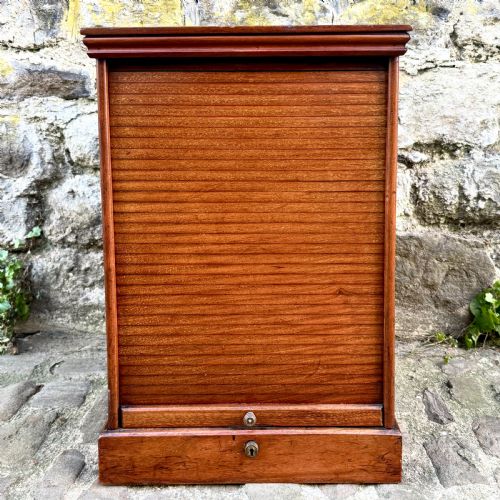
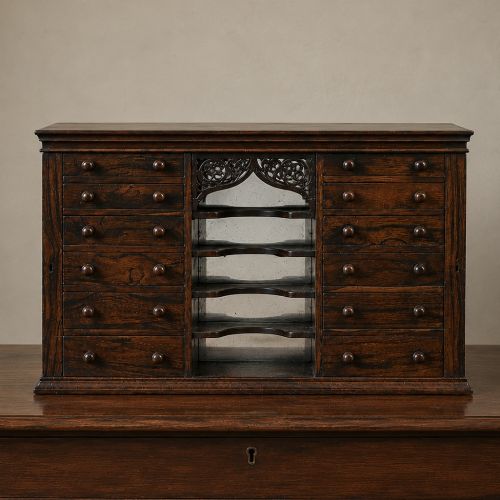
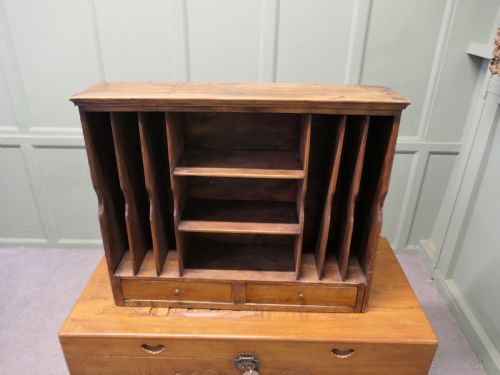


Antique Drawer Organizer
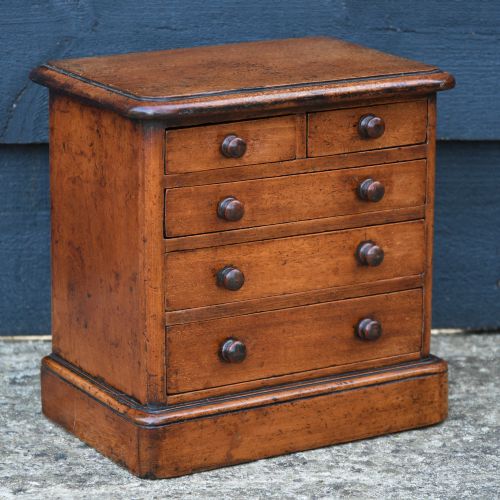
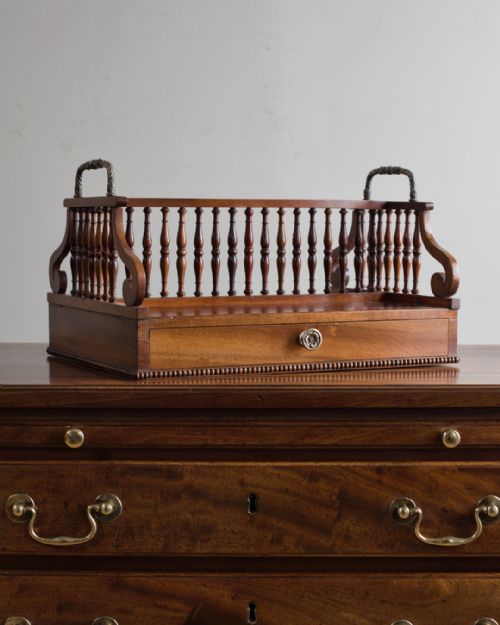
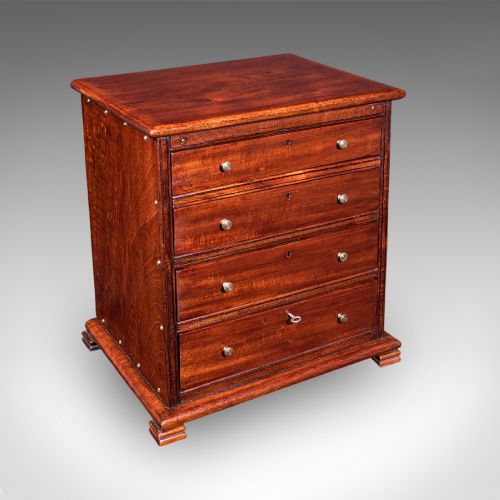
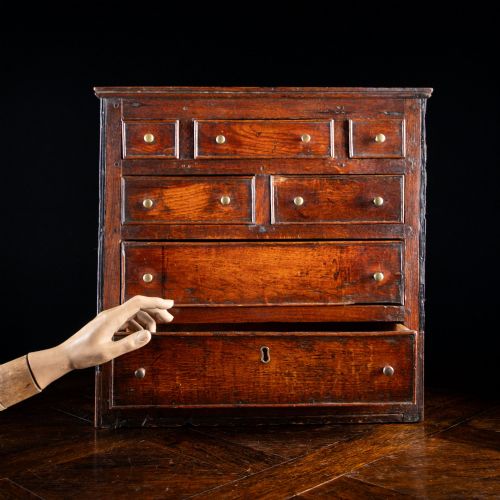
An antique drawer organizer keeps small items ordered on a desk or table, appearing in forms from miniature chests to specialised desktop tidy boxes.
Antique Drawer Organizer
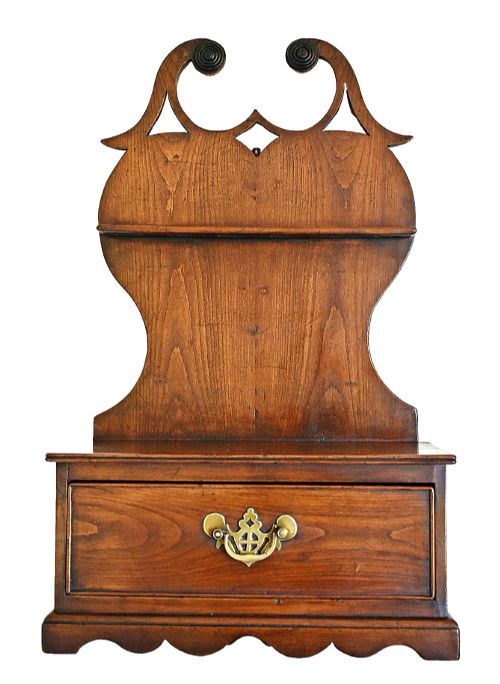
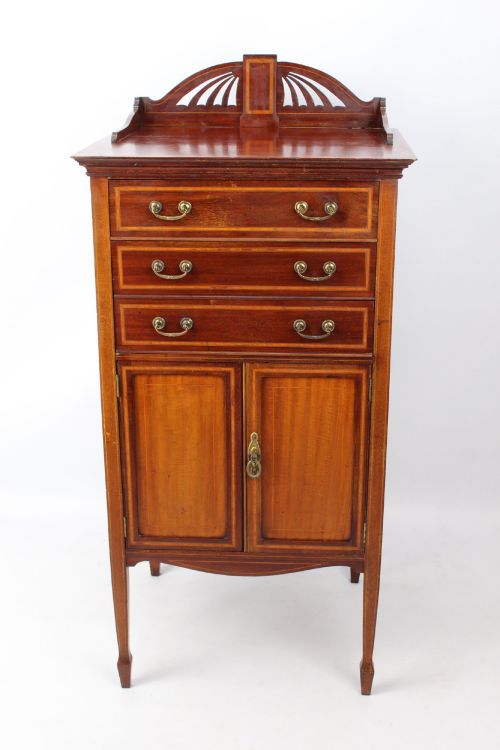
An antique drawer organizer serves to sort correspondence, cutlery, watch parts, or small collectibles within compartmentalised desk accessories and miniature storage units. These pieces range from Georgian oak spoon racks and mahogany kneehole desks to Edwardian music cabinets and Victorian specimen cases.
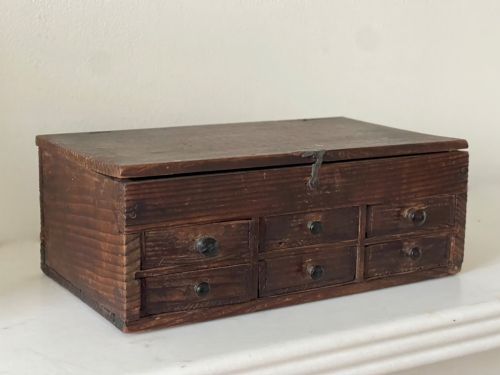
The most common formats met on this page include miniature chests of drawers, desktop filing units, and inkstands fitted with small compartments. These items originate across the 18th, 19th, and early 20th centuries, spanning Georgian, Victorian, and Edwardian periods in regional British, French, and American styles.
Makers and cabinetmakers produced these domestic and office helpers in various timber and metal configurations to suit personal study spaces or working postal environments. Such pieces demonstrate how households and offices managed paperwork and small possessions before modern mass storage.
Materials and construction
Cabinetmakers utilised hardwoods such as mahogany, oak, rosewood, and kingwood, alongside softer timbers like pine and beech. These timbers were selected for durability and finished with brass drop handles, ormolu mounts, and glass elements.
Joinery techniques ranged from traditional dovetailing in miniature chests of drawers to specialised framing for filing cabinets, music compartments, and fall-front desks. Inlays of lighter wood and polished patination completed the surface presentation of finer desk accessories and specimen cases.
Antique Drawer Organizer Retail Price Guide 2026
Typical asking prices for drawer organizer among the pieces listed under this phrase on Sellingantiques today, from the lower quarter to the upper quarter. They describe what is for sale here now, not the wider market.
Listings for antique drawer organizers feature forms from the 18th, 19th, and early 20th centuries, utilising oak, mahogany, rosewood, and brass.
Factors of quality
Quality rests in the precision of the internal partitioning and the choice of primary cabinet timbers, where solid mahogany or figured rosewood outrank plain secondary woods. Fine examples display tight dovetail joints in the drawer construction and well-fitted secret compartments or locking mechanisms.
The integrity of original brass hardware, glass panels, and the depth of the timber's patina dictate the standing of a piece. Finer items retain intact internal fittings, such as original inkwells, dividers, or index card tracks, without modern replacement parts.
Amberg
The Antique Drawer Organizer Glossary
- Cartonnier
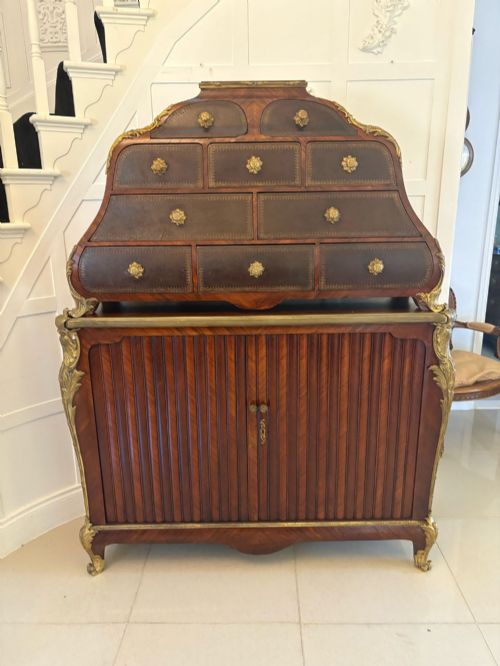
- A desktop cabinet designed to hold papers or documents in vertical tiers. These pieces often feature leather-bound trays or formal mounts.
- Standish
- A portable desk stand or inkstand holding inkwells, pen trays, and sometimes a drawer for nibs and stamps. They were common on writing desks in the Georgian and Victorian eras.
- Apprentice piece
- A miniature item of furniture created by a craftsman to demonstrate skill for guild admission or professional qualification. These often replicate full-scale chests of drawers with exact proportion.
- Specimen case
- A small cabinet with multiple shallow drawers used by naturalists or collectors to store specimens. They feature tight-fitting dust-proof drawers.
- Canterbury
- A low stand featuring partitions for sheet music, books, or portfolios, frequently incorporating a lower drawer. They appeared in various timber finishes during the Georgian and Victorian periods.
Antique Drawer Organizer: Frequently Asked Questions
What is an apprentice piece drawer unit?
An apprentice piece is a miniature model of a larger furniture item, built by a craftsman to demonstrate mastery of joinery and proportions. These small chests of drawers replicate full-scale proportions precisely.
Craftsmen kept these items on workbenches or sold them as domestic tabletop storage. They are identified by their careful dovetailing and miniature scale.
How do I date an antique desk tidy?
Dating relies on timber choice, construction methods, and hardware styles. Georgian pieces favour solid mahogany or oak with hand-cut dovetails, while Edwardian items often feature machine-sawn elements and delicate inlays.
Examining the drawer linings and fastener types helps place the object within its correct century. Regional styles and period hardware offer further confirmation of the manufacturing era.
Were these organizers meant for home or office use?
These organizers served both domestic writing desks and commercial or institutional offices. Items like spoon racks and music cabinets belonged in the home, while filing shelves and index drawers served postal and business environments.
Many desktop boxes and inkstands bridged the gap, keeping personal correspondence sorted in private libraries. Their utility adapted to whichever small-scale items needed sorting.
What is the difference between a cartonnier and a filing cabinet?
A cartonnier is a desktop cabinet traditionally used for organising papers in vertical compartments, often decorative and French in origin. Filing cabinets are larger storage pieces designed for systematic document retrieval.
Cartonniers usually sit upon a desk surface as part of an elite writing setup. Filing cabinets focus on utilitarian capacity with multiple drawers or drop-front mechanisms.