

Antique Drawer Front
An antique drawer front brings the tactile warmth of figured timbers and historic brasses directly into a modern room.
Antique Drawer Front
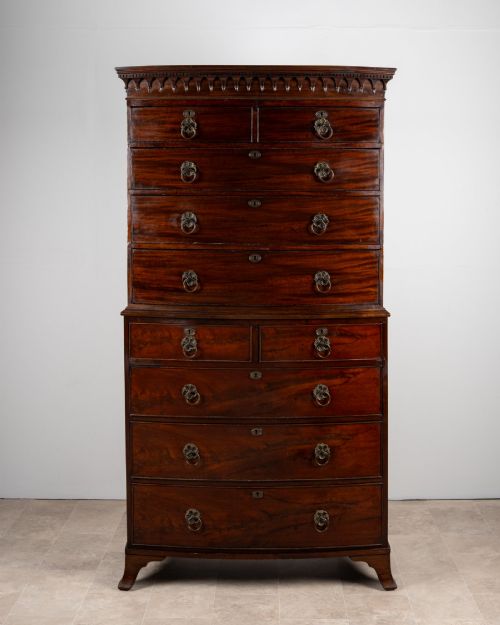
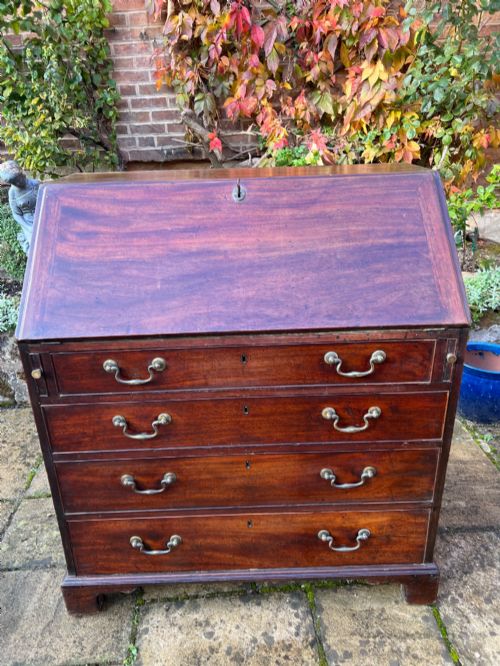
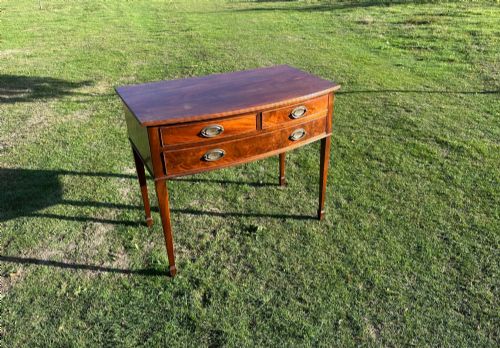
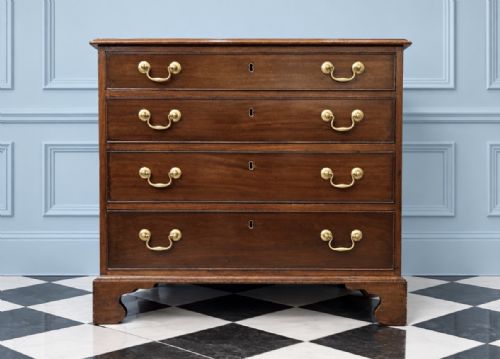
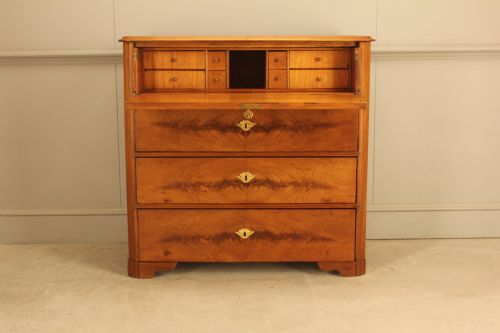
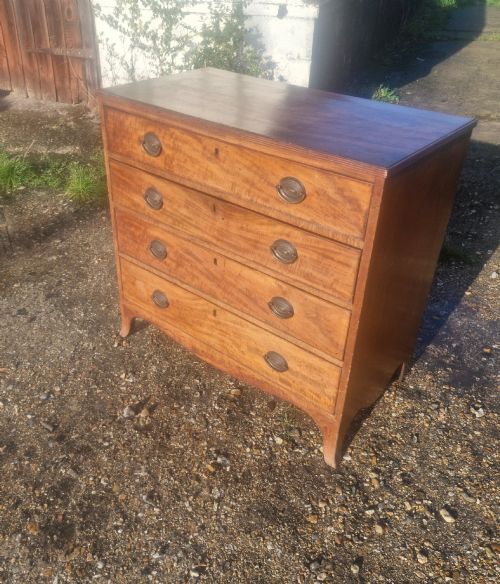
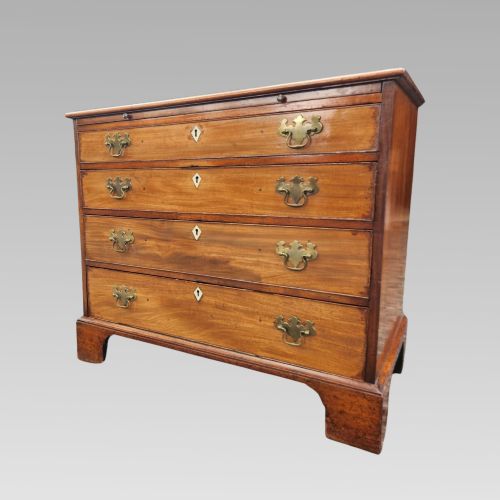
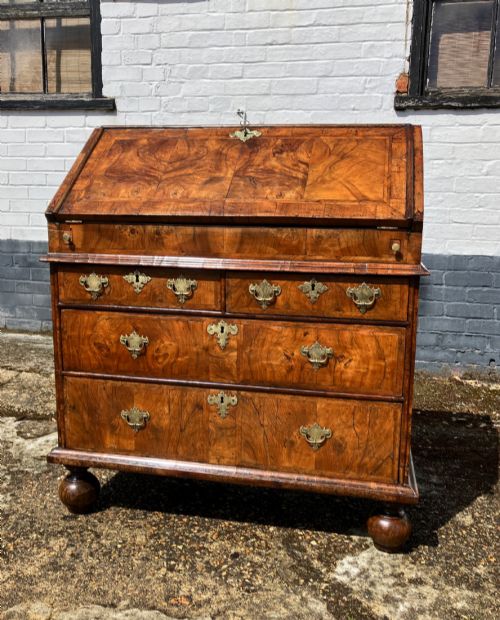
An antique drawer front represents the visible face of historic case furniture, encountered here primarily through chests of drawers, bureaux, writing desks, and side tables.
The selections span significant eras from the seventeenth century through the Georgian, Regency, and Edwardian periods into the twentieth century, reflecting shifting tastes in domestic storage.
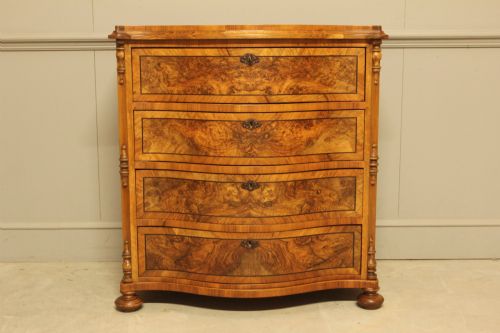
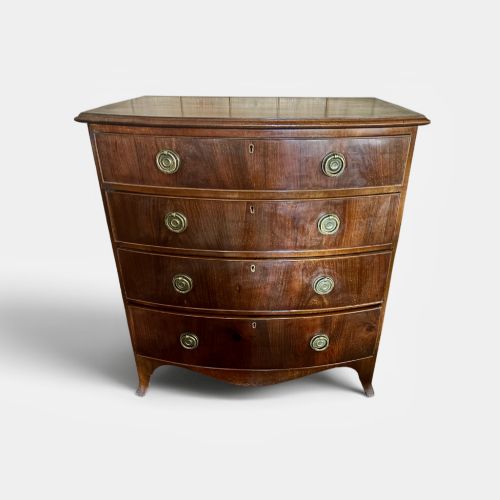
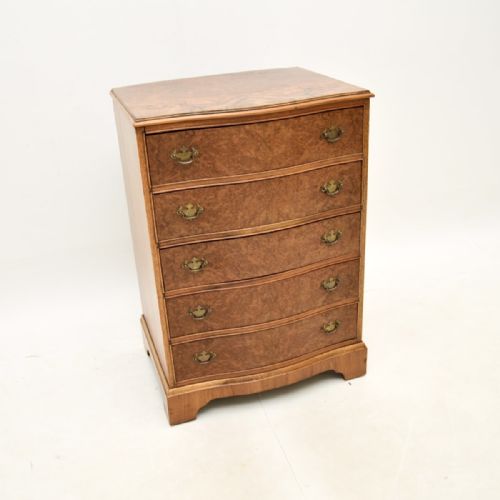
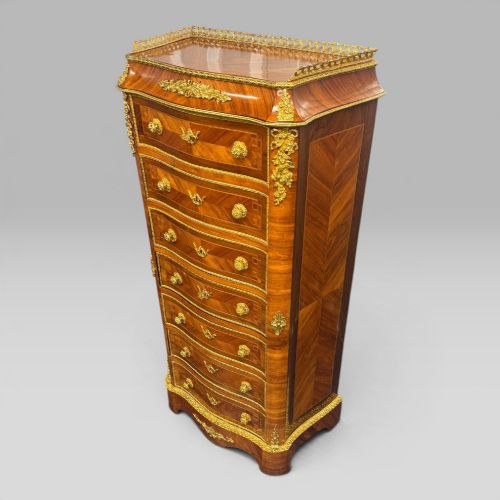
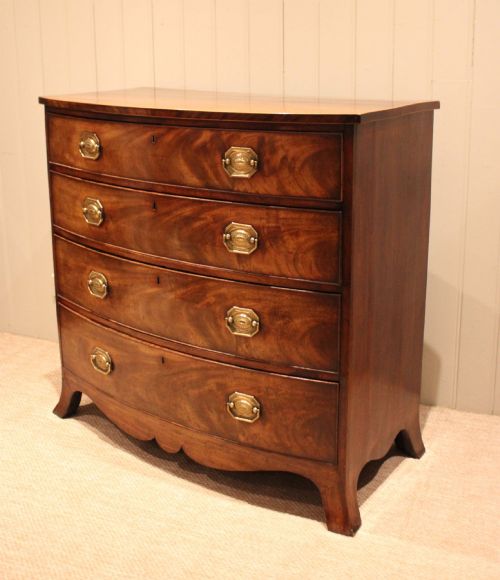
Buyers examining these pieces encounter various configurations, from bow fronts and serpentine shapes to bombe commodes, each displaying the distinct joinery of its originating workshop.
Materials and construction methods
Cabinetmakers relied heavily on dense timbers such as mahogany, oak, walnut, and burr walnut, often enhancing primary surfaces with exotic veneers and parquetry or floral marquetry inlays.
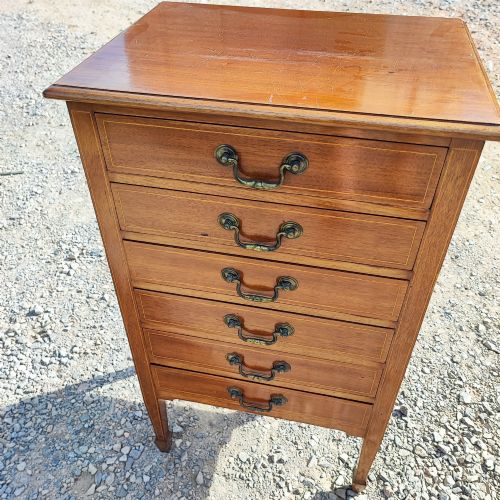
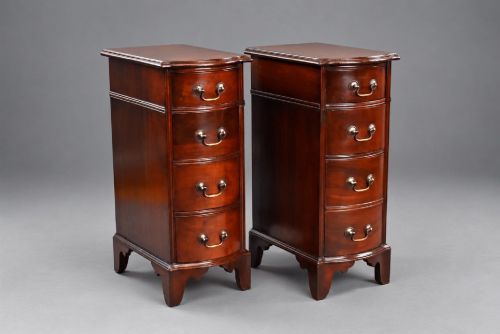
Hardware played a functional and aesthetic role, incorporating cast brass handles and ormolu mounts that anchored the timber work.
Structural integrity depended on traditional joinery methods, visible in the hand-cut dovetails securing the drawer boxes and the precise fitting of curved or shaped facades.
Antique Drawer Front Retail Price Guide 2026
Typical asking prices for drawer front among the pieces listed under this phrase on Sellingantiques today, from the lower quarter to the upper quarter. They describe what is for sale here now, not the wider market.
The listings span multiple centuries, incorporating oak, mahogany, walnut, and satinwood across Georgian, Regency, and Edwardian styles.
Distinctions in craftsmanship
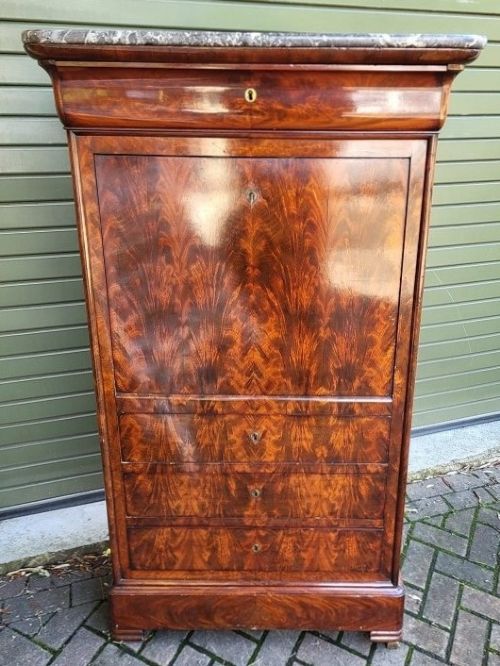
Superior examples separate themselves through the careful selection of timber figures, where burr walnut or flame mahogany veneers are matched symmetrically across the facade.
The crispness of inlay work, the retention of original brass hardware, and the fluidity of curved or serpentine drawer shapes indicate the level of skill invested by the maker.
Finer pieces maintain internal fidelity, utilising secondary timbers like oak consistently throughout the drawer linings and maintaining smooth operational tolerances within the carcass.
HEPPLEWHITE
The Antique Drawer Front Glossary
- Bow front
- A convex curved cabinet or drawer facade popular during the Georgian and Regency periods. This shape softens the profile of standard case furniture.
- Bombe
- A swelling, outward-curved contour found on eighteenth-century commodes and bureaux. It requires advanced woodworking skill to shape timber in multiple directions.
- Secretaire
- A desk disguised as a chest of drawers or cabinet, featuring a drop-front writing surface. It conceals internal compartments and small drawers.
- Marquetry
- Decorative patterns formed by fitting contrasting veneer pieces into a wood background. Artisans utilised floral and geometric designs to enrich the surface.
- Parquetry
- Geometric wood mosaic work used for floors and furniture surfaces. Small blocks of timber create repeating patterns across the drawer front.
Antique Drawer Front: Frequently Asked Questions
How do I identify a secretaire drawer?
A secretaire drawer conceals a fitted writing compartment behind what appears to be a standard, deep drawer front. Dropping the hinged front reveals small pigeonholes and letter drawers.
This clever dual-purpose design allowed cabinetmakers to provide a functional desk without enlarging the footprint of a chest or cabinet.
What is a bombe commode?
A bombe commode displays a pronounced, bulging curved profile on both the front and sides. Originating in continental workshops, this style reached Britain and France in the eighteenth century.
The sweeping contours demand exceptional mastery of veneer matching, particularly when applying walnut or marquetry to curved surfaces.
Which woods are common in these pieces?
Mahogany, oak, and walnut dominate the structural and decorative elements of these items. Cabinetmakers selected these timbers for their durability and attractive grain patterns.
Finer examples incorporate burr walnut, satinwood, and ormolu mounts to elevate the visual impact of the facade.
How do I care for antique wood?
Antique wood requires stable indoor humidity levels away from direct sunlight and heat sources. Extreme fluctuations cause timbers to split and veneers to lift from the substrate.
Occasional application of appropriate wax polish maintains the moisture balance and preserves the historic patina developed over centuries.