



Antique Drapery Tie Backs
Antique drapery tie backs hold heavy fabrics with distinct metalwork and carved forms, bringing functional elegance to period window treatments.
Antique Drapery Tie Backs
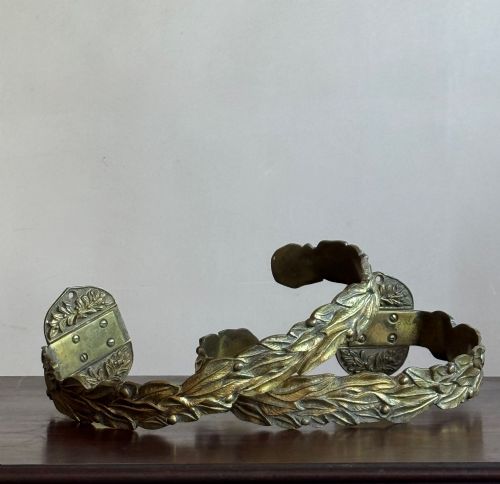
When you search for antique drapery tie backs, you are looking at hardware designed to hold heavy window dressings to the side of a window frame. The pieces seen here include curtain tie backs and curtain tiebacks in various metals and woods. These fixtures secure the drape while adding a decorative focal point to the room.
The items on this page primarily date from the eighteenth and nineteenth centuries, spanning Georgian and Victorian eras. You will encounter French Rococo Revival, Venetian, and Baroque styles alongside simpler Georgian designs. Most examples appear in pairs or sets of four, reflecting how they were originally installed beside a window.
Makers and craftsmen utilised distinct regional aesthetics, ranging from ornate French ormolu castings to carved Venetian giltwood pulls. Brass and gilded bronze are common, alongside specialised materials such as enamel. Each piece reveals the decorative priorities of its period, from the sweeping curves of the Rococo to the structured symmetry of the Georgian era.
How they were made
Metal items rely on casting techniques, using metals such as brass, copper, and ormolu. Artisans then applied gilding to bronze and brass surfaces to achieve a rich, reflective finish. Enamel was also introduced on specific eighteenth-century examples to add colour and detail to the design.
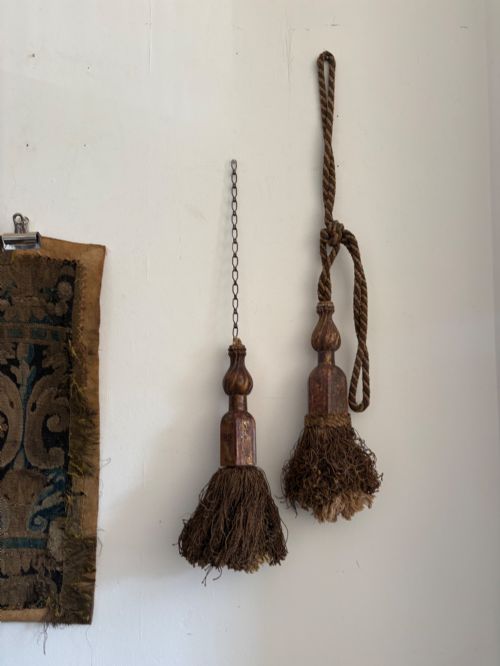
Wooden examples utilise traditional carving methods, particularly visible in the giltwood pieces from Venice. Craftsmen shaped timber into elaborate forms before applying layers of gold leaf. This combination of carved wood and cast metal defined the production of window hardware across the Georgian and Victorian periods.
Even heavy velvet curtains occasionally needed a pair of lions to hold them back.
What varies in quality
The refinement of the casting and carving separates standard examples from finer pieces. Ornate metalwork relies on crisp detail in the relief and clean finishing on the reverse. Carved wooden versions depend on the depth and definition of the foliage or motifs.
The preservation of the original surface finish heavily influences the character of the object. Giltwood, ormolu, and gilded brass retain different qualities depending on how the surface has aged and survived. Complete sets and matching pairs also hold greater consistency for domestic placement.
The Antique Drapery Tie Backs Glossary
- Ormolu
- Gilded bronze, where a gold-mercury amalgam is applied to a bronze base. This technique was widely utilised in French decorative hardware during the eighteenth and nineteenth centuries.
- Giltwood
- Timber that has been coated with a thin layer of gold leaf. This finish was favoured for decorative architectural fittings and Venetian drapery pulls.
- Rococo Revival
- A nineteenth-century design style that revives the asymmetrical scrolls, C-scrolls, and naturalistic plant motifs of the eighteenth-century French Rococo movement.
- Baroque
- An ornate design style characterised by dramatic curves, rich detail, and grand proportions. Pieces from this tradition often feature heavy cast brass or bronze work.
Antique Drapery Tie Backs: Frequently Asked Questions
How were antique drapery tie backs installed?
These pieces were screwed directly into the wall or window frame beside the drapery. The projecting arm or decorative face held the fabric fold in place.
Most items feature integrated screw holes or mounting plates designed for secure placement into timber or masonry.
Are these tie backs sold in pairs?
Many examples are offered as pairs or sets of four to match standard window arrangements. Sourcing matched sets ensures symmetry on either side of a window drape.
Listings specify whether the items form a pair or a larger set according to what survives from the original installation.
What materials are most common?
Brass, ormolu, and gilded bronze appear frequently across nineteenth-century French and Georgian examples. Enamel and carved giltwood also feature in specific decorative traditions.
Each material reflects the prevailing manufacturing methods and aesthetic tastes of its specific period.
How do I identify the period?
Stylistic indicators such as French Rococo Revival curves or Georgian symmetry point toward specific eras of manufacture. The choice of material, such as early enamel work or later cast ormolu, also helps date the hardware.
Examining the construction of the fixings and the wear on the gilding provides further context regarding the age of the piece.