





Antique Double Sofa
When you search for an antique double sofa, you find compact seating options spanning the Victorian, Edwardian, and Georgian periods.
Antique Double Sofa
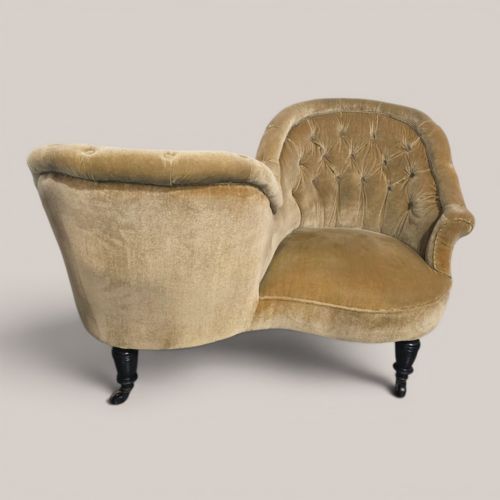
An antique double sofa encompasses two-seater settees, conversation seats, and double-ended designs created across the eighteenth, nineteenth, and early twentieth centuries. These pieces serve as intimate seating arrangements designed for drawing rooms, libraries, and parlours.
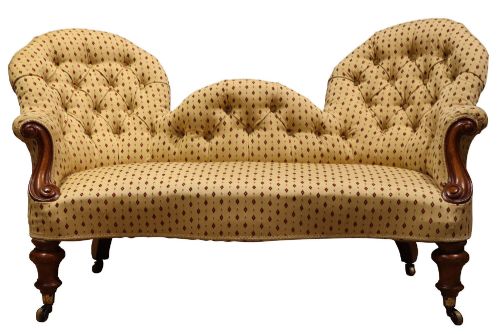
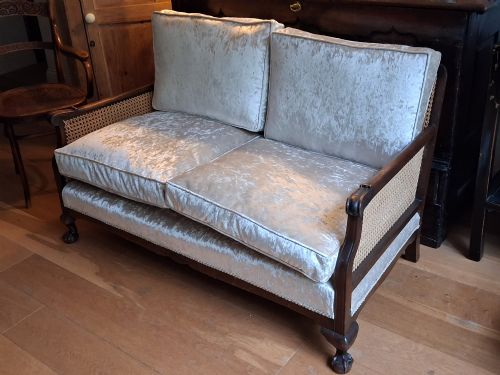
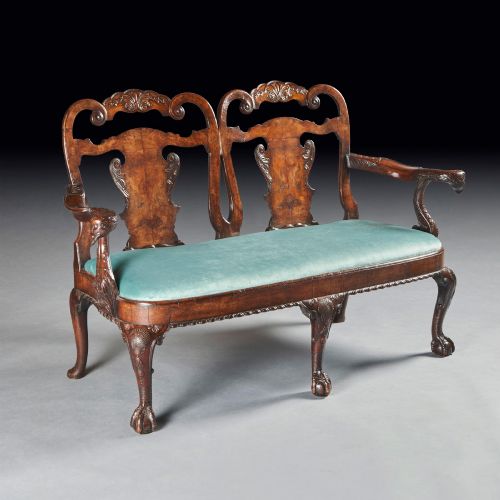
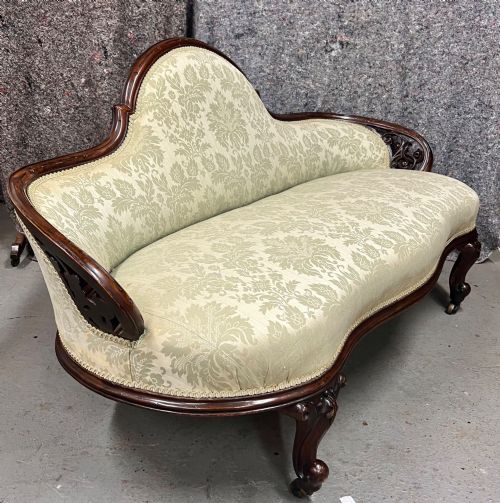
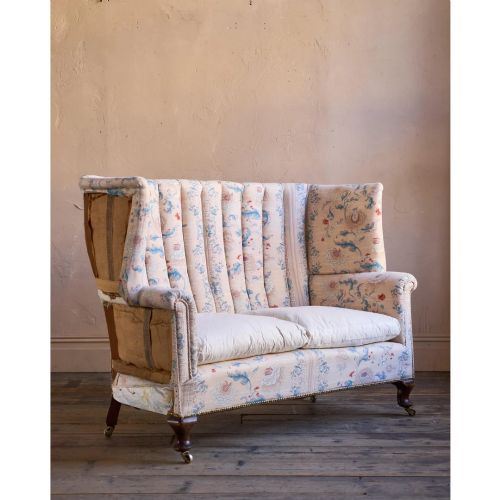
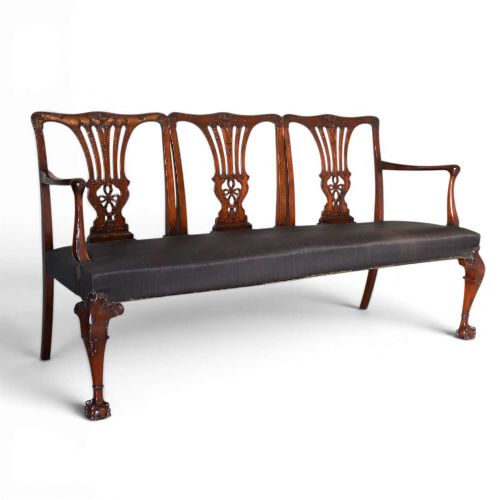
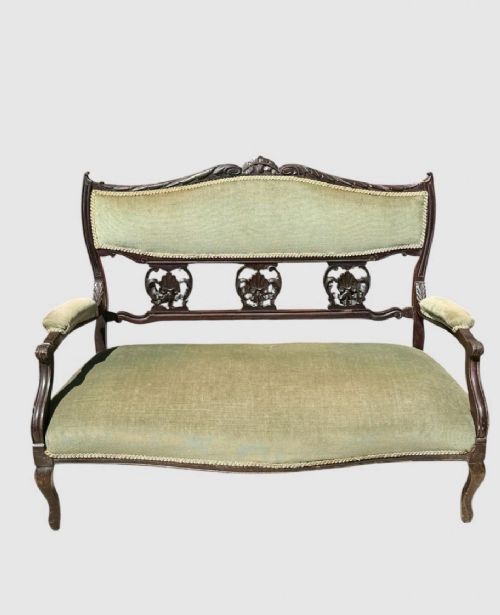
Most examples encountered on this page belong to the Victorian and Edwardian eras, constructed in mahogany, walnut, or rosewood frames. Formats range from spoonback chaises and chair-back settees to French bergère models with cane work.
Materials and construction methods
Frames rely upon durable hardwoods such as mahogany, walnut, and rosewood, often shaped with carved details, fluted legs, or barley twist turnings. Cabinetmakers utilised traditional joinery to support the structural weight of the timber frames.
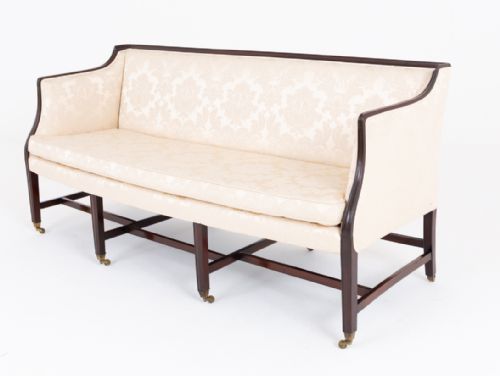
Upholstery techniques involve sprung settees and deep pile fabrics, including damask, velvet, brocade, and fabric coverings secured with button backs. Canework forms open panels on specific French-influenced or Edwardian frames.
Antique Double Sofa Retail Price Guide 2026
Typical asking prices for double sofa among the pieces listed under this phrase on Sellingantiques today, from the lower quarter to the upper quarter. They describe what is for sale here now, not the wider market.
Periods represented span from the eighteenth-century Georgian era through Victorian and Edwardian times up to the early 1930s.
Factors determining quality
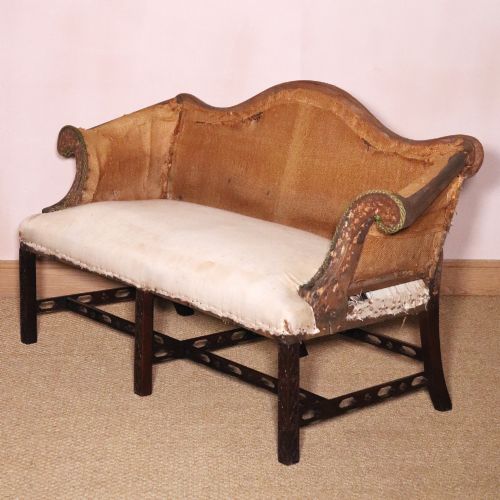
The sophistication of the timber carving and the crispness of decorative motifs distinguish finer frames from simpler workshop outputs. Pieces displaying detailed Chippendale-style backs or figured walnut veneers demonstrate superior cabinetmaking skill.
The integrity of the underlying structure, the preservation of original cane work, and the execution of re-upholstery work determine the enduring standard of the settee.
The Antique Double Sofa Glossary
- Bergère
- An enclosed upholstered armchair or sofa with wooden frames and cane side panels. This French style frequently appears with exposed painted or polished woodwork.
- Settee
- A long upholstered seat with a back and arms, designed for more than one person. The term often interchanges with sofa across eighteenth and nineteenth-century inventories.
- Double ended sofa
- A form featuring matching scroll arms or headrests at both ends, allowing a person to recline from either direction. William IV examples commonly utilise this balanced layout.
- Conversation seat
- A circular or S-shaped upholstered double seat enabling two occupants to converse face to face. Victorian variants often incorporate turned mahogany or walnut framing.
- Chippendale style
- A decorative aesthetic drawing upon eighteenth-century furniture designs, characterised by ornate carved mahogany woodwork and interlaced ladder backs.
Antique Double Sofa: Frequently Asked Questions
Where did people place these sofas?
These two-seater settees sat primarily in formal drawing rooms, private libraries, and reception spaces where occupants gathered for conversation.
Compact dimensions allowed them to fit comfortably against parlour walls or near fireplaces without overwhelming the room layout.
How do I identify a Victorian piece?
Victorian frames typically feature dark hardwoods like walnut and mahogany, often accompanied by spoonbacks, button tufting, or turned barley twist supports.
Stylistic influences during this era ranged from heavy carved rosewood to lighter revival forms inspired by earlier historical periods.
What maintenance do upholstered frames need?
Upholstered surfaces require regular gentle vacuuming using a soft brush attachment to prevent dust accumulation within the fabric pile or brocade.
Exposed wooden frames benefit from occasional application of appropriate furniture wax to preserve the finish of the mahogany or walnut.
Are these settees comfortable for daily use?
Many surviving examples feature sprung bases and padded backrests designed to provide supportive seating during regular indoor use.
Re-upholstered variants often incorporate modern internal cushioning while retaining the traditional aesthetic of the nineteenth-century frame.