




Antique Double Seat
An antique double seat offers a shared perch for two, spanning mahogany settees and carved Victorian conversation chairs.
Antique Double Seat
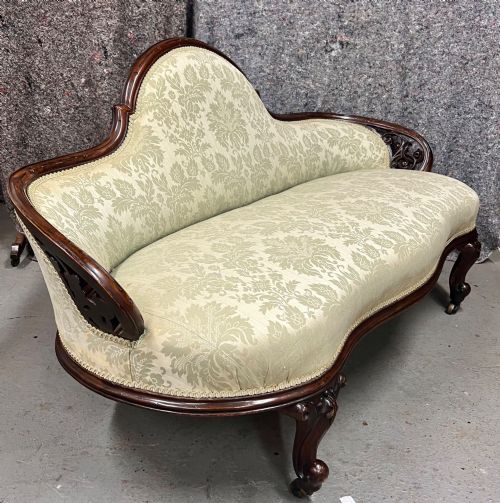
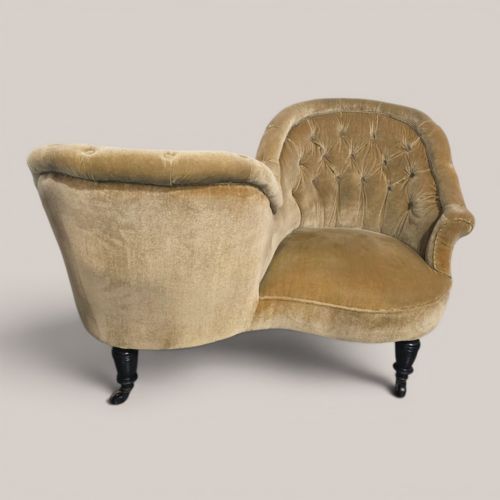
When you search for an antique double seat, you encounter a varied group of twin-capacity furniture built for sitting side by side or facing opposite directions. The selection ranges from compact Victorian conversation seats and double piano stools to mahogany settees and small Edwardian couches.
Most pieces on this page originate from the Victorian and Edwardian eras, alongside earlier Georgian forms and occasional 18th-century walnut or mahogany examples. These two-seater objects served drawing rooms, music rooms and bedchambers as social furniture designed for conversation or duet performances.
Materials and construction
Frames rely predominantly on solid timber such as mahogany, walnut, rosewood, oak and birch, shaped by turning, carving or inlay. Carved details draw upon Chippendale, Queen Anne and Louis XV styles, incorporating barley twists or classical motifs.
Comfort arrives through traditional upholstery techniques applied to seats and backs, utilising fabric, velvet, damask and buttoned leather. Internal padding pairs with wooden frames, sometimes incorporating hinged compartments in piano stools or window seats.
Antique Double Seat Retail Price Guide 2026
Typical asking prices for double seat among the pieces listed under this phrase on Sellingantiques today, from the lower quarter to the upper quarter. They describe what is for sale here now, not the wider market.
Listings feature woods like mahogany, walnut, rosewood, oak and birch, shaped into sofas, settees, benches and duet stools.
Assessing quality and craftsmanship
Quality rests in the crispness of the timber carving and the integrity of the frame construction, whether dealing with a turned mahogany settee or an inlaid Edwardian sofa. Superior examples show refined proportions and harmonious stylistic revivals rather than crude assembly.
The choice of covering materials and the execution of upholstery work also distinguish individual pieces. Original or sympathetic fabric treatments, sturdy frame joints and well-executed decorative details elevate a double seat above standard utility furniture.
The Antique Double Seat Glossary
- Settee
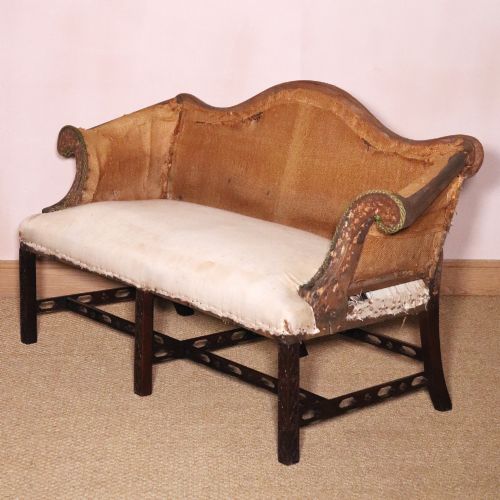
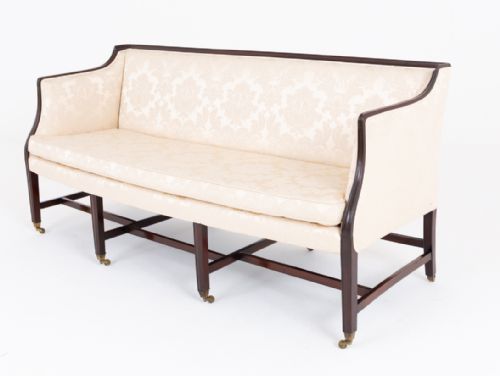
- A small upholstered sofa or bench with a back and arms, built to seat two or more people. They appear frequently in mahogany and walnut across Victorian and Georgian listings.
- Conversation seat
- A multi-backed piece designed so that two or more occupants sit facing outward in opposite directions while sharing a central frame. Victorian examples often feature carved walnut or rosewood structures.
- Duet stool
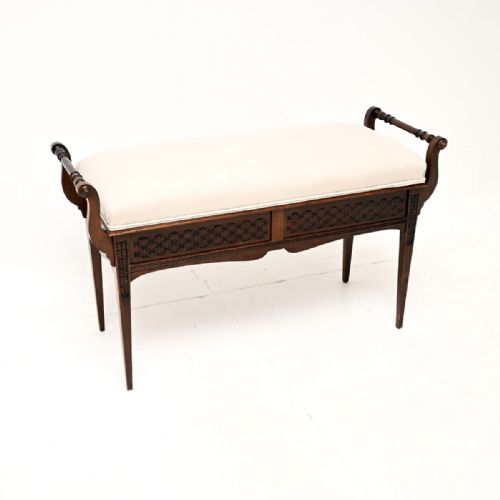
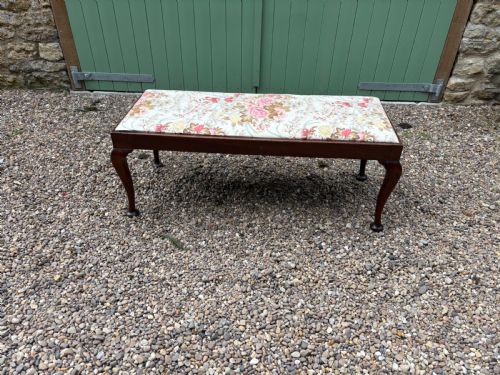
- A wide bench designed for two people to sit side by side at a piano or dressing table. Many include hinged seats revealing music storage compartments beneath.
- Chippendale style
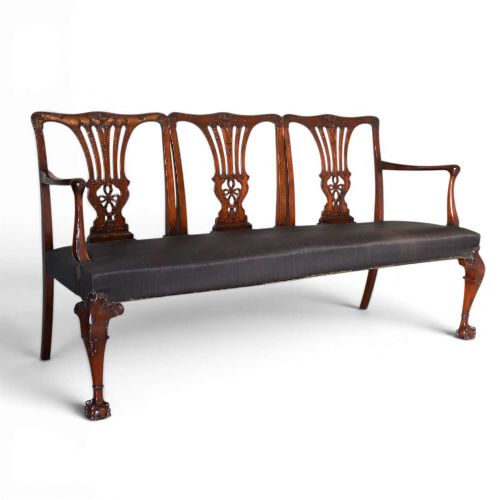
- A decorative vocabulary characterised by ornate carved wooden backs and cabriole legs inspired by 18th-century cabinet maker Thomas Chippendale. Edwardian and Georgian listings often employ this aesthetic.
- Spoon-back
- An upholstered chair or sofa back hollowed out to mimic the shape of a spoon, providing ergonomic support. This form is typical of mid-19th-century Victorian seating.
Antique Double Seat: Frequently Asked Questions
What is an antique double seat?
An antique double seat is a piece of furniture designed for two people, encompassing settees, conversation chairs, duet piano stools and double window seats. These items date primarily from the 18th, 19th and early 20th centuries.
They function as social seating arrangements for parlours, music rooms and bedrooms, uniting practical utility with period craftsmanship in woods like mahogany and walnut.
How were conversation seats used?
Conversation seats were placed in the centre of drawing rooms to allow two people to converse face-to-face while sitting in opposite directions. Their distinctive multi-backed circular or oval frames encouraged social interaction without requiring occupants to turn their heads.
Victorian drawing rooms relied on these pieces to facilitate polite parlour discourse and musical evenings among guests.
How do I identify a Victorian double seat?
Victorian double seats typically feature dark timbers such as walnut, rosewood or mahogany, often with rich upholstery like velvet, damask or buttoned leather. Look for characteristic Victorian design elements including spoon-backs, barley twist turnings and Rococo Revival curves.
These pieces generally date between 1830 and 1900, reflecting the stylistic shifts from early scroll-backed forms to late-century aesthetic movements.
Where should I place a duet stool?
Duet stools fit naturally in music rooms before a piano or serve as dressing table benches and window seats in bedrooms. Their wide proportions make them versatile auxiliary seating for hallways and living spaces.
Many examples feature hinged lids opening to reveal storage space for sheet music or household items, adding functional utility to the room.
What distinguishes Georgian settees?
Georgian settees display the restrained elegance and structural balance of 18th-century cabinet making, usually constructed from solid mahogany or walnut. They often incorporate Chippendale or Queen Anne style influences through carved ladder-backs or chair-back designs.
These earlier pieces emphasise clean architectural lines and unadorned timber grains compared to the heavier upholstery of later Victorian styles.