
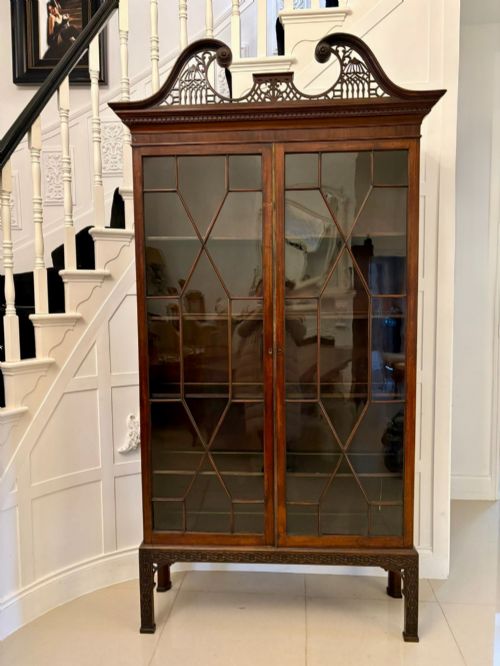
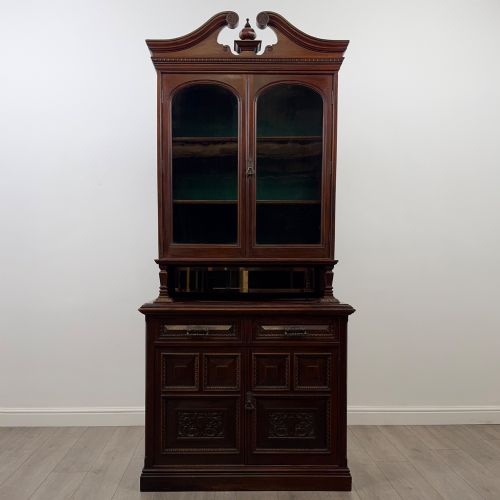
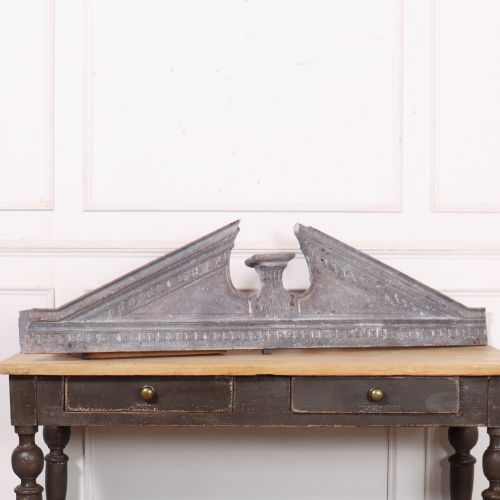
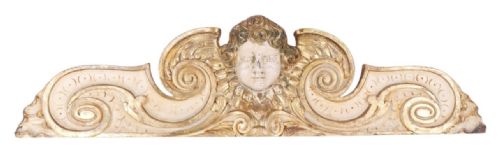
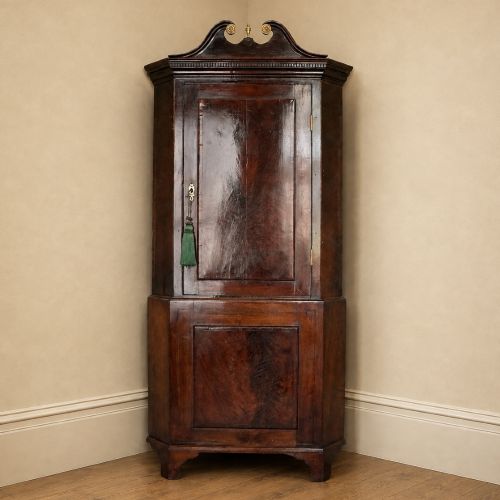
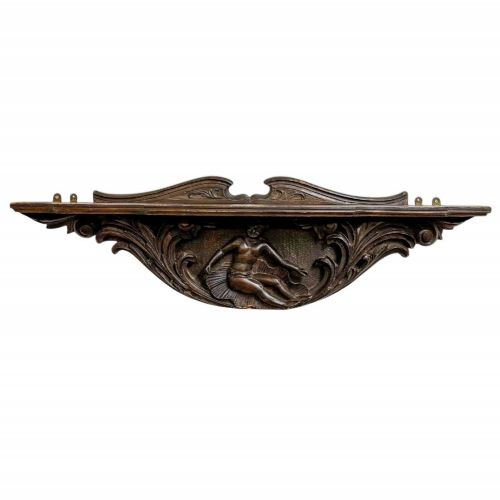
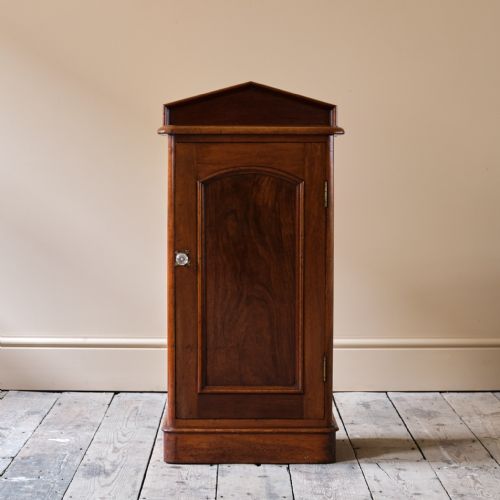
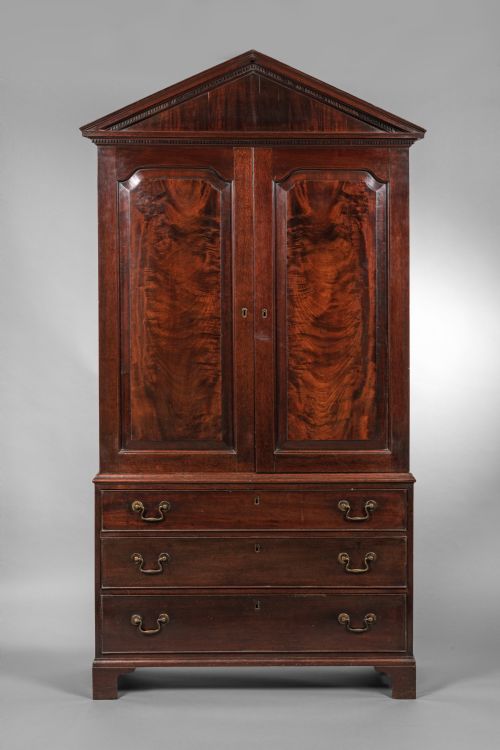


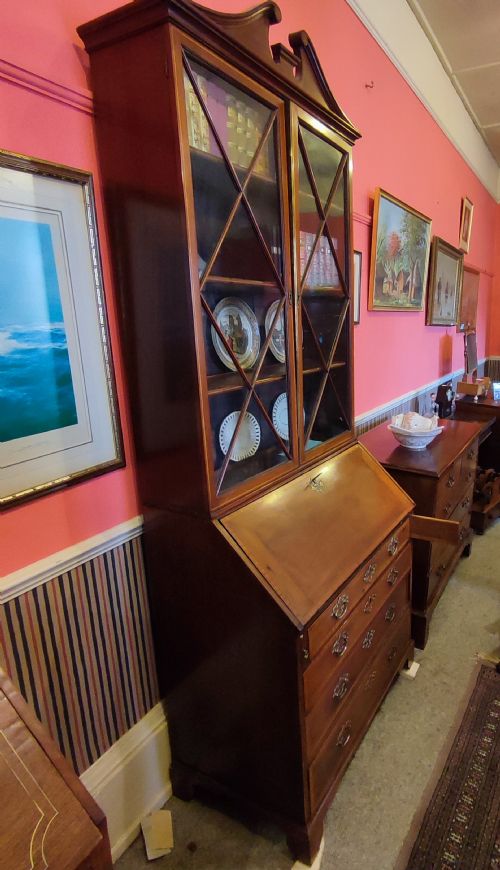


Antique Door Pediment
An antique door pediment crowns an architectural opening with carved timber and painted detail, bringing historical proportion and presence to a room.
Antique Door Pediment
An antique door pediment is an architectural salvage piece designed to sit above a doorway, framing the upper threshold with sculptural timber or painted decoration. When searching for an antique door pediment, buyers encounter architectural elements created from carved oak, pollard oak, or painted softwood.
The pieces available trace their origins through the nineteenth century and earlier, appearing as straightforward carved panels or complex assemblies complete with integrated shelves. Surviving examples often display the hallmarks of French or British domestic architecture from periods spanning the Georgian era to the early twentieth century.
Forming the grander end of architectural salvage, these items operate as decorative wall panels or structural overdoor ornaments. They transform ordinary interior doorways into focal points by introducing classical proportions and period craftsmanship into modern spaces.
Materials and Construction
Makers shaped these architectural elements using native and imported timbers, relying heavily on oak, mahogany, and gesso to achieve both structural integrity and fine detail. Carved wood forms the backbone of the craft, utilising deep relief work to render motifs such as cherubs, scrolling foliage, and classical pediment lines.
Surface treatments range from natural waxed grain to original paint and applied gesso, preserving the decorative intentions of the period. Joinery techniques combined traditional mortise and tenon framing with surface carving to ensure the timber could support projecting cornices or small display shelves.
Listings feature architectural salvage spanning the eighteenth, nineteenth, and early twentieth centuries, constructed from oak, mahogany, and gesso.
Distinctions in Quality
Quality in these architectural fragments rests upon the depth, clarity, and ambition of the carving. Crisp undercut foliage and expressive figurative work separate ordinary joinery from superior workshop production.
The integrity of the timber and the preservation of original painted or waxed surfaces dictate the standing of a piece. Examples retaining their untouched original finish command greater interest than those stripped or heavily restored in later decades.
Edward Pearce·Thomas Bradshaw
The Antique Door Pediment Glossary
- Pediment
- An architectural crowning feature placed above a door, window, or piece of furniture. It originates from classical building design and provides a triangular or segmented cap to an opening.
- Architectural salvage
- Building components rescued from older structures for reuse in interior design or restoration. These pieces carry historical patina and original craftsmanship into new settings.
- Gesso
- A plaster-like material applied to wood surfaces as a base for intricate mouldings or gilding. It allows for sharp, crisp decorative details that timber alone cannot easily hold.
- Pelmet
- A decorative framework placed above a window or door to conceal fittings. In architectural contexts, it shares similarities with a flat door pediment.
- Pollard oak
- Timber taken from trees that were cut back close to the trunk to promote dense, branching growth. This process produces distinctive, highly figured grain patterns prized in decorative joinery.
Antique Door Pediment: Frequently Asked Questions
How were antique door pediments originally used?
These decorative elements were mounted directly above interior or exterior doorways within substantial homes and civic buildings. They served to elevate the status of a room by drawing the eye upward and emphasising the importance of the threshold.
Over time, many survived through architectural salvage when older buildings were altered or demolished. Today they function primarily as decorative wall art or structural accents placed above modern doorways.
How do I hang a heavy wooden pediment?
Mounting requires locating solid wall studs or masonry anchors capable of supporting the weight of dense hardwoods like oak and mahogany. Many pieces feature integrated hanging points or structural framing behind the cornice to facilitate secure installation.
Consulting a professional installer ensures the timber is properly supported without placing undue stress on the antique structure or the wall surface.
Can these pediments be used outdoors?
Most surviving examples are suited exclusively for interior display because of their delicate carved details, gesso work, and historical finishes. Exposure to moisture and temperature fluctuations causes timber to warp and original paint to degrade rapidly.
Placing them inside protects the porous materials and maintains the stability of the antique joinery for future generations.
How do I clean and maintain the wood?
Regular dusting with a soft, dry cloth prevents the accumulation of grime within the deep recesses of the carving. Avoid chemical polishes or modern cleaning sprays that can soften historic wax or strip original finishes.
Applying a light coat of microcrystalline wax periodically helps nourish dry timber and protects exposed surfaces from ambient humidity changes.