



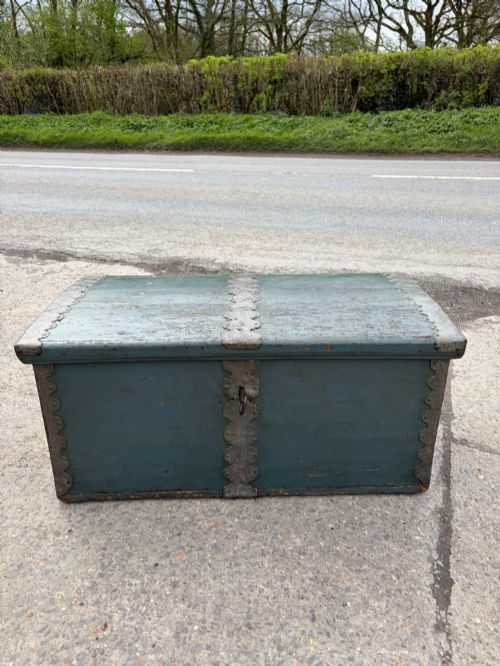

Antique Dome Box
An antique dome box gathers papers, tea, or travel gear beneath a curved lid, offering tactile presence and storage rooted in centuries of craftsmanship.
Antique Dome Box
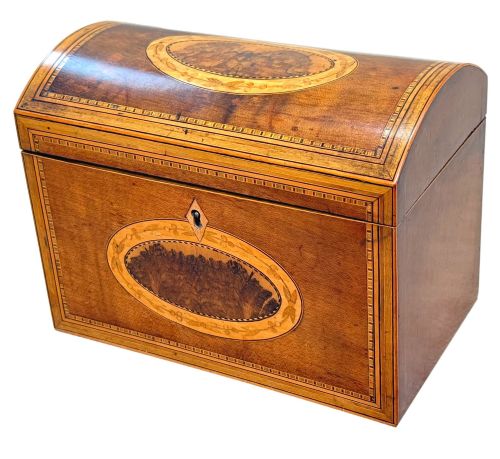
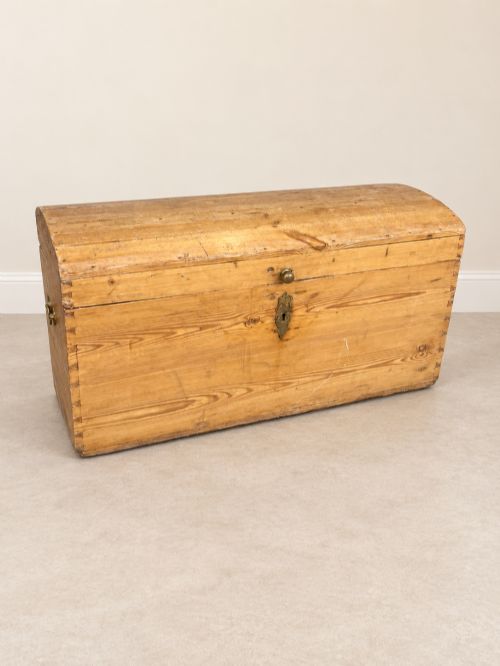
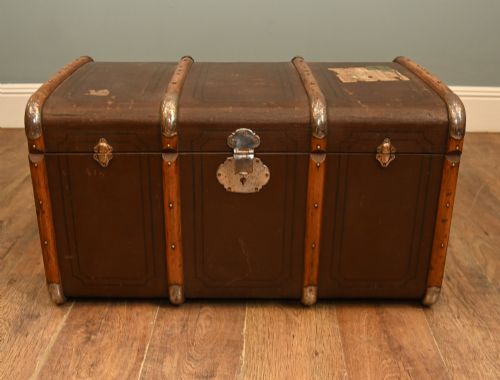
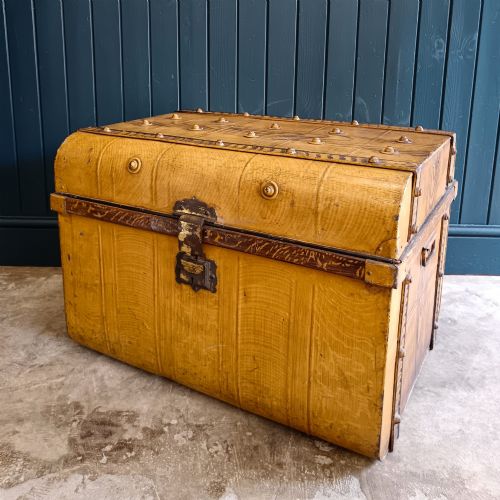
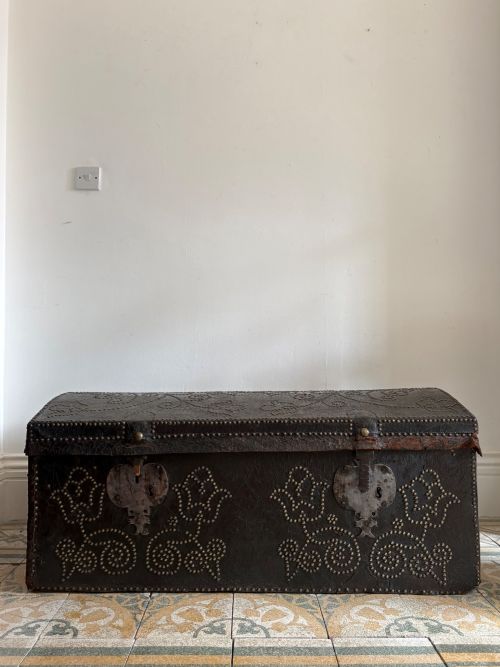
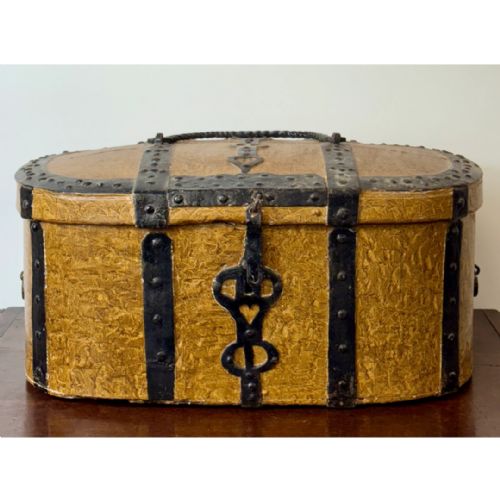
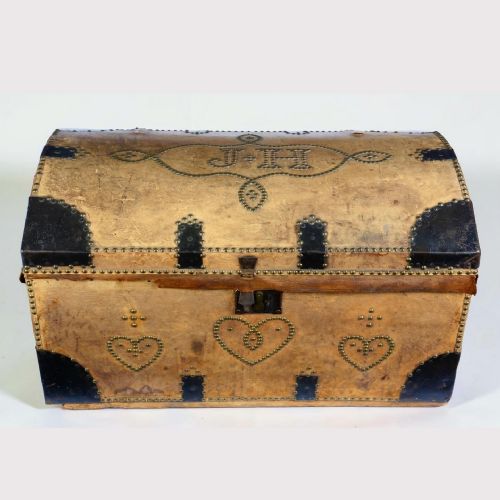
When you search for an antique dome box, you encounter containers spanning the eighteenth, nineteenth, and early twentieth centuries. These pieces range from small tea caddies and stationery boxes to large leather-covered trunks and painted Scandinavian storage chests.
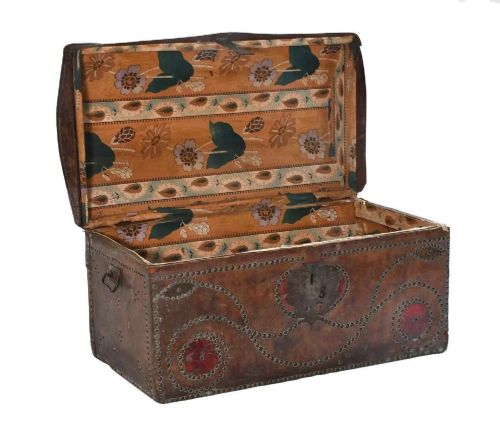
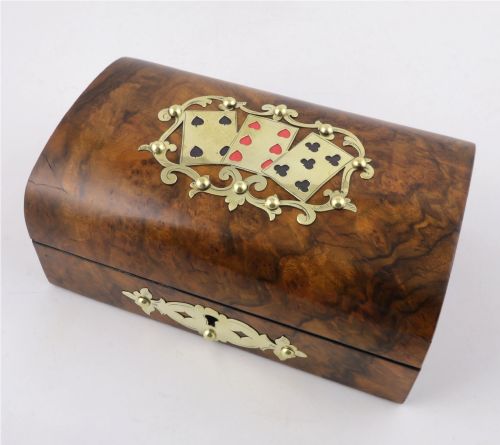
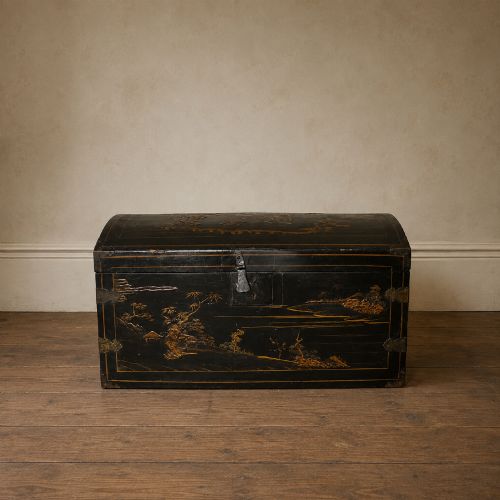
The Victorian era supplies many of the smaller fitted boxes in burr walnut and mahogany, often accented with brass banding. Meanwhile, eighteenth-century examples lean towards studded leather, Chinese export lacquer, and folk art paintwork.
Materials and construction
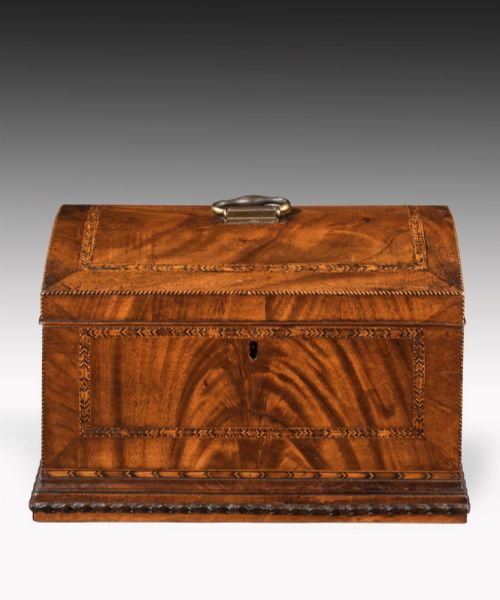
Cabinet makers built these boxes from foundational timbers like pine and oak, frequently applying veneers of burr walnut, coromandel, or mahogany. Interiors often incorporate clever partitions, velvet linings, and Tunbridge inlay.
Larger travelling pieces utilise heavy hides, iron plates, and brass studding to withstand rigorous journeys. Painted surfaces on Scandinavian marriage chests rely on traditional pigments applied directly to wood or metal substrates.
Antique Dome Box Retail Price Guide 2026
Typical asking prices for dome box among the pieces listed under this phrase on Sellingantiques today, from the lower quarter to the upper quarter. They describe what is for sale here now, not the wider market.
Listings feature structural materials including pine, iron, brass, leather, and painted metal alongside decorative woods like burr walnut and amboyna.
Evaluating distinction
Quality rests in the precision of the joinery and the selection of decorative veneers. Grain matching across a curved lid requires exceptional skill from the maker.
The integrity of original brass mounts, working locks with keys, and untouched surface patination separate standard utilitarian storage from pieces created for affluent households.
Chapple And Sons·Cunard Line
The Antique Dome Box Glossary
- Dome top
- A curved lid design that sheds moisture on travel chests and provides internal vertical clearance for stacked items.
- Tea caddy
- A specialised container intended for storing dry tea leaves, frequently featuring internal lidded compartments.
- Stationery box
- A desk accessory fitted with tiered slots and dividers designed to organise writing paper and envelopes.
- Studded leather
- A surface treatment using animal hide secured with rows of decorative metal tacks, common on Spanish and English chests.
- Tunbridge inlay
- A mosaic woodwork technique forming microscopic geometric or floral patterns using differently coloured natural timbers.
Antique Dome Box: Frequently Asked Questions
What fits inside an antique dome box?
Smaller variations suit desktop use for letters, trinkets, or playing cards. Larger trunk forms accommodate heavy garments and household linens.
Interior configurations vary by purpose, with stationery boxes holding paper and tea caddies preserving dry leaves.
How do I date an antique dome box?
Examination of construction methods, lock types, and timber choice provides a reliable timeline. Eighteenth-century pieces often display hand-forged ironwork and heavy leather, while Victorian examples favour machine-cut screws and burr walnut veneers.
Stylistic cues such as Gothic Revival motifs or painted folk art further narrow down the decade.
Were dome boxes used for travel?
Many examples served specifically on journeys. Leather-covered chests and steamer trunks protected belongings during carriage rides and ocean crossings.
Smaller lidded boxes remained stationary on desks or dressing tables to safeguard valuables.
How should I care for wooden surfaces?
Keep wooden boxes away from direct sunlight and heat sources to prevent timber shrinkage and veneer lifting. Regular dusting with a soft, dry cloth preserves the finish.
Applying microcrystalline wax occasionally protects older polished woods without building up heavy residue.