





Antique Dog Mantel Figures
Antique dog mantel figures bring domestic warmth and historic character to a hearth, uniting Victorian earthenware with bronze and spelter sculpture.
Antique Dog Mantel Figures
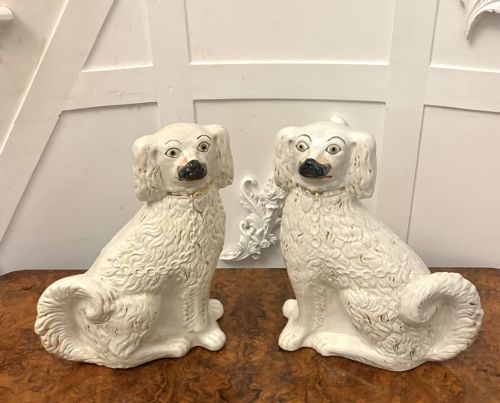
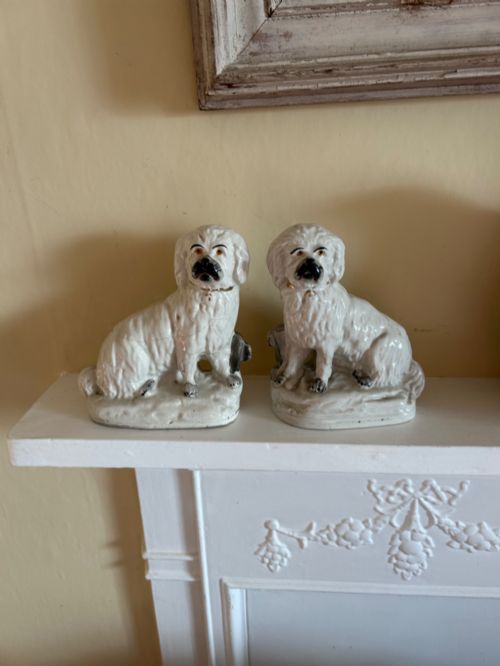
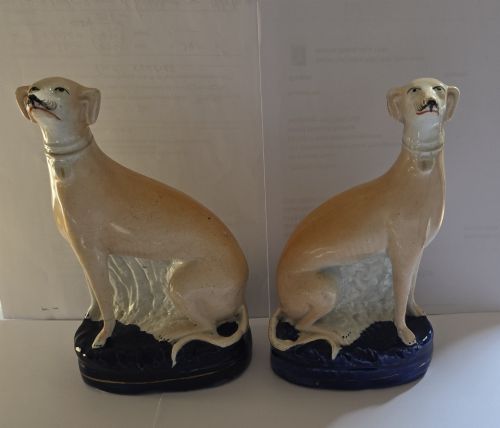
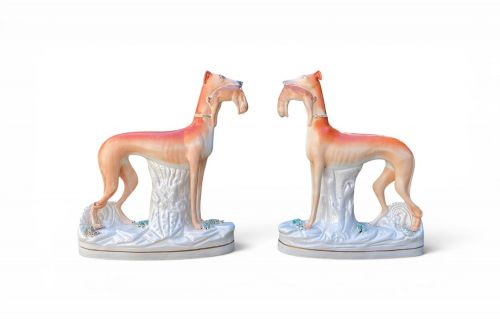
When you search for antique dog mantel figures, you encounter a diverse gathering of ceramic pairs, bronze groups, and spelter sculptures designed to sit upon a fireplace shelf. The Victorian period dominates the selections, particularly through Staffordshire pottery models of spaniels, greyhounds, whippets, and poodles produced in pairs.
Beyond earthenware pottery, the selection incorporates French animalier bronzes, Continental porcelain figures, and later Art Deco night lights featuring breeds such as Alsatians. These objects range from simple lead-glazed earthenware figures to elaborate clock groups and spill vases incorporating canine subjects.
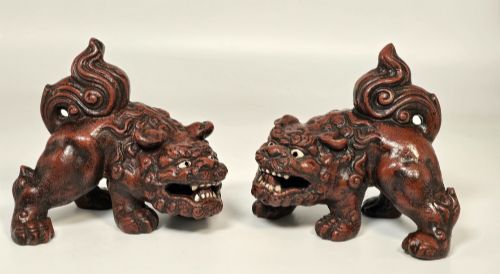
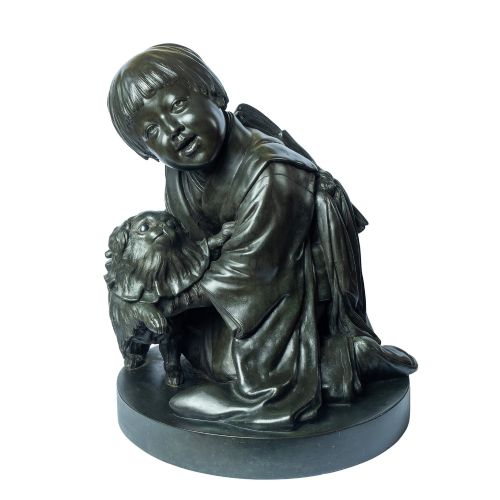
The most common representations on this page are Staffordshire pottery spaniels and greyhounds dating from the mid-nineteenth century, often finished with copper lustre or white and gilt decoration. Alongside these British ceramics, international works appear, including Japanese bronze okimono and Chinese pottery Buddhist lions.
Materials and methods of manufacture
Pottery figures rely primarily on earthenware and ceramic bodies shaped in moulds, then finished with glazes, enamel colours, and occasionally copper lustre highlights. Staffordshire potters utilised lead glazes to achieve surface shine on earthenware bodies, whilst Continental makers sometimes worked in porcelain.
Metal sculptures utilise casting techniques in bronze, spelter, and ormolu, frequently finished with cold painting to add realistic detail to hounds and sporting dogs. Marble serves as a heavy foundational base for several twentieth-century bronze and night light groupings, providing stability for mantel display.
Antique Dog Mantel Figures Retail Price Guide 2026
Typical asking prices for dog mantel figures among the pieces listed under this phrase on Sellingantiques today, from the lower quarter to the upper quarter. They describe what is for sale here now, not the wider market.
Even the sternest Victorian hearth softened its look by placing a matched pair of glazed ceramic spaniels right in the centre.
Distinctions in standard and execution
In metalwork, the quality is determined by the precision of the casting and the preservation of the original cold-painted surface or patination. Sculptures signed by recognised modellers or foundries demonstrate superior attention to anatomical proportion and surface texture in the depiction of the animals.
Thomas Parr·Royal Doulton·Beswick·P.H. Mourey·Jules Moigniez·Masaaki·Dumond
The Antique Dog Mantel Figures Glossary
- Spelter
- An alloy of zinc and lead used as a cheaper alternative to bronze for nineteenth-century mantel sculptures. It is typically given a bronze-like finish.
- Okimono
- A Japanese decorative sculpture designed for display on a shelf or mantelpiece. These figures are carved or cast in materials such as bronze.
- Spill vase
- A hollow ceramic figure incorporating a small cylindrical holder intended to store wooden spills for lighting fires or pipes. They are frequently modelled with dogs standing beside the receptacle.
- Animalier
- A nineteenth-century artistic style focusing on the realistic depiction of animals, particularly hounds and hunting subjects in bronze. French sculptors frequently worked in this manner.
- Copper lustre
- A metallic pottery glaze containing copper oxide that produces a reflective, iridescent copper sheen upon the ceramic surface. It appears frequently on Victorian earthenware dog pairs.
Antique Dog Mantel Figures: Frequently Asked Questions
What are Staffordshire comforter spaniels?
Staffordshire comforter spaniels are symmetrical pairs of ceramic dogs modelled after Queen Victoria's favourite spaniels, historically placed on mantelpieces facing inward toward each other.
Potters produced these earthenware figures in vast quantities during the nineteenth century, decorating them with white and gilt or copper lustre finishes.
How do I date an antique dog figure?
Dating relies on examining the ceramic body, glaze type, base markings, and stylistic conventions associated with periods such as the mid-Victorian era or the Art Deco movement.
Earthenware pieces from the mid-nineteenth century often show craquelure in the glaze and hand-painted details, whereas twentieth-century works display different manufacturing standards and materials like marble bases.
Where should I place these mantel figures?
These sculptures suit placement on a mantelpiece, sideboard, or bookshelf where their symmetrical design and colourful glazes can be appreciated at eye level.
Pair figures work best when arranged with adequate space around them to display both matching hounds or spaniels clearly against a wall or mirror.
What is a spill vase dog?
A spill vase dog is a hollow ceramic figurine combined with a built-in vertical tube designed to hold wooden tapers used for lighting fires or candles.
This functional form allowed nineteenth-century households to keep wooden spills close to the fireplace while displaying decorative animal subjects.