


Antique Dog Canvas
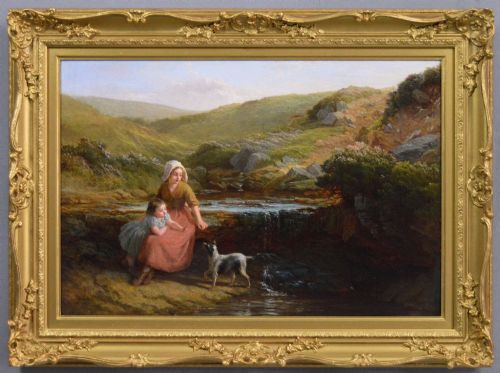
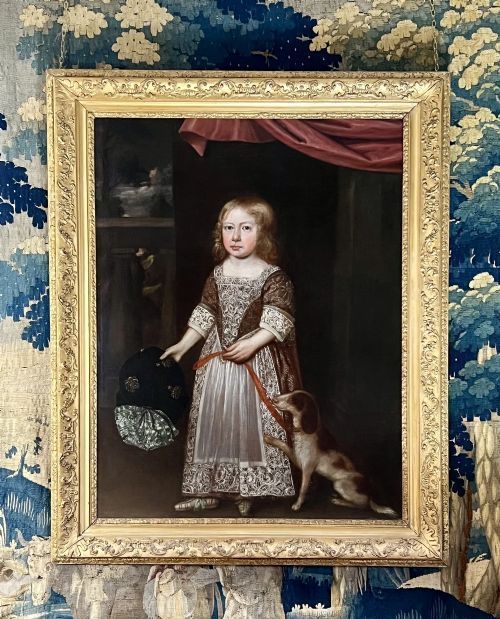
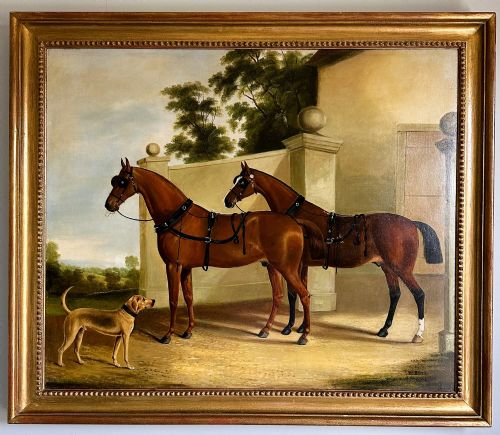
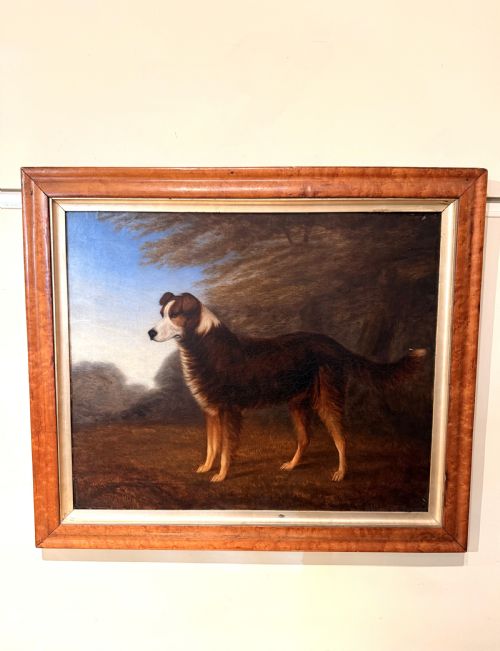
Antique dog canvas pieces bring 19th-century sporting art and domestic animal portraits directly to your walls in oil paint.
Antique Dog Canvas
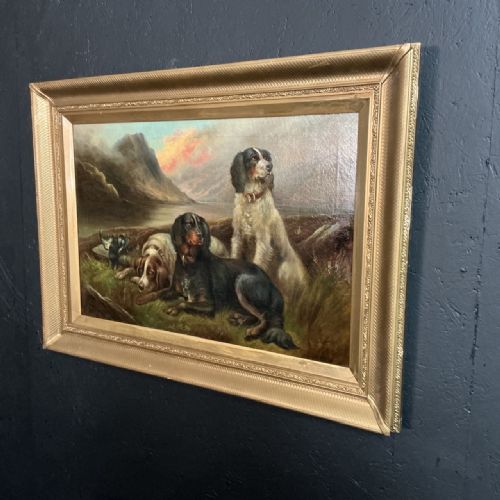
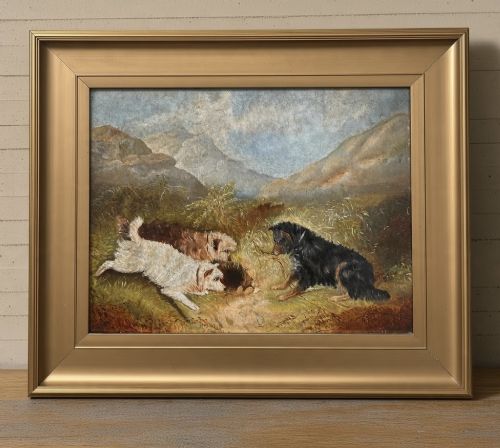
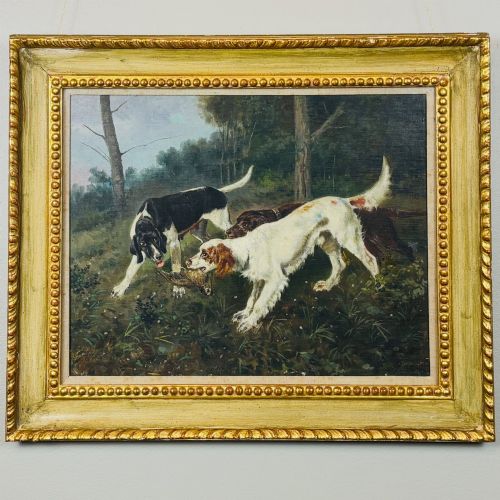
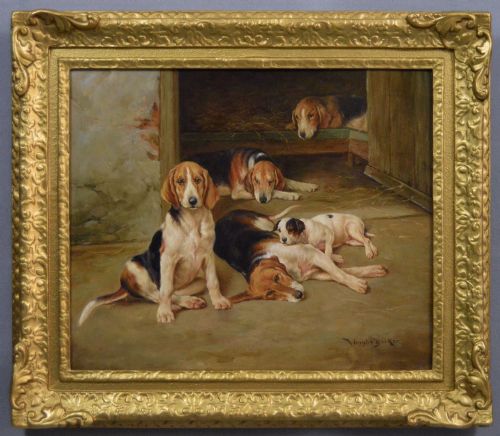
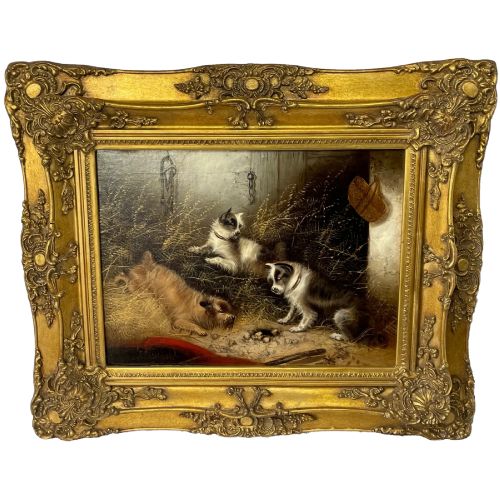
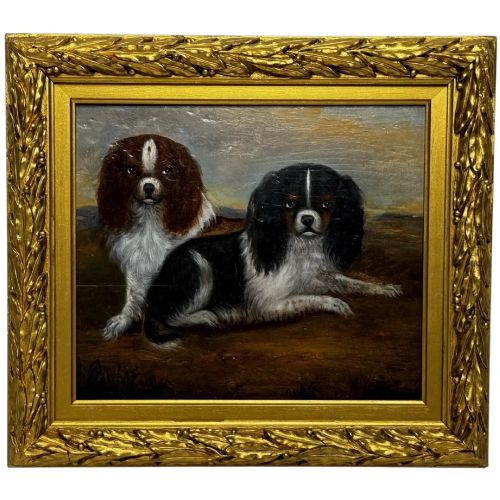
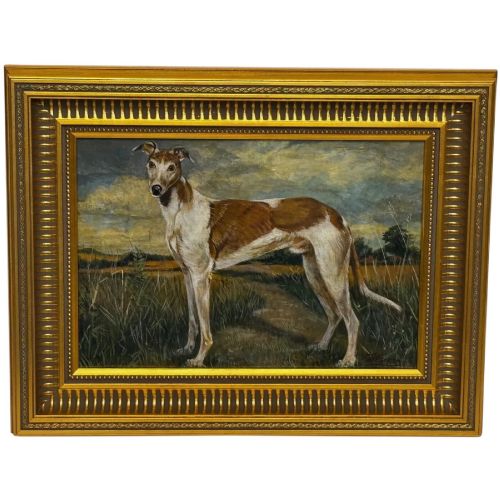
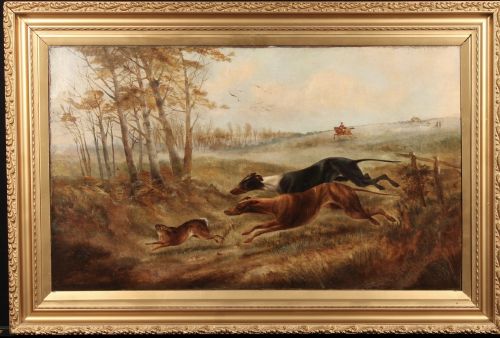
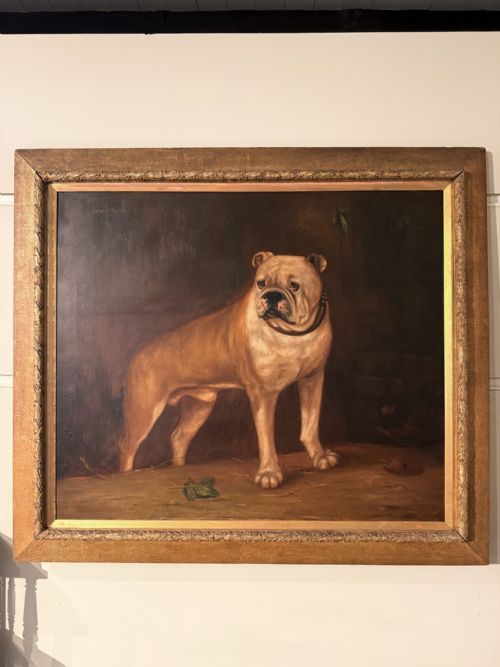
When searching for an antique dog canvas, collectors examine oil paintings on canvas stretching from the 17th century through the Victorian and Edwardian eras. These works capture spaniels, terriers, gun dogs, and hounds either alone in portrait format or active within landscapes and hunts.
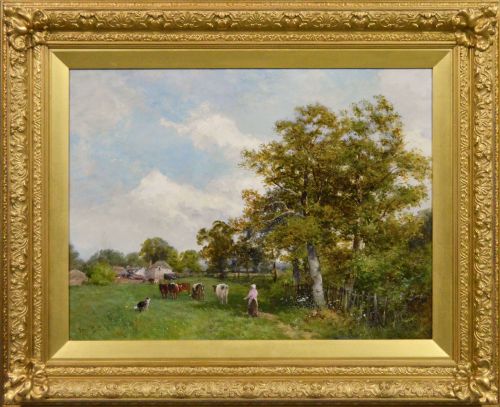
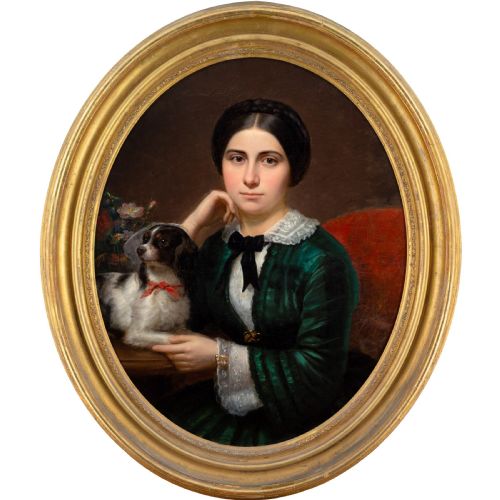
The versions most commonly met on this page date from the 19th century, reflecting Victorian sporting art and British and French school animal painting. Canvases range from naive depictions to detailed studies of specific working dogs and household favourites.
How they were made
These works rely on oil paint applied to woven canvas supports, often stretched over wooden frames that determine the piece's structural rigidity. Artists built up subjects through layers of pigment, capturing the texture of dog coats and landscape details.
Framing typically involves wood finished with gold leaf, gilt, or giltwood, providing a traditional border that complements the depth of the oil paintings.
Antique Dog Canvas Retail Price Guide 2026
Typical asking prices for dog canvas among the pieces listed under this phrase on Sellingantiques today, from the lower quarter to the upper quarter. They describe what is for sale here now, not the wider market.
Listings feature 19th-century oil paintings on canvas alongside 17th-century and Edwardian works, incorporating materials such as wood, giltwood, and gold leaf.
What varies in quality
The distinction between ordinary and superior works rests in the painter's command of anatomy, expression, and brushwork. Master painters render the muscular structure of working hounds and the soft texture of spaniel fur with convincing realism, whereas lesser hands produce stiff or simplified animal forms.
Condition of the canvas and the retention of original giltwood frames also influence the standing of a piece. Works retaining their historical frames without excessive overpaint command greater appreciation among collectors.
Edward Holmes RBA·Edward Armfield·George Armfield·Valentine T Garland·David Bates·Martin Theodore Ward·Sir Edwin Henry Landseer·C R Breytle·Claude Cardon·Frans Snyders·John Emms·Thomas Hicks·LM Webb·William Barraud·George E Sharpe·Colin Graeme Roe·John Trivett Nettleship
The Antique Dog Canvas Glossary
- Oil on Canvas
- A painting medium where pigments suspended in drying oils are applied to a woven canvas support. This technique allows for rich colour blending and textured brushwork.
- Giltwood
- Wood carved and covered with a thin layer of gold leaf or gilt. It provides ornate framing for 19th-century fine art paintings.
- Victorian Sporting Art
- A genre popular in the 19th century depicting horses, hunting scenes, and working dogs. These works record rural pursuits and valued animal companions.
- French School
- A designation for artists trained or working within the French artistic tradition. Pieces from this school often display distinct approaches to portraiture and landscape composition.
- Naive
- An artistic style characterised by a childlike perspective and simplified proportions. Naive oil paintings lack formal academic training yet offer charm and directness.
Antique Dog Canvas: Frequently Asked Questions
What subjects appear on these canvases?
Paintings show individual dog portraits, working gun dogs, terriers on the lookout, and hounds participating in hunts or landscape scenes. Domestic pets and farm animals also feature alongside their human owners.
Many works highlight specific breeds like spaniels, collies, and retrievers, reflecting the strong Victorian interest in animal companionship and sporting life.
How do I date an oil painting?
Dating relies on stylistic evidence, artist signatures, framing methods, and the physical characteristics of the canvas and stretcher. Victorian and Edwardian pieces often display distinct clothing, framing profiles, and brushwork conventions.
Consulting recorded dates for known artists provides a reliable anchor for establishing when a work was created.
Where should I hang an oil painting?
Canvas paintings require walls away from direct sunlight and excessive moisture to protect the oil paint and canvas fibres from degradation. Stable indoor environments preserve the integrity of the materials.
Pairing the giltwood frame with traditional room settings enhances the visual impact of 19th-century animal art.
How do I care for antique canvas?
Dust the surface gently with a soft, dry brush and avoid using water or chemical cleaners on the paint layer. Professional conservators should handle any structural repairs or deep cleaning.
Maintaining moderate humidity levels prevents the canvas from slackening and keeps the wooden stretcher and frame secure.