



Antique Document Holder
An antique document holder keeps your papers and letters in order with the quiet dignity of a well-run study.
Antique Document Holder
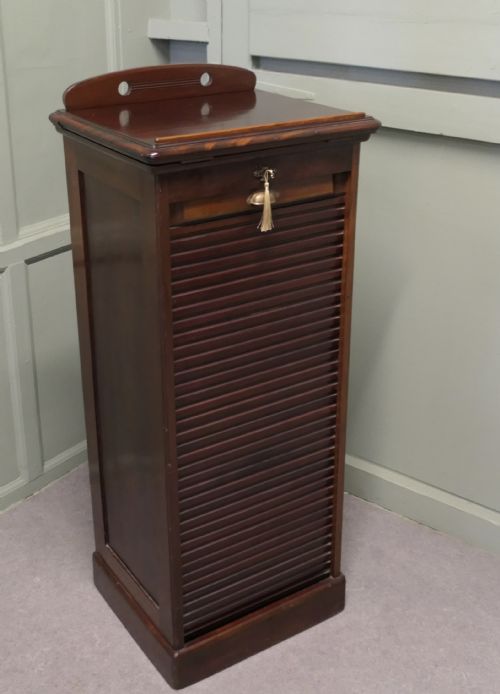
An antique document holder brings order to papers through traditional forms such as boxes, cabinets, and cases. These desk accessories and wall organisers help sort correspondence and deeds in a home office.
Many examples reflect the practical needs of past offices and homes, ranging from oak requisition boxes to leather correspondence cases. They combine functional storage with period craftsmanship.
Materials and construction
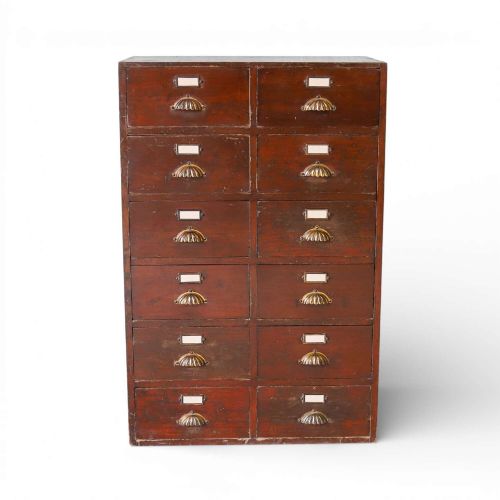
Makers utilised solid timbers like mahogany and oak to build durable boxes, chests, and filing cabinets. These woods were chosen for their strength and fine grain, often paired with brass handles and label holders.
Smaller items incorporated cast brass for sprung letter clips and steel components for structural stability. Sterling silver and tortoiseshell occasionally fronted folders and clips for more decorative purposes.
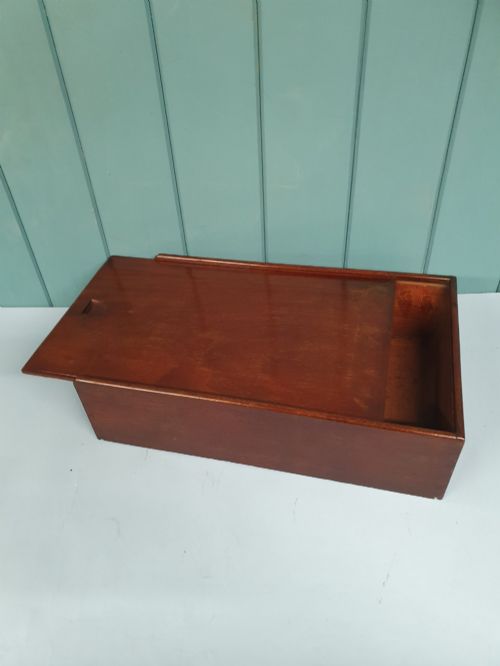
Workshops employed leather for covering correspondence cases, adding durable protection for paper contents. Details such as shell pulls and sliding lids show careful attention to mechanical function.
Antique Document Holder Retail Price Guide 2026
Typical asking prices for document holder among the pieces listed under this phrase on Sellingantiques today, from the lower quarter to the upper quarter. They describe what is for sale here now, not the wider market.
Some Victorian letter clips were cast in the shape of human hands ready to catch your morning post.
Judging quality
The distinction between standard pieces and finer examples rests upon the selection of materials and the precision of the hardware. Solid hardwood construction with well-fitted joints marks out superior work.
Detailing such as original brass shell pulls, intact label holders, and tortoiseshell facings elevates a piece beyond plain utility. The preservation of original surfaces and working mechanisms defines better examples.
W & J Milne
The Antique Document Holder Glossary
- Bank of drawers
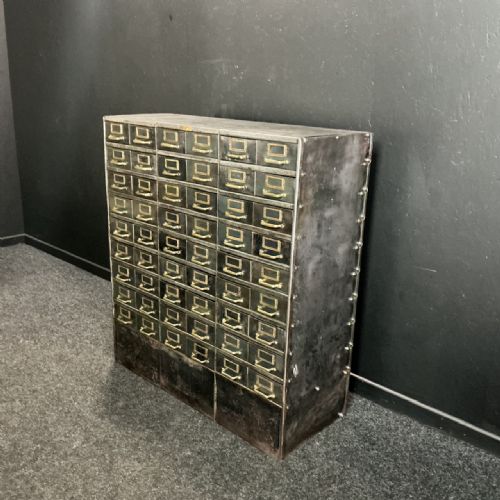
- A set of multiple small drawers stacked together for filing. These units served offices and institutions for sorting small papers.
- Correspondence case
- A portable folding case designed to hold writing paper and envelopes. They often feature fitted interior compartments for stamps and nibs.
- Requisitions box
- A lidded chest used to store official requests and orders. These timber boxes frequently hung on walls or sat on administrative desks.
- Telegram folder
- A slim case created to hold telegraph messages securely. Edwardian examples sometimes used sterling silver fronts.
- Letter clip
- A spring-loaded device for holding papers upright on a desk or wall. Cast brass models allowed quick access to daily notices.
Antique Document Holder: Frequently Asked Questions
How were document boxes used?
Document boxes kept important papers secure, private, and free from dust on office desks or in libraries. Many featured sliding lids or lockable compartments for confidential deeds and letters.
Wall-mounted versions, such as purser's requisition boxes and letter clips, held active daily paperwork within easy reach. They organised correspondence in busy maritime, commercial, and domestic settings.
How do I date an oak document holder?
Dating an oak document holder involves examining the timber, construction methods, and hardware style. Georgian and Victorian pieces often show hand-cut dovetails and heavy brass fittings, while Edwardian items lean toward lighter oak frames.
Maker marks, original brass label holders, and lock types also help narrow down the decade of production. Comparing the joinery to dated examples clarifies the timeline.
Can I use these for modern papers?
Many antique document holders and banks of drawers accommodate modern letters, notes, and stationery quite well. Shallower drawers and older compartments suit contemporary mail and slim folders.
Care should be taken with delicate linings or historical leather interiors when storing acidic modern papers. Using them for display or light daily sorting preserves their condition.