
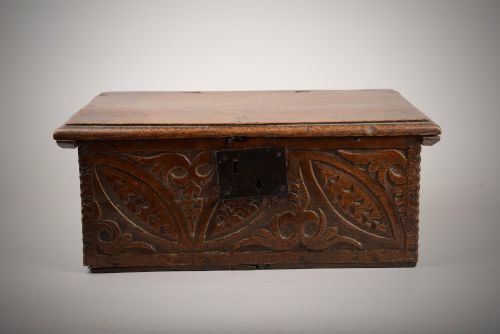


Antique Document Box Drawers
Antique document box drawers are compact containers for correspondence and papers, prized for their concealed compartments and fine timber construction.
Antique Document Box Drawers
When searching for antique document box drawers, buyers encounter a diverse selection of desktop storage pieces designed to keep letters and valuables secure. These items range from early oak bible boxes with internal drawers to late Georgian and Victorian writing slopes fitted with secret compartments.
How they were made
Cabinet makers utilised dense hardwoods such as mahogany, walnut, oak, rosewood, and satinwood, occasionally employing elm for provincial pieces. These timbers were selected for figure and durability, then fashioned into carcases housing small fitted drawers.
Many examples incorporate brass binding, corner plates, and inlaid brass stringing to protect edges and strengthen the construction. Internal mechanisms often rely on clever sliding panels to reveal secret drawers, accompanied by brass locks.
The listings span multiple centuries, ranging from seventeenth-century oak table boxes up to twentieth-century specimen chests and filing cabinets.
What varies in quality
The standard of timber selection largely dictates the tier of the piece, with richly figured burr walnut, flame mahogany, and decorative satinwood commanding greater attention than plain stock. Finely matched veneers and patinated solid surfaces show the original maker's intent.
Complexity of interior layout and the precision of concealed mechanism fitment distinguish finer examples from simpler desk tidies. Quality rests in the smoothness of the secret drawer action and the integration of hardware such as Bramah locks.
George Austin of Dublin·Amberg
The Antique Document Box Drawers Glossary
- Writing slope
- A box with a slanted hinged lid designed for correspondence, opening to reveal internal compartments and secret drawers.
- Secret drawers
- Concealed small compartments hidden behind false panels or beneath removable partitions within a desk box.
- Campaign style
- Portable furniture design featuring brass corners and flush handles, built for travel during the nineteenth century.
- Bramah lock
- A high-security patented lock mechanism commonly found on quality nineteenth-century boxes and writing slopes.
- Specimen chest
- A small cabinet or box traditionally used to house botanical, mineral, or coin collections in matched drawers.
Antique Document Box Drawers: Frequently Asked Questions
How do I find secret drawers?
Secret drawers are typically concealed behind false partitions, sliding panels, or beneath the stationery compartments inside writing slopes and desk boxes.
To release them, gentle pressure on a hidden spring catch or the removal of a specific divider is usually required.
What is a Bramah lock?
A Bramah lock is a high-security locking mechanism invented in the late eighteenth century, known for its cylindrical key and complex internal sliders.
These locks were fitted to superior quality boxes and writing slopes to protect confidential documents and valuables.
Are these boxes portable?
Many document boxes and writing slopes were built for travel, particularly those constructed in the campaign style with brass mounts and recessed carrying handles.
Desktop cabinets and specimen chests, however, were intended as stationary pieces of furniture for the home library or study.
How do I care for walnut and mahogany?
Polishing antique hardwoods with traditional beeswax preserves the grain and maintains a natural protective barrier against moisture.
Placing these boxes away from direct sunlight and radiators prevents the timber from drying out and stops veneers from lifting.