


Antique Display Vessels
These antique display vessels range from large Japanese cloisonne enamel vases to English apothecary jars, offering striking forms for interior decoration.
Antique Display Vessels
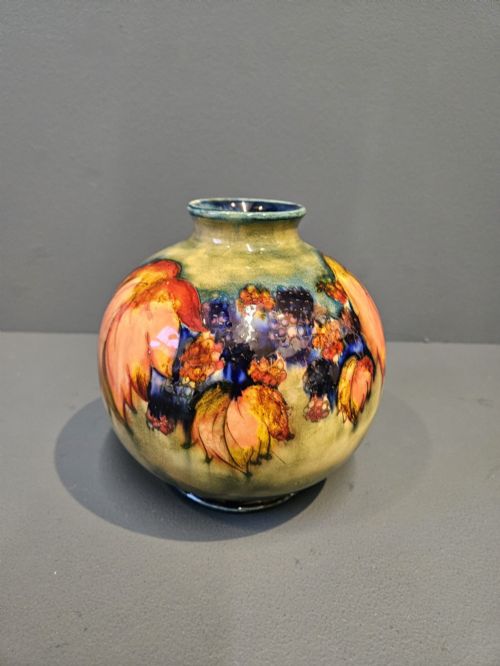
Antique display vessels encompass a diverse group of ornamental objects designed primarily for visual impact rather than utility. When searching for antique display vessels, collectors encounter items ranging from large ceramic vases and decorative bowls to maritime dioramas and apothecary jars.
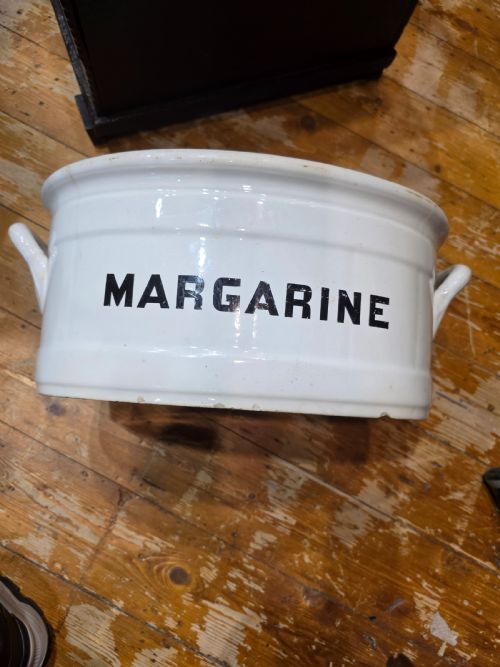
The material origins span across multiple continents and traditions, including Japanese satsuma and imari porcelains, French etched glass, and English ironstone. Victorian and Edwardian examples sit alongside pieces from the Meiji period and the Art Deco era.
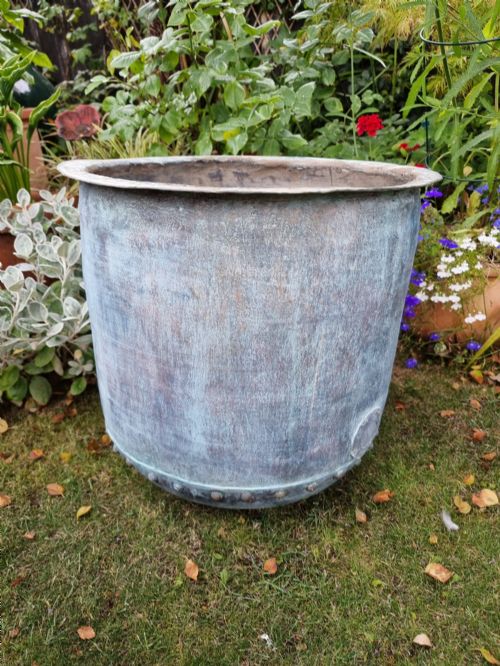
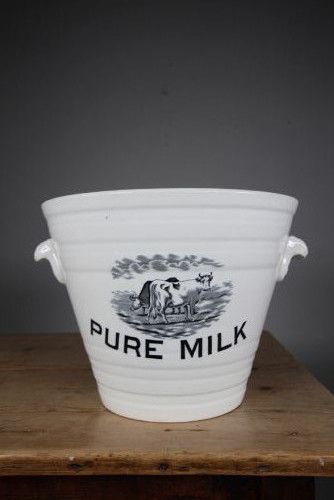
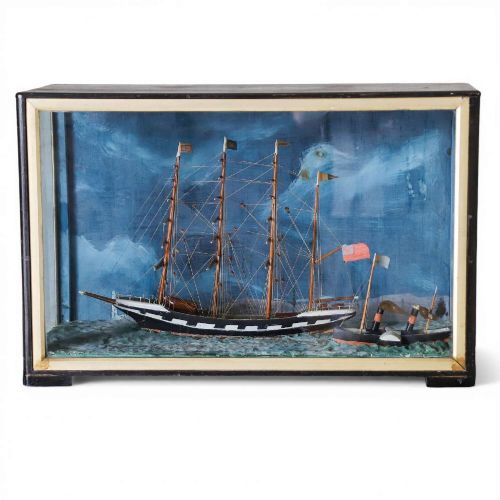
Vessels take many distinct forms, such as bronze display urns, copper garden pots, and cased sailing ship models. These pieces reflect the varied domestic and institutional display practices of the nineteenth and early twentieth centuries.
How they were made
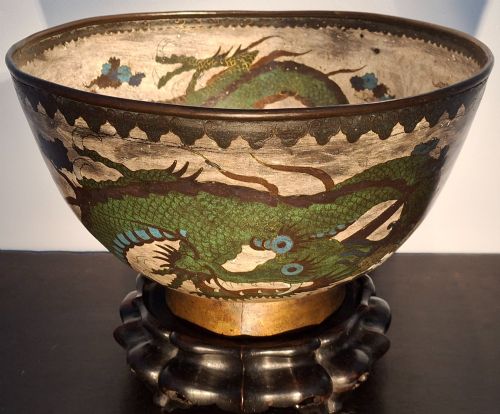
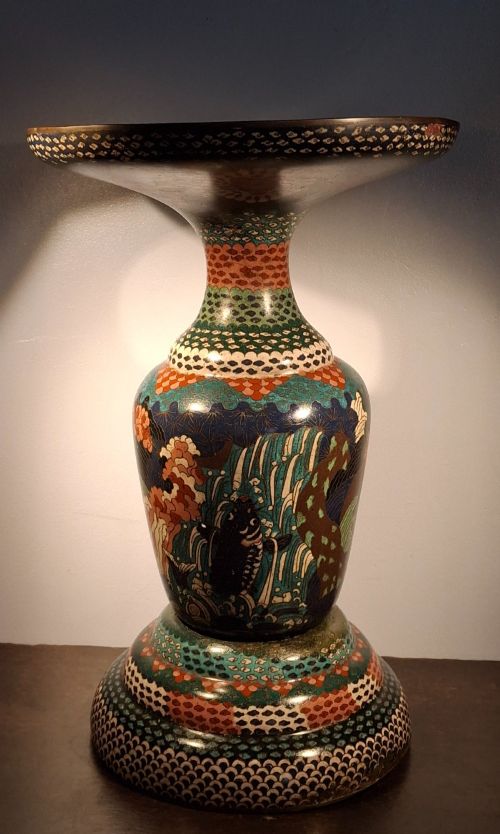
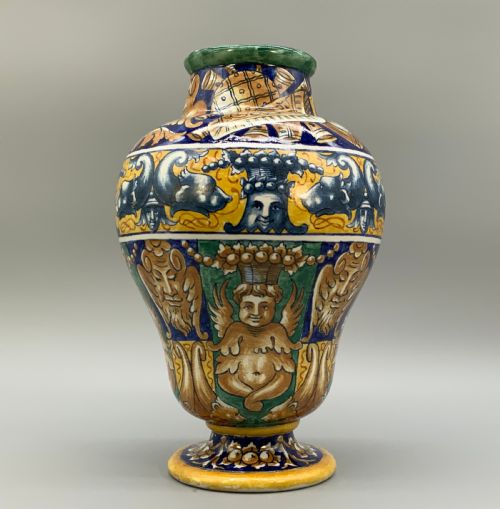
Ceramic and porcelain pieces utilise traditional throwing, moulding, and firing techniques, often enhanced with hand painting, gilding, and intricate enamel work. Cloisonne examples employ metal wires soldered to a base to create cells filled with coloured enamel pastes before firing.
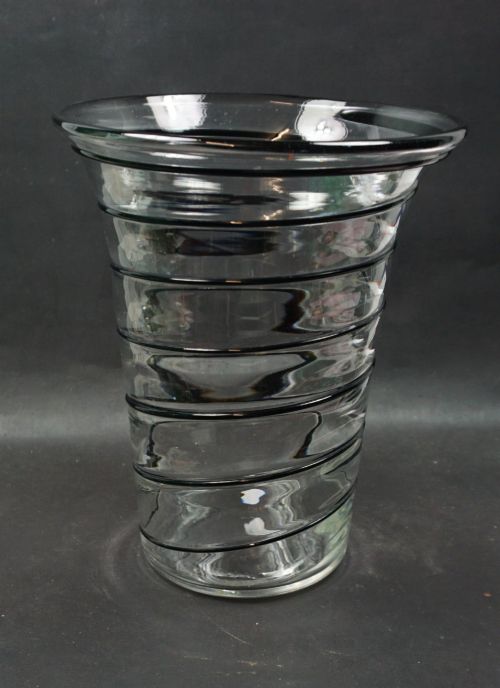
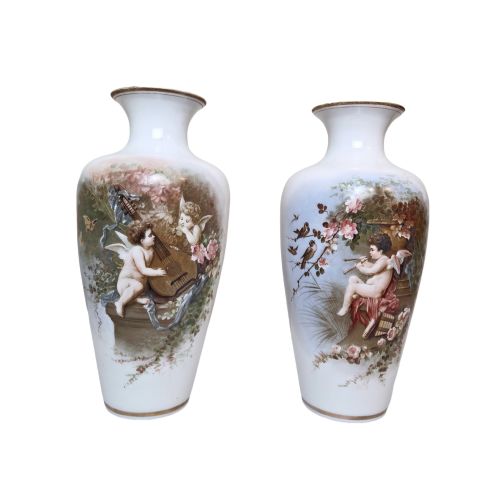
Glass vessels involve blowing, cutting, and etching methods, sometimes utilising multiple cased layers to achieve deep colour saturation and contrast. Metal objects such as bronze urns and brass pans rely on casting, hammering, and patination.
Organic materials appear in carved sycamore yacht models and framed maritime dioramas constructed from painted wood, textiles, and glass. These varied methods demonstrate the workshop practices characteristic of European and Asian decorative arts.
Antique Display Vessels Retail Price Guide 2026
Typical asking prices for display vessels among the pieces listed under this phrase on Sellingantiques today, from the lower quarter to the upper quarter. They describe what is for sale here now, not the wider market.
Materials span gold leaf, enamel, glass, porcelain, earthenware, wood, paint, and glaze.
What varies in quality
Execution of detail separates standard items from exceptional examples, particularly in hand-painted motifs, gilding density, and the precision of cloisonne wirework. Signatures from recognised makers or specific kilns often indicate superior craftsmanship within categories like Satsuma pottery.
Material weight and integrity influence the overall standing of glass, bronze, and ceramic pieces. Heavier glass bodies, crisp etchings, and well-preserved bronze patinas demonstrate higher manufacturing standards.
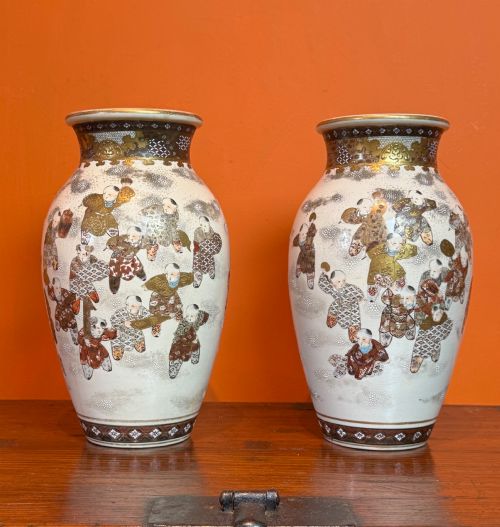
Complexity of composition alters the character of pictorial works, such as multi-figure processions on Japanese vases or detailed maritime scenes in cased dioramas. Superior pieces maintain clarity and balance across the entire decorative surface.
Nicholas Kannhauser·Reissner, Stellmacher and Kessel·Kozan·Tokyo Taizan·Kinkozan Kyoto
The Antique Display Vessels Glossary
- Cloisonne
- A decorative metalwork technique where thin wires form raised barriers on a surface, creating compartments filled with enamel. These compartments are then fired and polished to a smooth finish.
- Imari
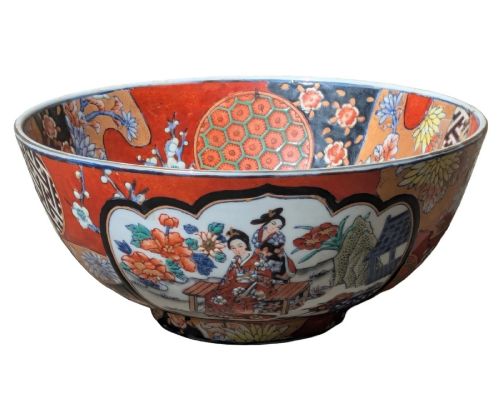
- A style of Japanese porcelain featuring a distinct palette of underglaze blue and iron red, complemented by supplementary gold, green, and black enamels. The tradition originated in the Edo period.
- Satsuma
- A type of earthenware from Japan featuring an ivory crackle-glaze and detailed overglaze polychrome enamels and gilding. Pieces often depict figural scenes, landscapes, and traditional motifs.
- Diorama
- A three-dimensional miniature scene enclosed within a glass case, frequently depicting maritime subjects such as sailing vessels and naval battles. These constructs utilise painted backgrounds and physical models.
- Apothecary jar
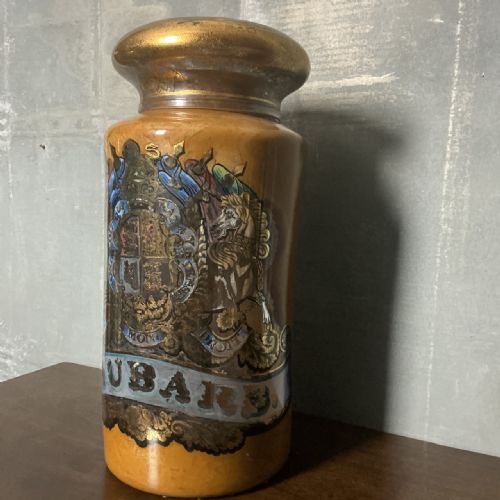
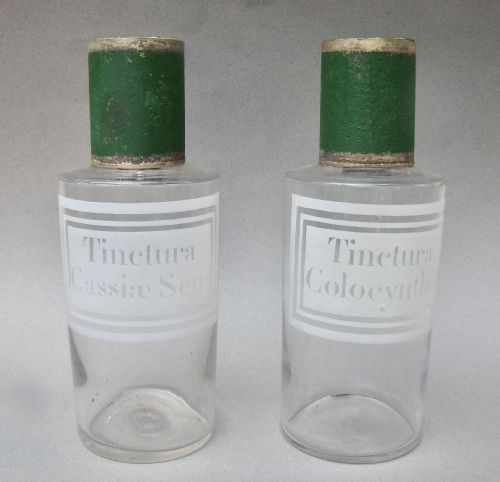
- A vessel originally utilised by chemists and pharmacists to store dry drugs, herbs, or liquids. Examples often feature hand-painted or etched labels and glass stoppers.
Antique Display Vessels: Frequently Asked Questions
What is a display vessel?
A display vessel is an ornamental object created primarily for visual decoration rather than practical storage or utility. These items include large ceramic vases, decorative bowls, and decorative urns designed to enhance interior spaces.
Such objects span various cultures and eras, functioning as focal points in domestic settings. Collectors value them for their artistic merit, materials, and historical manufacturing techniques.
How do I identify Meiji period Satsuma pottery?
Meiji period Satsuma pottery typically exhibits a characteristic ivory-coloured body covered in a fine, delicate network of glaze cracks. The decoration frequently incorporates dense polychrome enamel painting and heavy gold leaf detailing.
Many pieces feature maker signatures or kiln marks on the base, pointing to specific workshops in Kyoto or Tokyo. The subjects often include traditional figural processions, samurai battles, and complex floral motifs.
What are apothecary jars used for today?
Antique apothecary jars function primarily as decorative display pieces in modern interiors. Their large proportions, glass stoppers, and etched labels provide distinctive visual interest for collectors of medical or pharmaceutical antiques.
Originally housed in shops for storing herbs, liquids, and dry drugs, these jars now serve as sculptural objects on shelves or tables. Clear, coloured, and milk glass variants each offer different aesthetic qualities.
How should I clean antique glass vases?
Antique glass vases require gentle cleaning methods to preserve fragile surfaces, hand-painted details, and gilded elements. Lukewarm water and a mild detergent applied with a soft cloth generally suffice for removing dust.
Harsh chemical cleaners, abrasive scrubbers, and immersion in water must be avoided, particularly for items with external enamel work or metal mounts. Careful handling protects the structural integrity of these delicate pieces.