







Antique Display Piece
An antique display piece serves to showcase treasured items, bringing period craftsmanship into modern rooms through glazed cabinets, miniature models, and decorative objects.
Antique Display Piece
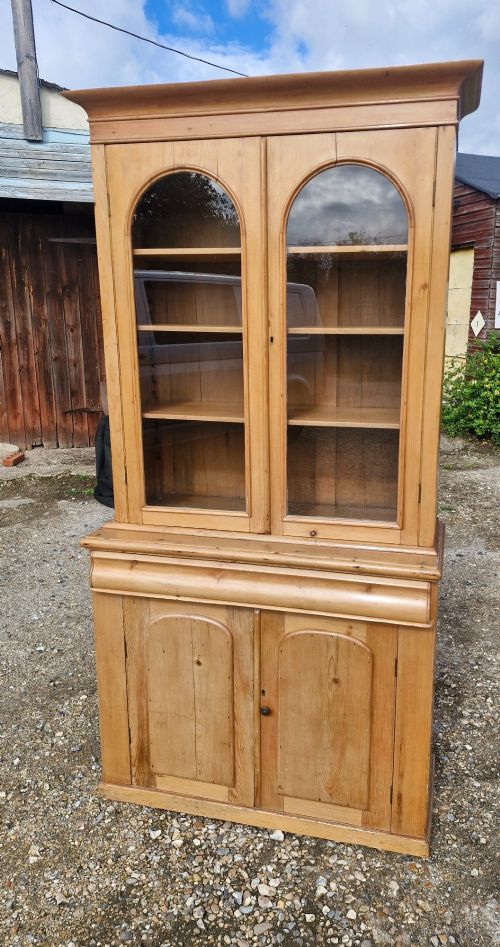
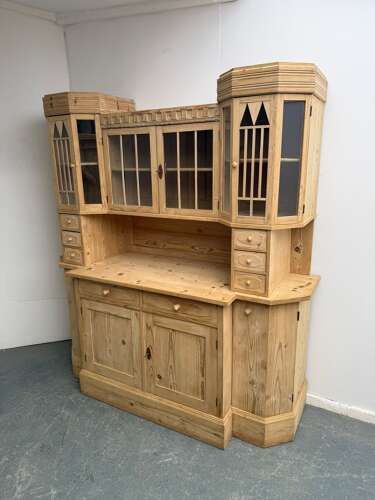
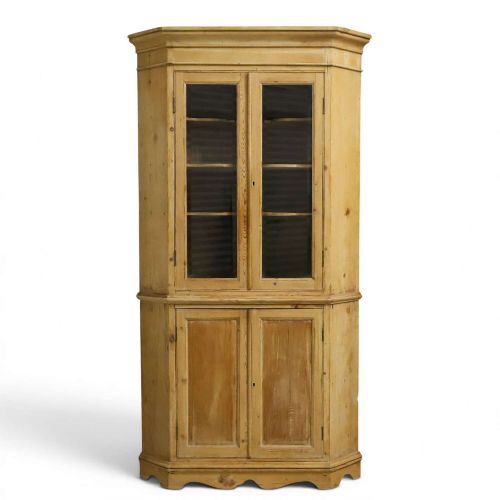
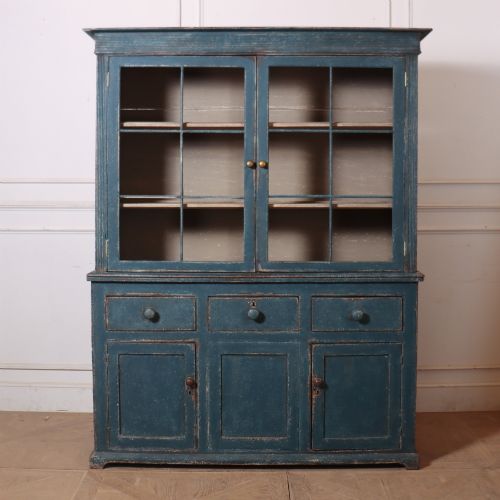
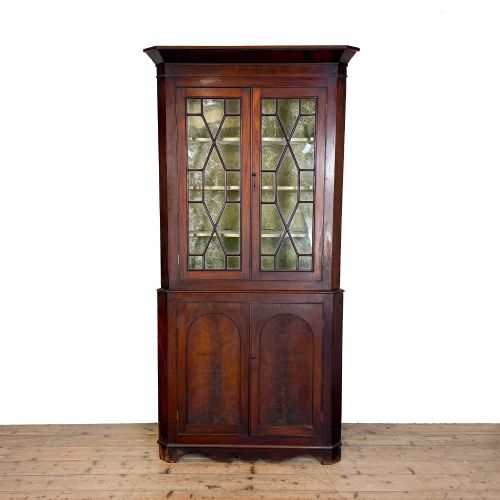
When you examine an antique display piece, you encounter a wide variety of furniture and decorative items designed to exhibit collections or personal belongings. The selection spans structural cabinetry like glazed bookcases and corner cabinets, alongside smaller tabletop novelties, models, and ceramic services.
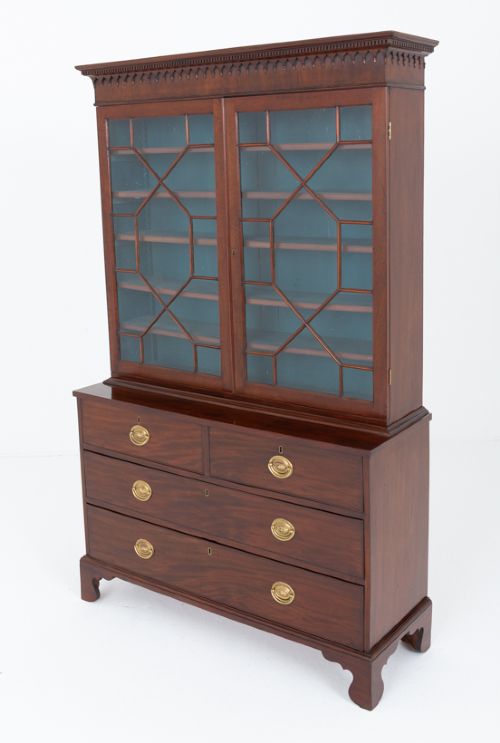
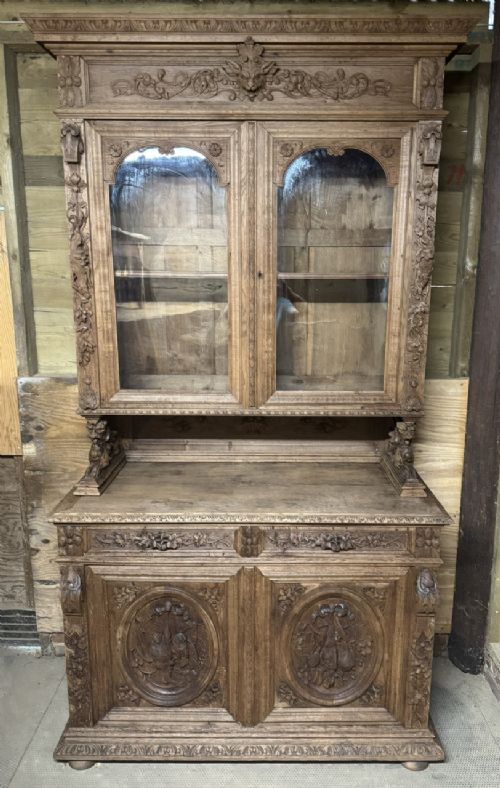
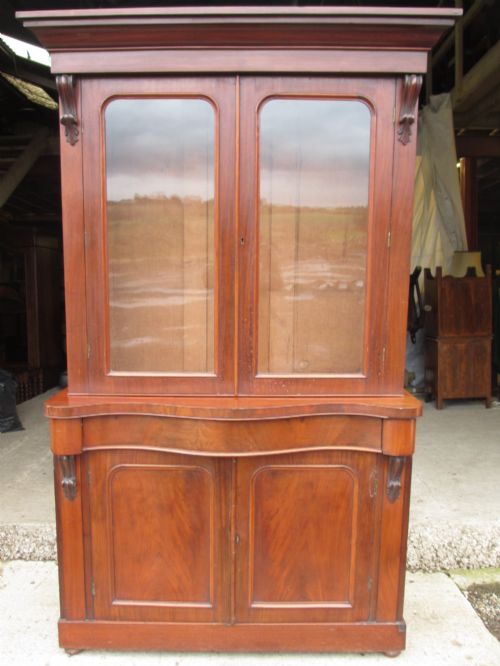
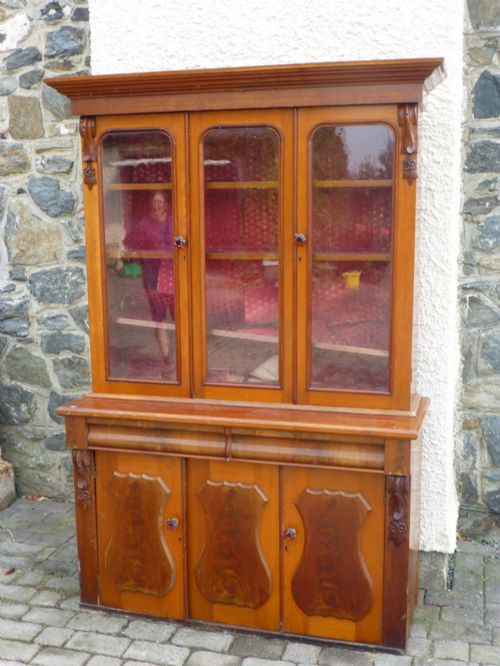
The most common examples on this page are larger storage forms from the Georgian, Victorian, and Edwardian eras, particularly mahogany and oak bookcases or kitchen dressers with glass doors. Alongside these full-sized pieces sit smaller exhibition models, miniature furniture, and tabletop display items made for domestic or retail use.
Materials and technique
Cabinet makers utilised dense hardwoods such as mahogany, oak, walnut, and rosewood, often pairing them with pine internals and incorporating delicate satinwood or marquetry inlays. Glazing bars were painstakingly joined to hold multiple panes of glass safely within door frames.
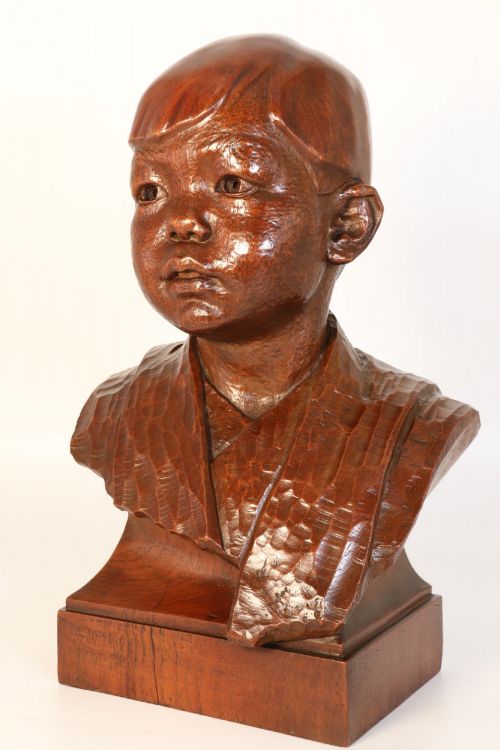
Smaller decorative objects and models reveal specialist fabrication methods, combining turned brass, cast iron, carved sycamore, bone, and hand-painted ceramics with gold leaf highlights. Joinery techniques range from traditional dovetailing in cabinet drawers to detailed hand-carving on sculptural busts and miniature furniture.
Antique Display Piece Retail Price Guide 2026
Typical asking prices for display piece among the pieces listed under this phrase on Sellingantiques today, from the lower quarter to the upper quarter. They describe what is for sale here now, not the wider market.
Listings feature woods like mahogany, oak, pine, and walnut, spanning the 18th, 19th, and early 20th centuries.
What varies in quality
The distinction between ordinary and exceptional examples rests in the crispness of the timber carving, the proportion of the proportions, and the integrity of the original glass. Superior glazed cabinets display harmonious wood grain selection and refined dental cornices or inlaid details.
In smaller display objects and models, quality is defined by the precision of the miniature scale work, the preservation of original hand-painted finishes, and the inclusion of documented maker marks or exhibition provenance.
George Henry Paulin RBS·Crisford & Norris·Le Roy et Fils·Gritzner & Co·Wilson
The Antique Display Piece Glossary
- Glazed bookcase
- A piece of furniture fitted with glass doors specifically designed to protect books while keeping them visible.
- Marquetry
- The art of applying pieces of veneer to a structure to form decorative patterns, frequently seen on Edwardian cabinet work.
- Dentil cornice
- A moulding pattern punctuated by small rectangular blocks resembling teeth, commonly found along the upper edge of Georgian and Victorian bookcases.
- Corner cabinet
- A specialised storage piece built to fit snugly into the angle of a room, saving floor space while offering display shelves.
- Dessert service
- A matching set of plates and comports used for serving fruit or sweets after dinner, often richly decorated with hand-painted scenes and gilt borders.
Antique Display Piece: Frequently Asked Questions
What counts as an antique display piece?
An antique display piece encompasses any historical cabinet, vitrine, miniature model, or decorative object created to hold and exhibit items.
These objects range from large Georgian and Victorian glazed bookcases down to small tabletop jewellery shop cases and intricate model ships.
How do I date a wooden display cabinet?
Dating relies on observing timber choices, construction methods, hardware styles, and overall decorative motifs across different periods.
For instance, solid mahogany and heavy architectural cornices typically point toward Georgian or Victorian workshops, whereas lighter inlaid satinwood suggests the Edwardian era.
Were glazed bookcases used only for books?
While originally built to protect valuable libraries from dust and handling, many such cabinets served equally well for displaying ceramics and curiosities.
The inclusion of glass doors allowed owners to keep prized collections visible yet secure within domestic living spaces.
How should I clean a polished wood cabinet?
Maintenance requires gentle dusting with a soft, dry cloth to protect the historic polish and underlying timber grain.
Harsh chemical sprays or modern polishes should be avoided to preserve the authentic patina built up over centuries of use.