



Antique Display Dummy
An antique display dummy brings the tangible history of past commerce straight into a room.
Antique Display Dummy
An antique display dummy serves as a primary object of interest for collectors seeking shop display models, mannequins, and advertising pieces. These items originate from periods such as the Victorian era, the 19th Century, 1900, 1910, 1920, and 1930.
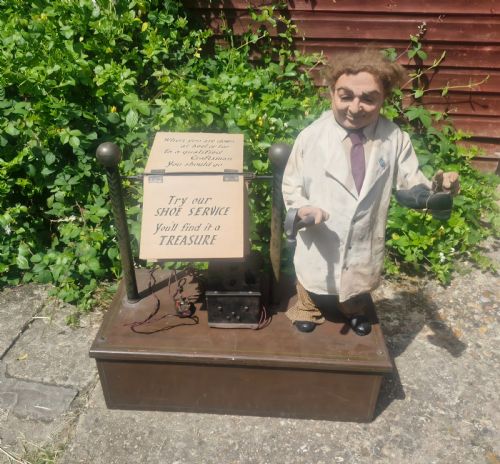
The available forms span diverse commercial applications, including shop display models, mannequins, display stands, advertising display, dress forms, dummy boards, and hat stands. Examples range from lingerie advertising mannequins to baker's shop display models of loaves of bread and giant advertising sparkling wine bottles.
Buyers encounter distinct regional styles such as Art Deco, Victorian, Vintage Advertising, Mid-Century Commercial, Early 20th Century French, Early 20th Century Folk Art, and French Vintage. These aesthetic categories reflect the evolving visual language of shop windows across different decades.
How they were made
The construction of these pieces relies upon materials recorded in the evidence, specifically wood, paint, plaster, fabric, metal, cast iron, leather, and brass. Certain pieces incorporate terracotta alongside these standard materials.
Makers utilised rigid structures of metal, cast iron, and wood to form the core skeletons and stands, while plaster and terracotta provided sculptural form for busts and figures. Fabric and leather often covered bodies or sections to present garments realistically.
Antique Display Dummy Retail Price Guide 2026
Typical asking prices for display dummy among the pieces listed under this phrase on Sellingantiques today, from the lower quarter to the upper quarter. They describe what is for sale here now, not the wider market.
A giant advertising sparkling wine bottle stands ready to pour endless imaginary celebration into the room.
What varies in quality
The standard of modeling and surface finish distinguishes simpler utility pieces from finer sculptural examples, particularly in items featuring painted terracotta or plaster. Details in facial expressions, lettering on advertising items, and the execution of cloth or leather coverings indicate the level of craftsmanship.
Materials and structural complexity create noticeable distinctions across the range, from adjustable iron mechanisms in display stands to automated elements in specialised shop models. The preservation of original paint and authentic fabric surfaces heavily influences the integrity of each piece.
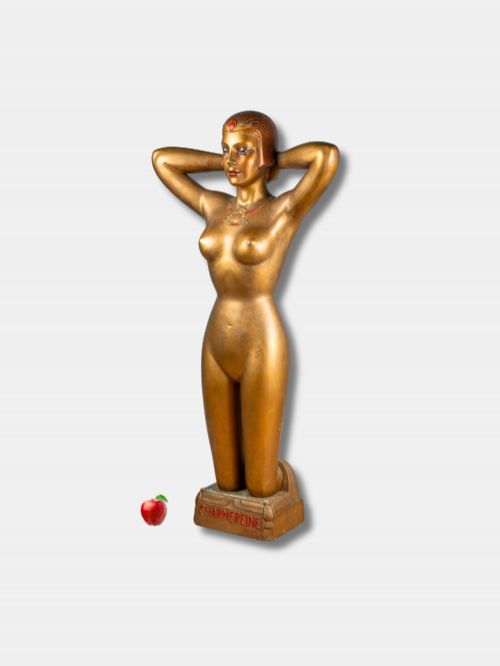
Charmereine
The Antique Display Dummy Glossary
- Dummy board
- A flat, painted silhouette figure of wood or metal designed to deceive the eye and mimic a real person or object in a room. These pieces often served as early forms of interior decoration or shop display.
- Mannequin
- A bust or full figure utilised for displaying garments, hats, or accessories in retail spaces. Historical examples employ plaster, terracotta, or cloth over rigid frames.
- Display stand
- An upright structure of wood, metal, or brass intended to hold merchandise or advertising material securely. Adjustable variants allowed merchants to alter heights for different window displays.
- Advertising display
- A three-dimensional commercial object created to promote specific goods such as wine or bread. These items capture the promotional strategies of early 20th-century commerce.
Antique Display Dummy: Frequently Asked Questions
How were display models used in shops?
Merchants placed these figures in windows and on counters to attract customers by displaying products in a lifelike context. Specialised models ranged from lingerie mannequins to oversized advertising bottles and bakers' props.
Adjustable stands and automated mechanical models allowed shopkeepers to dynamically present their latest goods and seasonal stock.
How do I date a display mannequin?
Dating relies on stylistic markers such as Art Deco geometry from the 1920s and 1930s, or ornate Victorian ironwork from the 19th century. Materials like terracotta, early painted surfaces, and specific construction techniques also point to distinct decades.
Examining the underlying manufacturing methods helps connect a piece to its specific period of origin.
Where should I place one at home?
These pieces suit living spaces, studies, or hallways where their sculptural form and commercial history can be appreciated up close. Hat stands and busts function well on side tables or shelves.
Larger mannequins and advertising models stand independently as focal points in a room, integrating industrial and folk art aesthetics.